SHAWORDS

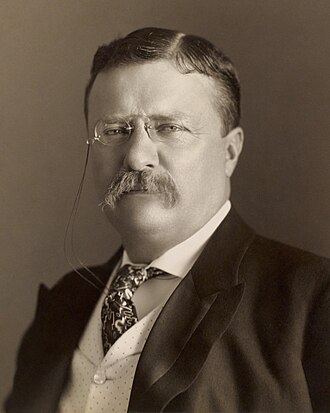
Especially is this true where the lynching is accompanied with torture — Theodore Roosevelt

"Especially is this true where the lynching is accompanied with torture. There are certain hideous sights which when once seen can never be wholly erased from the mental retina. The mere fact of having seen them implies degradation. This is a thousandfold stronger when, instead of merely seeing the deed, the man has participated in it. Whoever in any part of our country has ever taken part in lawlessly putting to death a criminal by the dreadful torture of fire must forever have the awful spectacle of his own handiwork seared into his brain and soul. He can never again be the same man."
Especially is this true where the lynching is accompanied with torture. There are certain hideous sights which when once
Theodore Roosevelt
Theodore Roosevelt
Theodore Roosevelt
author353 quotes

Theodore Roosevelt Jr. was the 26th president of the United States, serving from 1901 to 1909. Previously serving six months as vice president under William McKinley, Roosevelt became president after McKinley's assassination in 1901. He was 42 years old upon his first inauguration, making him the youngest person to hold the office.

About Theodore Roosevelt

Theodore Roosevelt Jr. was the 26th president of the United States, serving from 1901 to 1909. Previously serving six months as vice president under William McKinley, Roosevelt became president after McKinley's assassination in 1901. He was 42 years old upon his first inauguration, making him the youngest person to hold the office.

View all quotes by Theodore Roosevelt

More by Theodore Roosevelt

View all →
Quote
"Justice Bowling in his speech has described the excellent fourth degree of your order, of how in it you dwell upon duties rather than rights, upon the great duties of patriotism and of national spirit. It is a fine thing to have a society that holds up such a standard of duty. I ask you to make a special effort to deal with Americanization, the fusing into one nation, a nation necessarily different from all other nations, of all who come to our shores. Pay heed to the three principal essentials: (i) the need of a common language, with a minimum amount of illiteracy; (2) the need of a common civil standard, similar ideals, beliefs, and customs symbolized by the oath of allegiance to America; and (3) the need of a high standard of living, of reasonable equality of opportunity and of social and industrial justice. In every great crisis in our history, in the Revolution and in the Civil War, and in the lesser crises, like the Spanish war, all factions and races have been forgotten in the common spirit of Americanism. Protestant and Catholic, men of English or of French, of Irish or of German, descent have joined with a single-minded purpose to secure for the country what only can be achieved by the resultant union of all patriotic citizens. You of this organization have done a great service by your insistence that citizens should pay heed first of all to their duties. Hitherto undue prominence has been given to the question of rights. Your organization is a splendid engine for giving to the stranger within our gates a high conception of American citizenship. Strive for unity. We suffer at present from a lack of leadership in these matters."
Theodore RooseveltTheodore Roosevelt

More on Nature

View all →
Quote
"Are people naturally destructive, immoral, predatory and self-seeking, only to be kept in order by harsh laws and fiercely deterrent mandatory sentences? Or are men and women naturally orderly, merciful, humane and bred with a need for justice and mutual aid? Of course these qualities, or defects, are not evenly distributed, and undoubtedly there is much of each in all of us, but when it comes to the law some sort of distinction can be drawn. Are you a Shylock or a Bassanio? Shylock pinned his faith on the words in the contract, the nature of his bond and the duty of the state to uphold the letter of the law regardless of human suffering. Bassanio put another point of view. More important than the sanctity of the law was the plight of the individual parties in the particular case."
J
John Mortimer