Quote
"Live through deeds of love, and let others live understanding their unique intentions: this is the fundamental principle of free human beings."
 Rudolf Steiner
"Goethes thinking was mobile. It followed the whole growth process of the plant and followed how one plant form is a modification of the other. Goethes thinking was not rigid with inflexible contours; it was a thinking in which the concepts continually metamorphose. Thereby his concepts became, if I may put it this way, intimately adapted to the process that plant nature itself goes through."
Rudolf Joseph Lorenz Steiner was an Austrian New Age guru, philosopher, occultist, social reformer, architect, esotericist, and claimed clairvoyant. Steiner gained initial recognition at the end of the nineteenth century as a literary critic and published works including The Philosophy of Freedom. At the beginning of the twentieth century he founded an esoteric spiritual movement, anthroposophy, w
Rudolf Joseph Lorenz Steiner was an Austrian New Age guru, philosopher, occultist, social reformer, architect, esotericist, and claimed clairvoyant. Steiner gained initial recognition at the end of the nineteenth century as a literary critic and published works including The Philosophy of Freedom. At the beginning of the twentieth century he founded an esoteric spiritual movement, anthroposophy, w
View all quotes by Rudolf Steiner"Live through deeds of love, and let others live understanding their unique intentions: this is the fundamental principle of free human beings."
Rudolf Steiner"To truly know the world, look deeply within your own being; to truly know yourself, take real interest in the world."
Rudolf Steiner"The fundamental maxim of free men is to live in love towards our actions, and to let live in the understanding of the other persons will."
Rudolf Steiner"Truth is a free creation of the human spirit, that never would exist at all if we did not generate it ourselves. The task of understanding is not to replicate in conceptual form something that already exists, but rather to create a wholly new realm, that together with the world given to our senses constitutes the fullness of reality."
Rudolf Steiner"Ethical individualism... is spiritualized theory of evolution carried over into moral life."
Rudolf Steiner"Anthroposophy is a path of knowledge, to guide the spiritual in the human being to the spiritual in the universe... Anthroposophists are those who experience, as an essential need of life, certain questions on the nature of the human being and the universe, just as one experiences hunger and thirst."
Rudolf Steiner"[explaining to Ernie how April apologized to him] She just showed up at the factory, took off her coat, and begged me to take her. We made love in a way that Ive only ever seen in nature films."
 MouseHunt (film)
"All men suppose what is called Wisdom to deal with the first causes and the principles of things; so that, as has been said before, the man of experience is thought to be wiser than the possessors of any sense-perception whatever, the artist wiser than the men of experience, the masterworker than the mechanic, and the theoretical kinds of knowledge to be more of the nature of Wisdom than the productive."
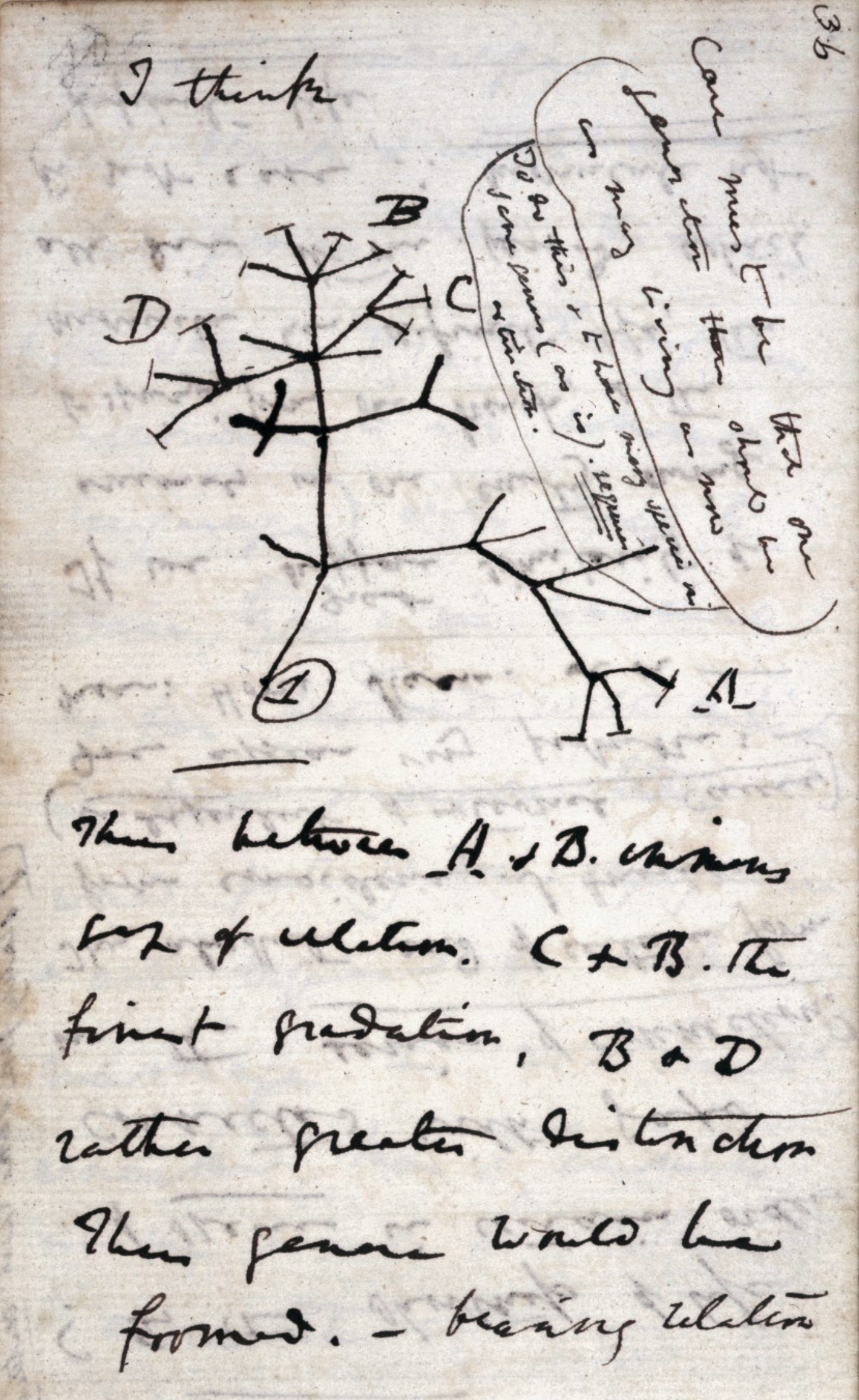 Theory
"The yarns of seamen have a direct simplicity, the whole meaning of which lies within the shell of a cracked nut. But Marlow was not typical (if his propensity to spin yarns be excepted), and to him the meaning of an episode was not inside like a kernel but outside, enveloping the tale which brought it out only as a glow brings out a haze, in the likeness of one of these misty halos that sometimes are made visible by the spectral illumination of moonshine."
"Going up that river was like traveling back to the earliest beginnings of the world, when vegetation rioted on the earth and the big trees were kings. An empty stream, a great silence, an impenetrable forest. The air was warm, thick, heavy, sluggish. There was no joy in the brilliance of sunshine. The long stretches of the waterway ran on, deserted, into the gloom of overshadowed distances."
"The intimate rapport with nature is one of the most precious things in life. Nature is indeed very close to us; sometimes closer than hands and feet, of which in truth she is but the extension. The emotional appeal of nature is tremendous, sometimes almost more than one can bear."
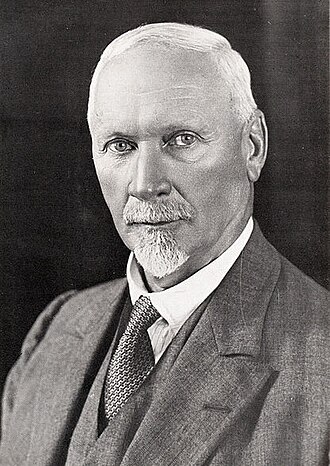 Jan Smuts
"Are people naturally destructive, immoral, predatory and self-seeking, only to be kept in order by harsh laws and fiercely deterrent mandatory sentences? Or are men and women naturally orderly, merciful, humane and bred with a need for justice and mutual aid? Of course these qualities, or defects, are not evenly distributed, and undoubtedly there is much of each in all of us, but when it comes to the law some sort of distinction can be drawn. Are you a Shylock or a Bassanio? Shylock pinned his faith on the words in the contract, the nature of his bond and the duty of the state to uphold the letter of the law regardless of human suffering. Bassanio put another point of view. More important than the sanctity of the law was the plight of the individual parties in the particular case."