Quote
"After the first death, there is no other."
D
Dylan Thomas"Light breaks where no sun shines; Where no sea runs, the waters of the heart Push in their tides; And, broken ghosts with glow-worms in their heads, The things of light File through the flesh where no flesh decks the bones."
Dylan Marlais Thomas was a Welsh poet and writer, whose works include the poems "Do not go gentle into that good night" and "And death shall have no dominion", as well as the "play for voices" Under Milk Wood. He also wrote stories and radio broadcasts such as A Child's Christmas in Wales and Portrait of the Artist as a Young Dog. He became widely popular in his lifetime, and remained so after his
"After the first death, there is no other."
"In the sun that is young once only, Time let me play and be Golden in the mercy of his means."
"And the sabbath rang slowly In the pebbles of the holy streams."
"Swansea is the graveyard of ambition"
"Not only is pot way cooler than alcohol, it’s also non-toxic. Dylan Thomas could not have smoked himself to death."
"The force that through the green fuse drives the flower Drives my green age; that blasts the roots of trees Is my destroyer. And I am dumb to tell the crooked rose My youth is bent by the same wintry fever."
"[explaining to Ernie how April apologized to him] She just showed up at the factory, took off her coat, and begged me to take her. We made love in a way that Ive only ever seen in nature films."
 MouseHunt (film)
"All men suppose what is called Wisdom to deal with the first causes and the principles of things; so that, as has been said before, the man of experience is thought to be wiser than the possessors of any sense-perception whatever, the artist wiser than the men of experience, the masterworker than the mechanic, and the theoretical kinds of knowledge to be more of the nature of Wisdom than the productive."
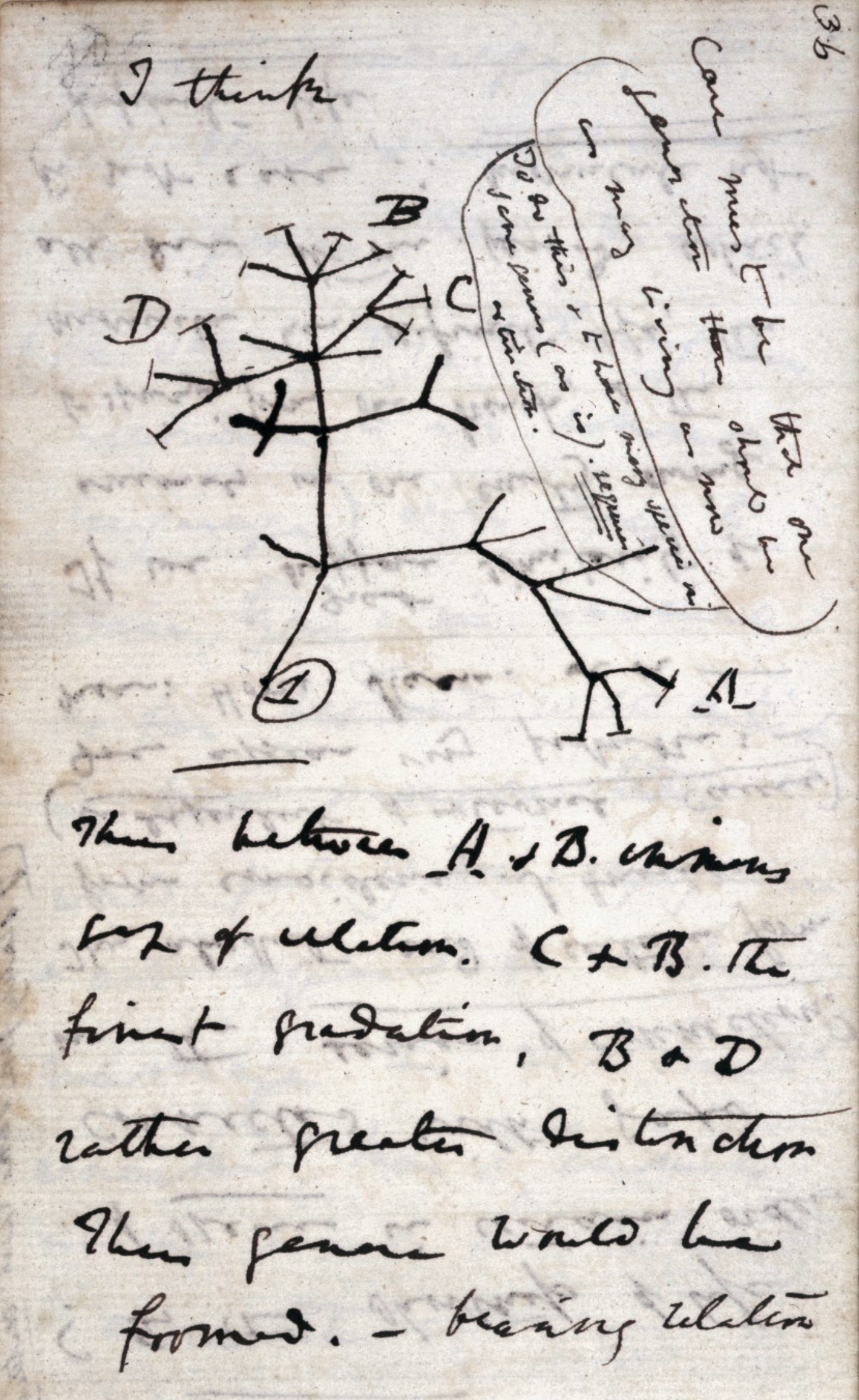 Theory
"The yarns of seamen have a direct simplicity, the whole meaning of which lies within the shell of a cracked nut. But Marlow was not typical (if his propensity to spin yarns be excepted), and to him the meaning of an episode was not inside like a kernel but outside, enveloping the tale which brought it out only as a glow brings out a haze, in the likeness of one of these misty halos that sometimes are made visible by the spectral illumination of moonshine."
"Going up that river was like traveling back to the earliest beginnings of the world, when vegetation rioted on the earth and the big trees were kings. An empty stream, a great silence, an impenetrable forest. The air was warm, thick, heavy, sluggish. There was no joy in the brilliance of sunshine. The long stretches of the waterway ran on, deserted, into the gloom of overshadowed distances."
"The intimate rapport with nature is one of the most precious things in life. Nature is indeed very close to us; sometimes closer than hands and feet, of which in truth she is but the extension. The emotional appeal of nature is tremendous, sometimes almost more than one can bear."
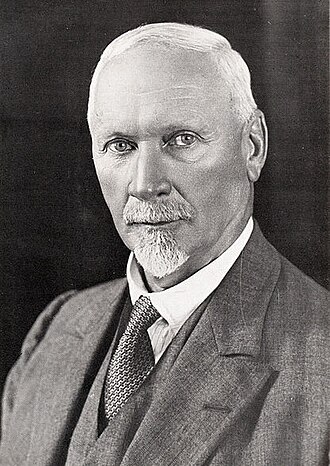 Jan Smuts
"Are people naturally destructive, immoral, predatory and self-seeking, only to be kept in order by harsh laws and fiercely deterrent mandatory sentences? Or are men and women naturally orderly, merciful, humane and bred with a need for justice and mutual aid? Of course these qualities, or defects, are not evenly distributed, and undoubtedly there is much of each in all of us, but when it comes to the law some sort of distinction can be drawn. Are you a Shylock or a Bassanio? Shylock pinned his faith on the words in the contract, the nature of his bond and the duty of the state to uphold the letter of the law regardless of human suffering. Bassanio put another point of view. More important than the sanctity of the law was the plight of the individual parties in the particular case."