Quote
"A classic is classic not because it conforms to certain structural rules, or fits certain definitions (of which its author had quite probably never heard). It is classic because of a certain eternal and irrepressible freshness."
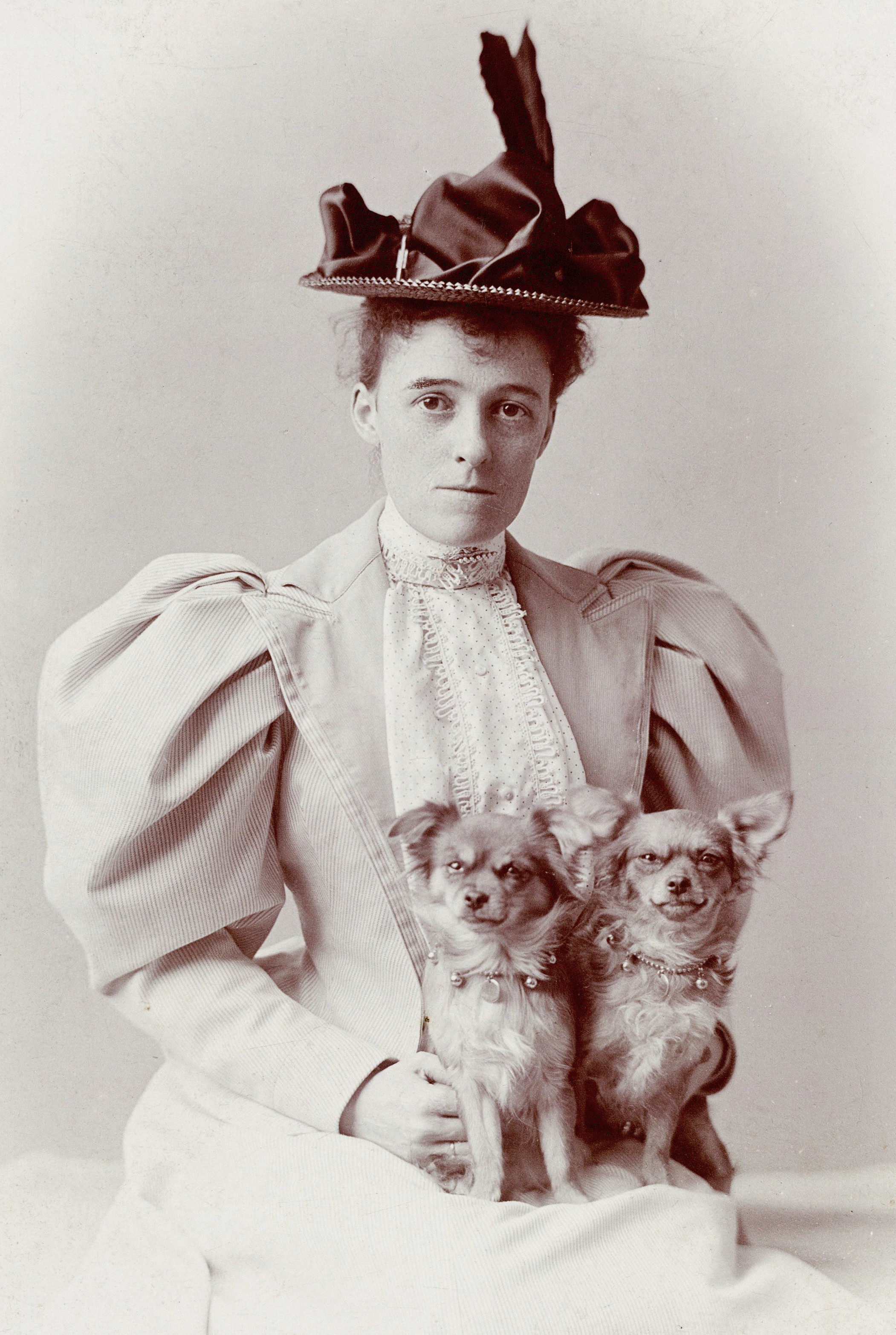 Edith Wharton
"Set wide the window. Let me drink the day. I loved light ever, light in eye and brain — No tapers mirrored in long palace floors, Nor dedicated depths of silent aisles, But just the common dusty wind-blown day That roofs earths millions."
Edith Newbold Wharton was an American writer and designer. Wharton drew upon her insider's knowledge of upper-class New York society to portray, realistically, the lives and morals of the Gilded Age. In 1921, she became the first woman to win the Pulitzer Prize for Fiction for her novel The Age of Innocence. She was inducted into the National Women's Hall of Fame in 1996. Her other well-known work
"A classic is classic not because it conforms to certain structural rules, or fits certain definitions (of which its author had quite probably never heard). It is classic because of a certain eternal and irrepressible freshness."
Edith Wharton"Old age, calm, expanded, broad with the haughty breadth of the universe, Old age flowing free with the delicious near-by freedom of death."
Edith Wharton"Art is on the side of the oppressed. Think before you shudder at the simplistic dictum and its heretical definition of the freedom of art. For if art is freedom of the spirit, how can it exist within the oppressors?"
Edith Wharton"The only way not to think about money is to have a great deal of it."
Edith Wharton"No insect hangs its nest on threads as frail as those which will sustain the weight of human vanity."
Edith Wharton"There are two ways of spreading light: to be The candle or the mirror that reflects it."
Edith Wharton"At one point a heated discussion arose over the possible interpretation of Lolita as a grandiose metaphor of the classic Europeans hopeless love for young, seductive, barbaric America. In his afterword to the novel Nabokov himself mentions this as the naive theory of one of the publishers who turned the book down. And although there cant be the slightest doubt that Nabokov did not mean to limit Lolita to that interpretation, there is no reason to exclude it as one of the novels many dimensions. The point, I felt, became obvious when one drew the line between Lolita as a delightfully frivolous story on the verge of pornography and Lolita as a literary masterpiece, the only convincing love story of our century."
 Lolita
"Lovely food, for rabbits, that is."
"One makes mistakes; that is life. But it is never a mistake to have loved."
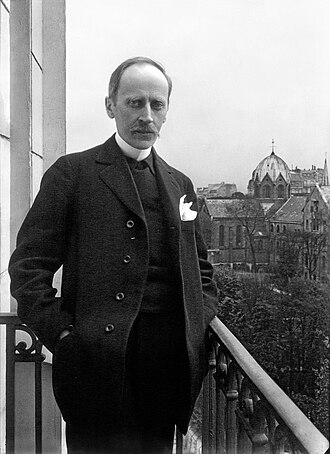 Romain Rolland
"[explaining to Ernie how April apologized to him] She just showed up at the factory, took off her coat, and begged me to take her. We made love in a way that Ive only ever seen in nature films."
 MouseHunt (film)
"Love is always love, come whence it may. A heart that beats at your approach, an eye that weeps when you go away are things so rare, so sweet, so precious that they must never be despised."
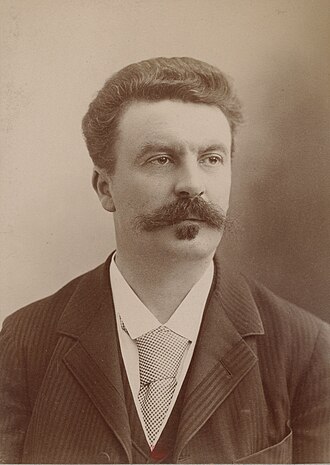 Guy de Maupassant
"He was obeyed, yet he inspired neither love nor fear, nor even respect. He inspired uneasiness. That was it! Uneasiness. Not a definite mistrust — just uneasiness — nothing more. You have no idea how effective such a... a... faculty can be. He had no genius for organizing, for initiative, or for order even. That was evident in such things as the deplorable state of the station. He had no learning, and no intelligence. His position had come to him — why? Perhaps because he was never ill . . . He had served three terms of three years out there . . . Because triumphant health in the general rout of constitutions is a kind of power in itself."