Quote
"The grave itself is but a covered bridge, Leading from light to light, through a brief darkness!"
H
Henry Wadsworth Longfellow"There is a Reaper, whose name is Death, And, with his sickle keen, He reaps the bearded grain at a breath, And the flowers that grow between."
Henry Wadsworth Longfellow was an American poet and educator. His original works include the poems "Paul Revere's Ride", The Song of Hiawatha, and Evangeline. He was the first American to completely translate Dante Alighieri's Divine Comedy and was one of the fireside poets from New England.
"The grave itself is but a covered bridge, Leading from light to light, through a brief darkness!"
"Stars of the summer night! Far in yon azure deeps, Hide, hide your golden light! She sleeps! My lady sleeps!"
"O Bells of San Blas in vain Ye call back the Past again; The Past is deaf to your prayer! Out of the shadows of night The world rolls into light; It is daybreak everywhere."
"Books are sepulchres of thought."
"Let us, then, be up and doing. With a heart for any fate; Still achieving, still pursuing, Learn to labor and to wait."
"Moons waxed and waned, the lilacs bloomed and died, In the broad river ebbed and flowed the tide, Ships went to sea, and ships came home from sea, And the slow years sailed by and ceased to be."
"[explaining to Ernie how April apologized to him] She just showed up at the factory, took off her coat, and begged me to take her. We made love in a way that Ive only ever seen in nature films."
 MouseHunt (film)
"All men suppose what is called Wisdom to deal with the first causes and the principles of things; so that, as has been said before, the man of experience is thought to be wiser than the possessors of any sense-perception whatever, the artist wiser than the men of experience, the masterworker than the mechanic, and the theoretical kinds of knowledge to be more of the nature of Wisdom than the productive."
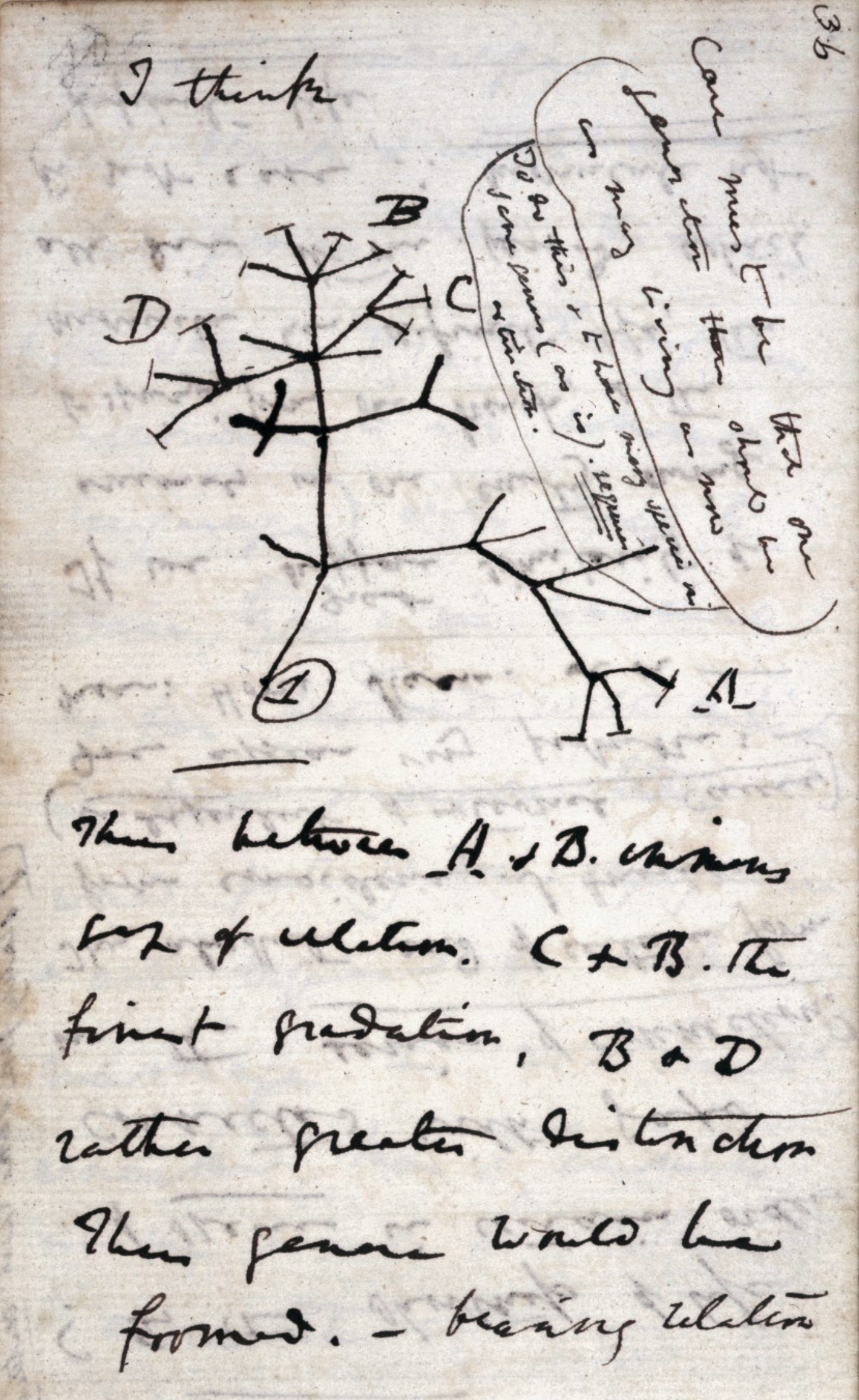 Theory
"The yarns of seamen have a direct simplicity, the whole meaning of which lies within the shell of a cracked nut. But Marlow was not typical (if his propensity to spin yarns be excepted), and to him the meaning of an episode was not inside like a kernel but outside, enveloping the tale which brought it out only as a glow brings out a haze, in the likeness of one of these misty halos that sometimes are made visible by the spectral illumination of moonshine."
"Going up that river was like traveling back to the earliest beginnings of the world, when vegetation rioted on the earth and the big trees were kings. An empty stream, a great silence, an impenetrable forest. The air was warm, thick, heavy, sluggish. There was no joy in the brilliance of sunshine. The long stretches of the waterway ran on, deserted, into the gloom of overshadowed distances."
"The intimate rapport with nature is one of the most precious things in life. Nature is indeed very close to us; sometimes closer than hands and feet, of which in truth she is but the extension. The emotional appeal of nature is tremendous, sometimes almost more than one can bear."
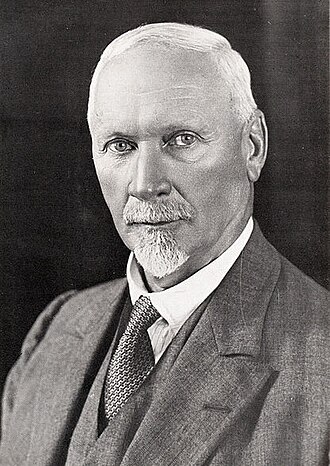 Jan Smuts
"Are people naturally destructive, immoral, predatory and self-seeking, only to be kept in order by harsh laws and fiercely deterrent mandatory sentences? Or are men and women naturally orderly, merciful, humane and bred with a need for justice and mutual aid? Of course these qualities, or defects, are not evenly distributed, and undoubtedly there is much of each in all of us, but when it comes to the law some sort of distinction can be drawn. Are you a Shylock or a Bassanio? Shylock pinned his faith on the words in the contract, the nature of his bond and the duty of the state to uphold the letter of the law regardless of human suffering. Bassanio put another point of view. More important than the sanctity of the law was the plight of the individual parties in the particular case."