Quote
"With any child entering adolescence, one hunts for signs of health, is desperate for the smallest indication that the childs problems will never be important enough for a television movie."
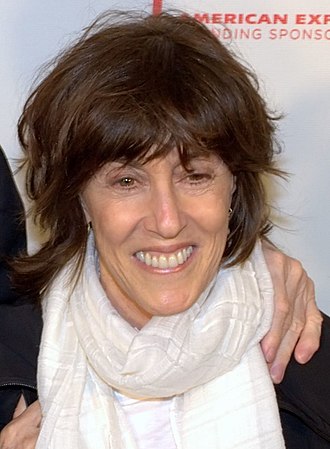 Nora Ephron
"Whenever I get married, I start buying Gourmet magazine. I think of it as my own personal brides disease."
Nora Ephron was an American writer, playwright, journalist, and filmmaker. Known for writing and directing romantic comedy films, she received numerous accolades including a BAFTA Award as well as nominations for three Academy Awards, a Tony Award, a Golden Globe Award, and three Writers Guild of America Awards.
"With any child entering adolescence, one hunts for signs of health, is desperate for the smallest indication that the childs problems will never be important enough for a television movie."
Nora Ephron"I am continually fascinated at the difficulty intelligent people have in distinguishing what is controversial from what is merely offensive."
Nora Ephron"Plastic surgery is a way for people to buy themselves a few years before they have to truly confront what ageing is, which of course is not that your looks are falling apart, but that you are falling apart and some-day you will have fallen apart and ceased to exist."
Nora Ephron"The function of a blog is on some level to start a conversation that youre not involved in any more because youve already had your say. That thing of coming right off the news — did you see what I saw this morning, can you believe it? — has a kind of fun appeal."
Nora Ephron"Stare at me in this faceless way, go mad with desire, and rip my clothes off. Its terrific. In my sex fantasy, nobody ever loves me for my mind. The fantasy of rape — of which mine is in a kind of prepubescent sub-category — is common enough among women and (in mirror image) among men."
Nora Ephron"Insane people are always sure theyre just fine. Its only the sane people who are willing to admit theyre crazy."
Nora Ephron"[explaining to Ernie how April apologized to him] She just showed up at the factory, took off her coat, and begged me to take her. We made love in a way that Ive only ever seen in nature films."
 MouseHunt (film)
"All men suppose what is called Wisdom to deal with the first causes and the principles of things; so that, as has been said before, the man of experience is thought to be wiser than the possessors of any sense-perception whatever, the artist wiser than the men of experience, the masterworker than the mechanic, and the theoretical kinds of knowledge to be more of the nature of Wisdom than the productive."
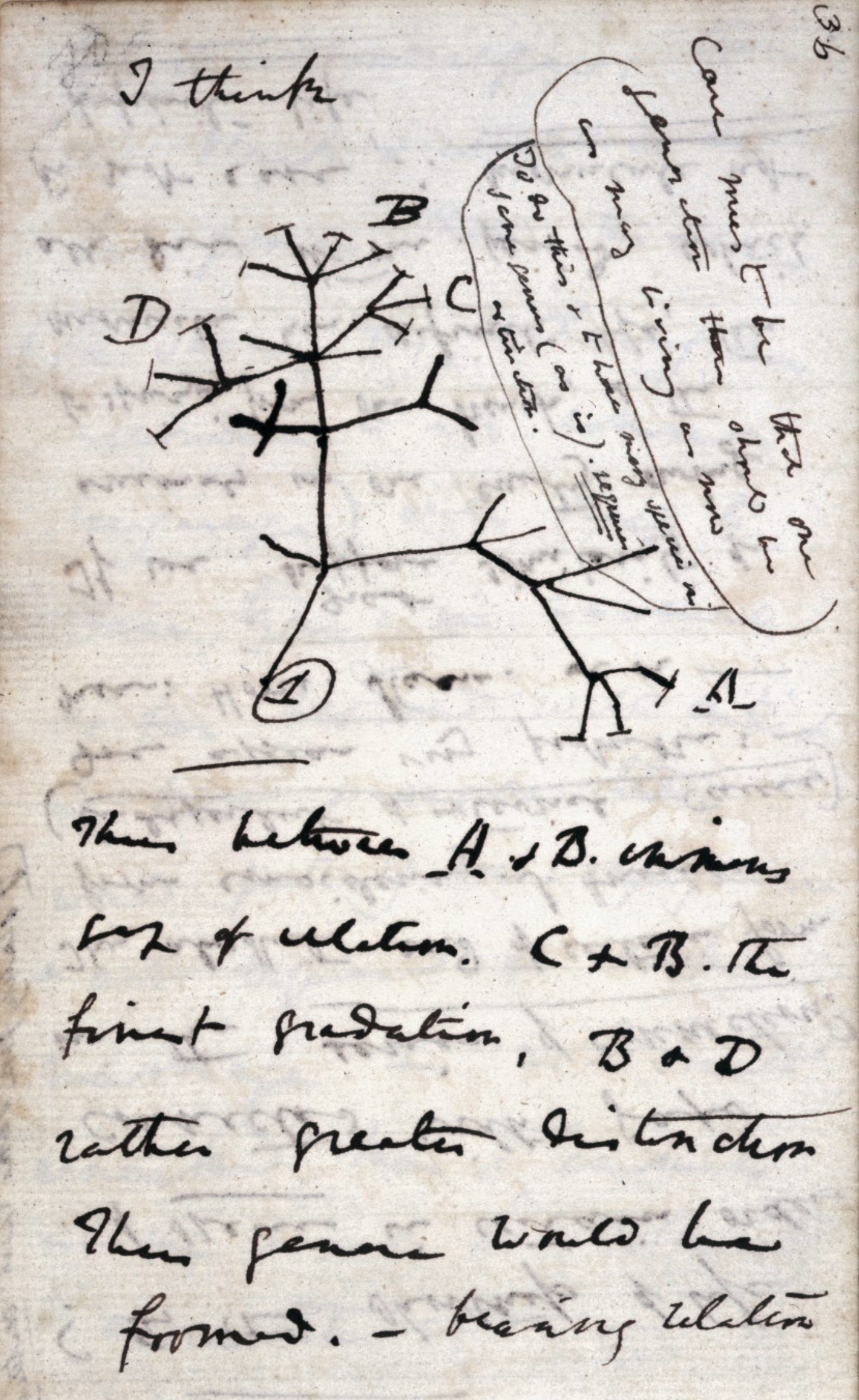 Theory
"The yarns of seamen have a direct simplicity, the whole meaning of which lies within the shell of a cracked nut. But Marlow was not typical (if his propensity to spin yarns be excepted), and to him the meaning of an episode was not inside like a kernel but outside, enveloping the tale which brought it out only as a glow brings out a haze, in the likeness of one of these misty halos that sometimes are made visible by the spectral illumination of moonshine."
"Going up that river was like traveling back to the earliest beginnings of the world, when vegetation rioted on the earth and the big trees were kings. An empty stream, a great silence, an impenetrable forest. The air was warm, thick, heavy, sluggish. There was no joy in the brilliance of sunshine. The long stretches of the waterway ran on, deserted, into the gloom of overshadowed distances."
"The intimate rapport with nature is one of the most precious things in life. Nature is indeed very close to us; sometimes closer than hands and feet, of which in truth she is but the extension. The emotional appeal of nature is tremendous, sometimes almost more than one can bear."
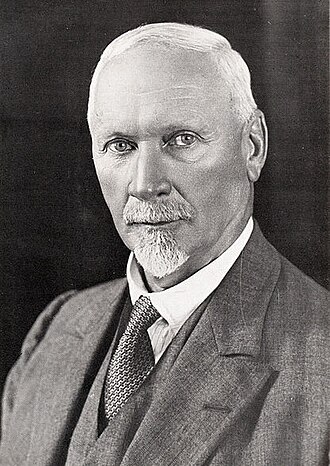 Jan Smuts
"Are people naturally destructive, immoral, predatory and self-seeking, only to be kept in order by harsh laws and fiercely deterrent mandatory sentences? Or are men and women naturally orderly, merciful, humane and bred with a need for justice and mutual aid? Of course these qualities, or defects, are not evenly distributed, and undoubtedly there is much of each in all of us, but when it comes to the law some sort of distinction can be drawn. Are you a Shylock or a Bassanio? Shylock pinned his faith on the words in the contract, the nature of his bond and the duty of the state to uphold the letter of the law regardless of human suffering. Bassanio put another point of view. More important than the sanctity of the law was the plight of the individual parties in the particular case."