Quote
"4 Arjen Dijksman 13:44, 5 April 2009 (UTC)"
A
April 9"4 ♞☤☮♌︎Kalki ⚚⚓︎⊙☳☶⚡ 22:24, 8 April 2017 (UTC) 3 Kalki 04:32, 8 April 2007 (UTC) with a strong lean toward 4. but there are several more commonly published translations than that one, and I would prefer "There exists in the word, in the verb, something sacred which prohibits us from viewing it as a mere game of chance. To manipulate language with wisdom is to practice a kind of evocative sorcery" but this probably prefer this one even more, and intend to use it:"
April 9 is the 99th day of the year in the Gregorian calendar; 266 days remain until the end of the year.
"4 Arjen Dijksman 13:44, 5 April 2009 (UTC)"
"4 Kalki 04:32, 8 April 2007 (UTC) -->"
"3 Kalki 14:25, 5 April 2009 (UTC) -->"
"4 Kalki 21:44, 6 April 2009 (UTC) I think this is sufficient as quoted, but have also considered extending it to begin with:"
"1 Zarbon 04:16, 7 April 2009 (UTC) -->"
"1 Zarbon 23:32, 22 April 2008 (UTC)"
"The wound is the place where the Light enters you."
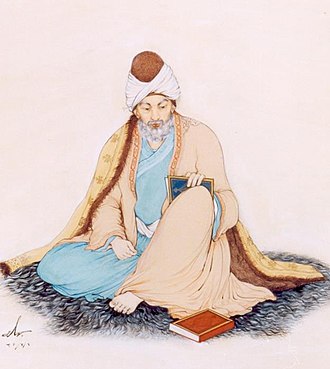 Rumi
Rumi"Be the change that you wish to see in the world."
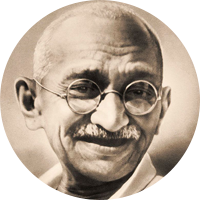 Mahatma Gandhi
"In philosophy equally as in poetry it is the highest and most useful prerogative of genius to produce the strongest impressions of novelty, while it rescues admitted truths from the neglect caused by the very circumstance of their universal admission."
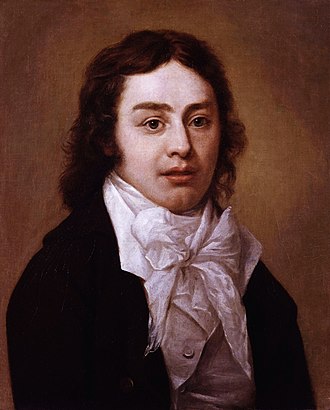 Samuel Taylor Coleridge
"An [hypertext] encyclopaedia will be an overall attempt by the knowledgeable, the learned societies or anyone else, to represent the state-of-the-art in their field. An encyclopaedia will be a living document, as up to date as it can be, instantly accessible at any time. It will contain carefully authored explanations and summaries of the subject, as well as computer-generated indexes of literature. A reference to a paper from the encyclopaedia conveys authority and acceptance by academic society. A measure of a paper’s standing may be conveyed by the number of links it is away from an encyclopaedia."
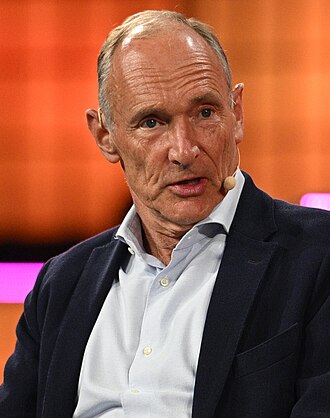 Tim Berners-Lee
"The British intellectual tradition is empirical and liberal, the French is rationalist and aristocratic, and the German is idealist and conservative. ...In the great ontological debate between mind and matter, German philosophy comes down solidly on the side of mind. Its emphasis is intuition as opposed to reason, ideas as opposed to facts."
"To know the mighty works of God, to comprehend His wisdom and majesty and power; to appreciate, in degree, the wonderful workings of His laws, surely all this must be a pleasing and acceptable mode of worship to the Most High, to whom ignorance cannot be more grateful than knowledge."