Quote
"it is clear that it [smallpox vaccines] was not the cause of the disappearance of smallpox from England or Europe."
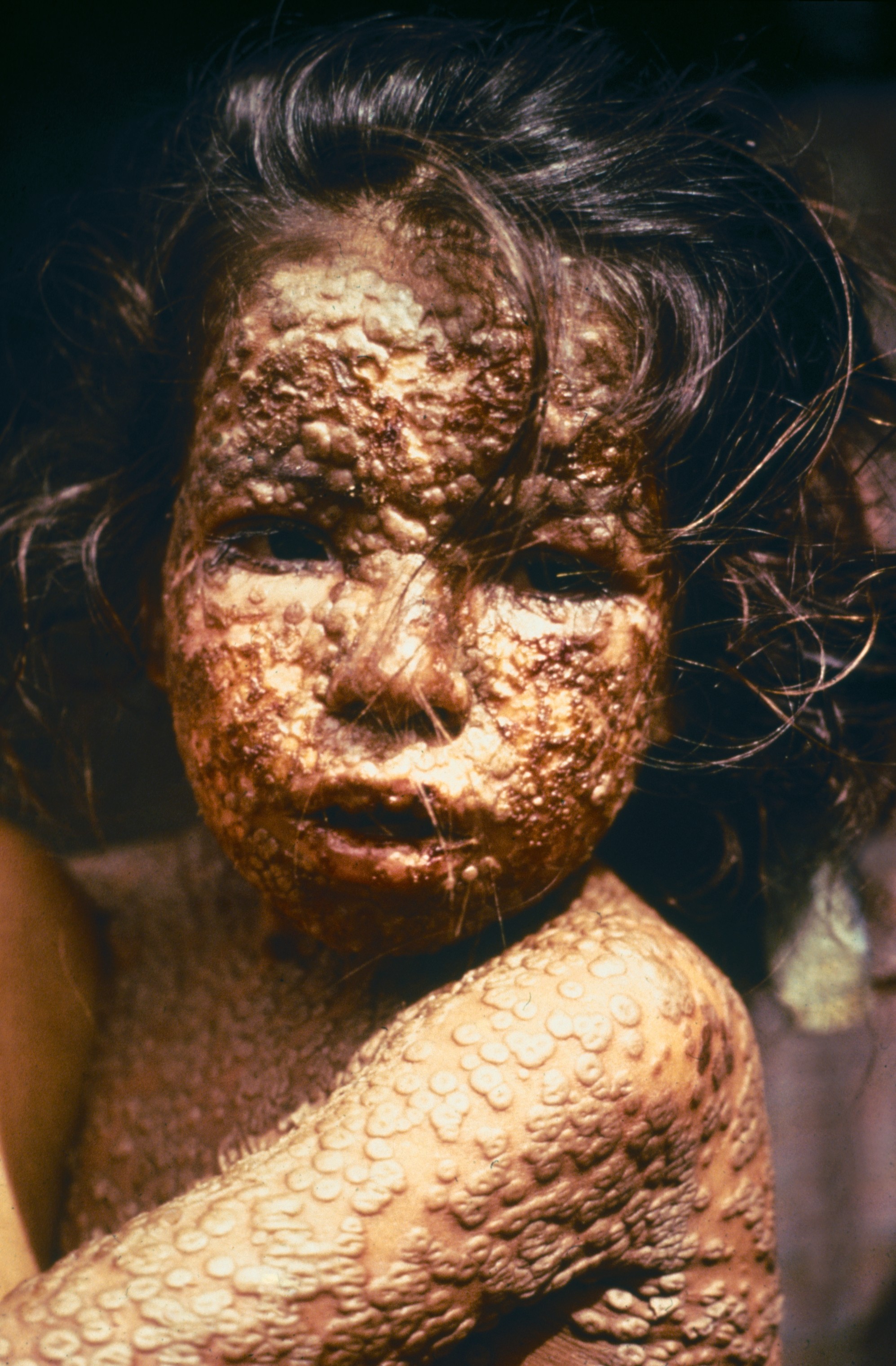 Smallpox
"By the late 1700s, Edward Jenner observed that milkmaids and others previously infected with cowpox were immune to smallpox. Cowpox caused lesions similar to smallpox, but the lesions were localized, and the disease was much milder and not considered deadly. Building on the world and observations of other physicians at the time, Jenner devised a series of experiments in which a person who had not previously acquired smallpox nor cowpox would be inoculated first with cowpox and later with smallpox. The gambit paid off. The subjects of these experiments showed a mild reaction to cowpox, and no reaction nor disease to smallpox inoculation. The first vaccine was born. For almost eighty years, cowpox vaccination against smallpox remained the only vaccine in use around the world. Science and technology were not yet there to create vaccines against other disease-causing organisms, though many tried."
Smallpox was an infectious disease caused by Variola virus, which belongs to the genus Orthopoxvirus. The last naturally occurring case was diagnosed in October 1977, and the World Health Organization (WHO) certified the global eradication of the disease in 1980, making smallpox the only human disease to have been eradicated.
"it is clear that it [smallpox vaccines] was not the cause of the disappearance of smallpox from England or Europe."
Smallpox"Public health and vaccination programs rest on one central story: that they were crucial to the elimination of one of history’s greatest killers, smallpox. As we’ve seen, this is not true."
Smallpox"In the case of smallpox, PEP is likely to be effective when given within four days of exposure to the virus. Plans provide for the smallpox vaccine to be shipped starting on the first day of an attack, and it would continue to be shipped from the stockpile to the rest of the country as needed in the five to six days following the attack."
Smallpox"In a wide-scale emergency in which a vaccine is available or potentially available, a large supply of vaccine would be necessary and needed quickly. Currently, the U.S. Strategic National Stockpile (SNS) has enough smallpox vaccine to vaccinate every person in the country in the event of a bio-weapon attack."
Smallpox"The first human vaccines against viruses were based on using weaker or attenuated viruses to generate immunity, while not giving the recipient of the vaccine the full-blown illness or, preferably, any symptoms at all. For example, the smallpox vaccine used cowpox, a poxvirus similar enough to smallpox to protect against it, but usually didn’t cause serious illness."
Smallpox"Its decline in the later decades of the nineteenth century was at one time almost universally attributed to vaccination, but it is doubtful how true this is. Vaccination was never carried out with any degree of completeness, even among infants, and was maintained at a high level for a few decades only. There was therefore always a large proportion of the population unaffected by the vaccination laws. Revaccination affected only a fraction. At present the population is largely entirely unvaccinated. Members of the public health service now flatter themselves that the cessation of such outbreaks as do occur is due to their efforts. But is this so? The history of the rise, the change in age incidence, and the decline of smallpox rather lead to the conclusion that we may here have to do with a natural cycle of disease like plague, and that smallpox is no longer a natural disease for this country."
Smallpox