Quote
"Had I been wrong, this would still have been the honorable thing to do. I am very glad, however, to find out that I was right."
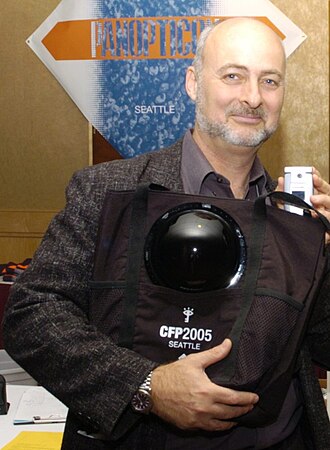 David Brin
"It had been different during his first year of graduate school, when he temporarily forsook physics to explore instead the realm of the senses. Applying logic to the late-blooming quandries of maturity, he had parsed the elements of encounter, banter, negotiation, and consummation, separating and solving the variables one by one until the problem—if not generally solved—did appear to have tractable special solutions."
Glen David Brin is an American science fiction author. He has won the Hugo, Locus, Campbell and Nebula Awards. His novel The Postman was adapted into a 1997 feature film starring Kevin Costner.
"Had I been wrong, this would still have been the honorable thing to do. I am very glad, however, to find out that I was right."
David Brin"She closed her eyes. And while her intellect wouldn’t let her realize her deepest fear, that all this might soon be gone forever, nevertheless she stood there for a time and worshipped the only way a person like her could worship—in silence and solitude, under the temple of the sky."
David Brin"Ideologies are too seductive anyway. It does a man good to see things from a different point of view."
David Brin"The lesson they took home with them was simple; it takes a full belly before a man or woman gives a tinker’s damn about anything as large as a planet."
David Brin"Nation states are archaic leftovers from when each man feared the tribe over the hill, an attitude we can’t afford anymore."
David Brin"It was silly to suppose that trials only hardened men, automatically making them wise. He knew many who were stupid, arrogant, and mean, in spite of having suffered."
David Brin"We have created a wealthy society with tens of millions of talented, resourceful individuals who play virtually no role whatsoever as citizens. Bringing these people in — with their networks of influence, their knowledge, and their resources — is the key to creating the capacity for shared intelligence that we need to solve our problems."
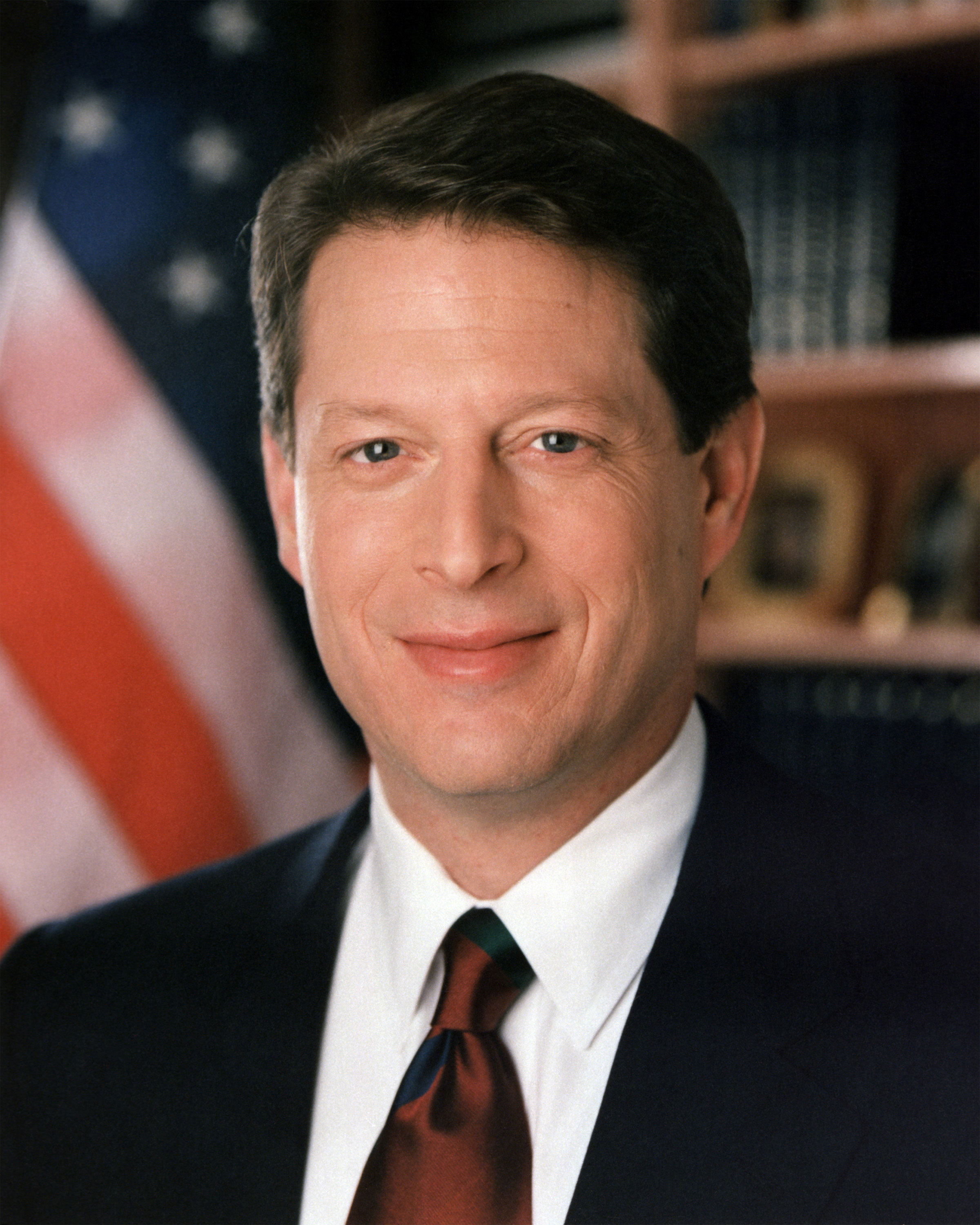 Al Gore
"As in respect of the first wonder we are all on the same level, how comes it that the philosophic mind should, in all ages, be the privilege of a few? The most obvious reason is this: The wonder takes place before the period of reflection, and (with the great mass of mankind) long before the individual is capable of directing his attention freely and consciously to the feeling, or even to its exciting causes. Surprise (the form and dress which the wonder of ignorance usually puts on) is worn away, if not precluded, by custom and familiarity."
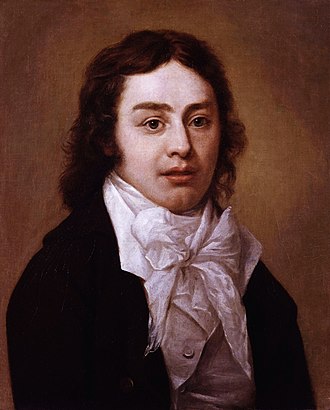 Samuel Taylor Coleridge
"The dualistic philosophy reigned supreme in Europe, dominating the development of Western science. But with the advent of atomic physics, findings based on demonstrable experiment were seen to negate the dualistic theory, and the trend of thought since then has been back to the monistic conception of the ancient Taoists."
"Under the rule of a repressive whole, liberty can be made into a powerful instrument of domination. The range of choice open to the individual is not the decisive factor in determining the degree of human freedom, but what can be chosen and what is chosen by the individual."
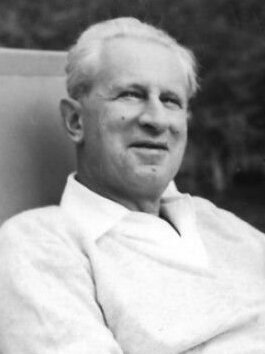 Herbert Marcuse
"All economic activity is carried out through time. Every individual economic process occupies a certain time, and all linkages between economic processes necessarily involve longer or shorter periods of time."
"I believe that the main lesson which our generation has learnt is that we must find a new limit for the activities of government, a limit which leaves ample scope for sensible experimentation but which secures the freedom of the individual as the mainspring of all social and political activity. The whole purpose of these lectures has been to suggest that we can find such a limit if we are willing to revive and develop the ancient ideal of the Rule of Law."