Quote
"No one does more harm in the Church than he who has the title or rank of holiness and acts perversely."
P
Pope Gregory I"Moreover, because the slothful mind is typically brought to its downfall gradually, when we fail to control our speech, we move on to more harsh words. Thus, at first, we are happy to speak of others kindly; afterwards, we begin to pick at the lives of those of whom we speak, and finally our tongues break into open slander against them."
Pope Gregory I, commonly known as Saint Gregory the Great, was the 64th Bishop of Rome from 3 September 590 until his death on 12 March 604.
"No one does more harm in the Church than he who has the title or rank of holiness and acts perversely."
"Those who do not speak the words of God with humility must be advised that when they apply medicine to the sick, they must first inspect the poison of their own infection, or else by attempting to heal others, they kill themselves."
"Gregory is in a very real sense the last of the Romans. His tone of command, while justified by his office, has its instinctive basis in Roman aristocratic pride."
"They are not Angles, but angels."
"There are some so restless that when they are free from labour they labour all the more, because the more leisure they they have for thought, the worse interior turmoil they have to bear."
"Gregorys letters are extraordinarily interesting, not only as showing his character, but as giving a picture of his age. His tone, except to the emperor and the ladies of the Byzantine court, is that of a head master-sometimes commending, often reproving, never showing the faintest hesitation as to his right to give orders."
"We have created a wealthy society with tens of millions of talented, resourceful individuals who play virtually no role whatsoever as citizens. Bringing these people in — with their networks of influence, their knowledge, and their resources — is the key to creating the capacity for shared intelligence that we need to solve our problems."
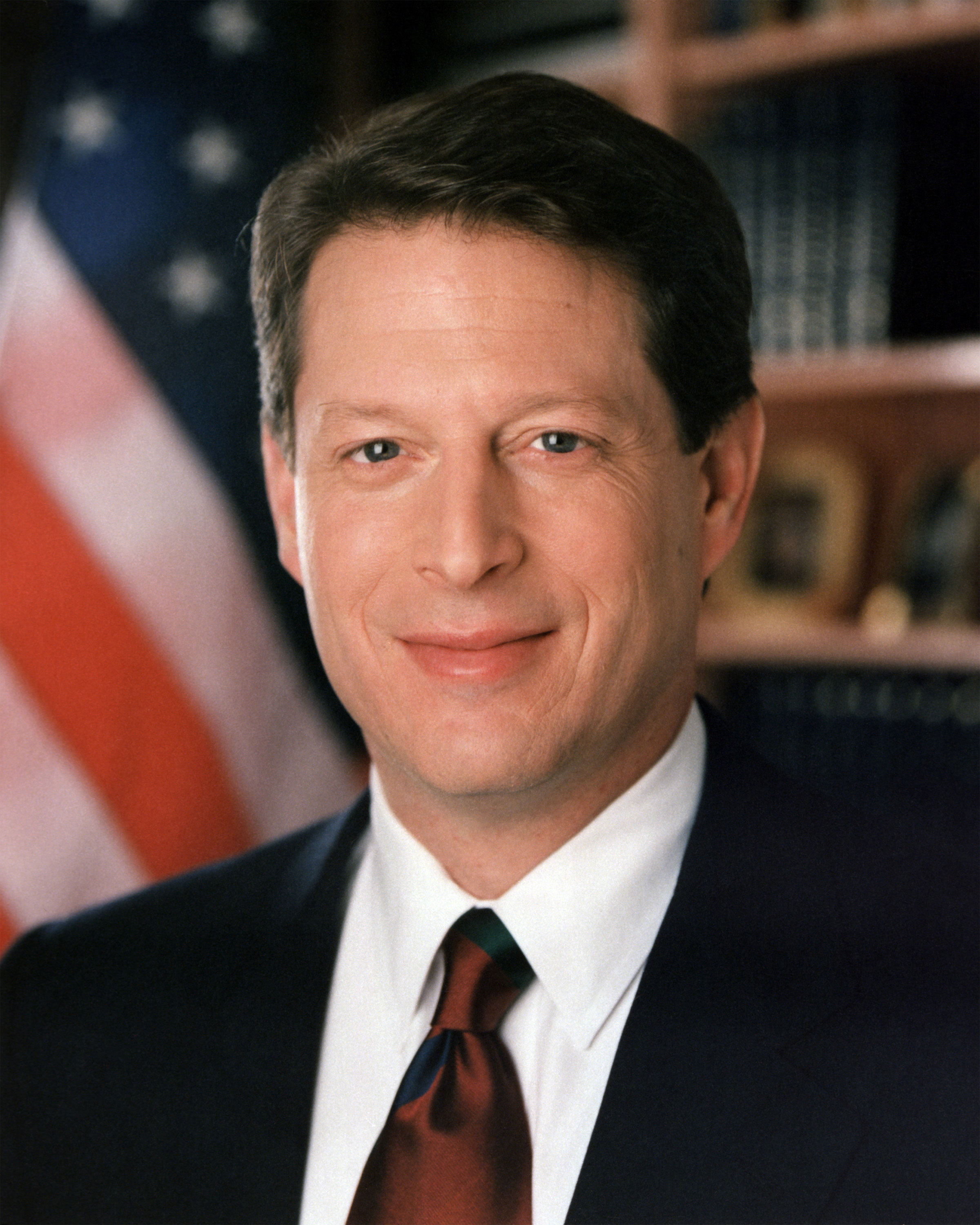 Al Gore
"As in respect of the first wonder we are all on the same level, how comes it that the philosophic mind should, in all ages, be the privilege of a few? The most obvious reason is this: The wonder takes place before the period of reflection, and (with the great mass of mankind) long before the individual is capable of directing his attention freely and consciously to the feeling, or even to its exciting causes. Surprise (the form and dress which the wonder of ignorance usually puts on) is worn away, if not precluded, by custom and familiarity."
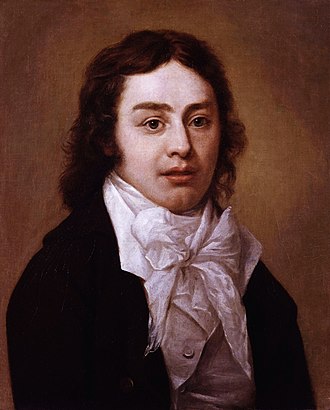 Samuel Taylor Coleridge
"The dualistic philosophy reigned supreme in Europe, dominating the development of Western science. But with the advent of atomic physics, findings based on demonstrable experiment were seen to negate the dualistic theory, and the trend of thought since then has been back to the monistic conception of the ancient Taoists."
"Under the rule of a repressive whole, liberty can be made into a powerful instrument of domination. The range of choice open to the individual is not the decisive factor in determining the degree of human freedom, but what can be chosen and what is chosen by the individual."
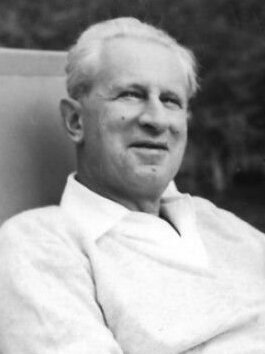 Herbert Marcuse
"All economic activity is carried out through time. Every individual economic process occupies a certain time, and all linkages between economic processes necessarily involve longer or shorter periods of time."
"I believe that the main lesson which our generation has learnt is that we must find a new limit for the activities of government, a limit which leaves ample scope for sensible experimentation but which secures the freedom of the individual as the mainspring of all social and political activity. The whole purpose of these lectures has been to suggest that we can find such a limit if we are willing to revive and develop the ancient ideal of the Rule of Law."