SHAWORDS

Moved by a generous eagerness to turn mens attention to the power whic — George Holyoake

"Moved by a generous eagerness to turn mens attention to the power which dwelt in circumstances, Mr. Owen devised the instructive phrase, that "mans character was formed for him and not by him." He used the unforgettable inference that "man is the creature of circumstances." The school of material improvers believed they could put in permanent force right circumstances. The great dogma was their charter of encouragement. To those who hated without thought It seemed a restrictive doctrine to be asked to admit that there were extenuating circumstances in the career of every rascal. To the clergy with whom censure was a profession, and who held that all sin was wilful, man being represented as the "creature of circumstances," appeared a denial of moral responsibility. When they were asked to direct hatred against error, and pity the erring — who had inherited so base a fortune of incapacity and condition — they were wroth exceedingly, and said it would be making a compromise with sin. The idea of the philosopher of circumstances was that the very murderer in his last cell had been born with a staple in his soul, to which the villainous conditions of his life had attached an unseen chain, which had drawn him to the gallows, and that the rope which was to hang him was but the visible part. Legislators since that day have come to admit that punishment is justifiable only as far as it has preventive influence. To use the great words of Hobbes, "Punishment regardeth not the past, only the future."
George Holyoake
George Holyoake
George Holyoake
author12 quotes

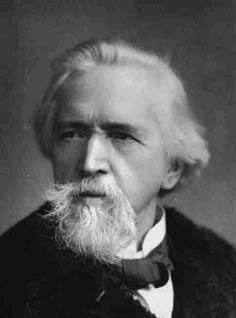
George Jacob Holyoake was an English secularist, co-operator and newspaper editor. He coined the terms secularism in 1851 and "jingoism" in 1878. He edited a secularist paper, The Reasoner, from 1846 to June 1861, and a co-operative one, The English Leader, in 1864–1867.

More by George Holyoake

View all →
Quote
"Great change can only be effected by unity. But "Union without knowledge is useless; Knowledge without union is powerless." Then what is the right knowledge? Owen said it consisted in knowing that people came into the world without any intention of doing it; and often with limited capacities, and with disadvantages of person, and with instinctive tendencies which impel them against their will, and which disqualifications they did not give themselves. ... Dislike dies in the heart of those who understand this, and the spirit of unity arises."
George HolyoakeGeorge Holyoake
Quote
"This was the angerless philosophy of Owen, which inspired him with a forbearance that never failed him, and gave him that regnant manner which charmed all who met him. We shall see what his doctrine of environment has done for society, if we notice what it began to do in his day, and what it has done since. Men perished by battle, by tempest, by pestilence, Faith might comfort, but it did not save them. In every town, nests of pestilence co-existed with the churches, who were concerned alone with worship. Disease was unchecked by devotion. Then Owen asked, "Might not safety come by improved material condition?" As the prayer of hope brought no reply, as the scream of agony, if heard, was unanswered, as the priest, with the holiest intent, brought no deliverance, it seemed prudent to try the philosopher and the physician. Then Corn Laws were repealed, because prayers fed nobody. Then parks were multiplied because fresh air was found to be a condition of health. Alleys and courts, were begun to be abolished-since deadly diseases were bred there. Streets were widened, that towns might be ventilated. Hours of labour were shortened, since exhaustion means liability to epidemic contagion. Recreation was encouraged, as change and rest mean life and strength. Temperance — thought of as self-denial — was found to be a necessity, as excess of any kind in diet, or labour, or pleasure means premature death. Those who took dwellings began to look, not only to drainage and ventilation, but to the ways of their near neighbours, as the most pious family may poison the air you breathe unless they have sanitary habits."
George HolyoakeGeorge Holyoake