Quote
"Jede Äußerung menschlichen Geisteslebens kann als eine Art der Sprache aufgefaßt werden, und diese Auffassung erschließt nach Art einer wahrhaften Methode überall neue Fragestellungen."
W
Walter Benjamin"Nirgends erweist sich einem Kunstwerk oder einer Kunstform gegenüber die Rücksicht auf den Aufnehmenden für deren Erkenntnis fruchtbar. Nicht genug, dass jede Beziehung auf ein bestimmtes Publikum oder dessen Repräsentanten vom Wege abführt, ist sogar der Begriff eines "idealen" Aufnehmenden in allen kunsttheoretischen Erörterungen vom Übel, weil diese lediglich gehalten sind, Dasein und Wesen des Menschen überhaupt vorauszusetzen. So setzt auch die Kunst selbst dessen leibliches und geistiges Wesen voraus—seine Aufmerksamkeit aber in keinem ihrer Werke. Denn kein Gedicht gilt dem Leser, kein Bild dem Beschauer, keine Symphonie der Hörerschaft."
Walter Bendix Schönflies Benjamin was a German philosopher, cultural critic, media theorist, and essayist. An eclectic thinker who combined elements of German idealism, Jewish mysticism, Western Marxism, and post-Kantianism, he made contributions to the philosophy of history, metaphysics, historical materialism, criticism, and aesthetics, and had an oblique but overwhelmingly influential impact on
"Jede Äußerung menschlichen Geisteslebens kann als eine Art der Sprache aufgefaßt werden, und diese Auffassung erschließt nach Art einer wahrhaften Methode überall neue Fragestellungen."
"Nothing is so hateful to the philistine as the "dreams of his youth." ... For what appeared to him in his dreams was the voice of the spirit, calling him once, as it does everyone. It is of this that youth always reminds him, eternally and ominously. That is why he is antagonistic toward youth."
"Because he never raises his eyes to the great and the meaningful, the philistine has taken experience as his gospel. It has become for him a message about lifes commonness. But he has never grasped that there exists something other than experience, that there are values—inexperienceable—which we serve."
"Of all the ways of acquiring books, writing them oneself is regarded as the most praiseworthy method. … Writers are really people who write books not because they are poor, but because they are dissatisfied with the books which they could buy but do not like."
"An das Leben der Studenten tritt die Frage nach seiner bewußten Einheit heran. ... Das Auszeichnende im Studentenleben ist in der Tat der Gegenwille, sich einem Prinzip zu unterwerfen, mit der Idee sich zu durchdringen. Der Name der Wissenschaft dient vorzüglich, eine tiefeingesessene, verbürgerte Indifferenz zu verbergen."
"So dürfte von einem unvergeßlichen Leben oder Augenblick gesprochen werden, auch wenn alle Menschen sie vergessen hätten. Wenn nämlich deren Wesen es forderte, nicht vergessen zu werden, so würde jenes Prädikat nichts Falsches, sondern nur eine Forderung, der Menschen nicht entsprechen, und zugleich auch wohl den Verweis auf einen Bereich enthalten, in dem ihr entsprochen wäre: auf ein Gedenken Gottes."
"Dave Foley: I once shot a man just to watch him die, then I got distracted and missed it. Oh my friends tried to describe it to me, but it just isnt the same."
"I did not go to join Kurtz there and then. I did not. I remained to dream the nightmare out to the end, and to show my loyalty to Kurtz once more. Destiny. My destiny! Droll thing life is — that mysterious arrangement of merciless logic for a futile purpose. The most you can hope from it is some knowledge of yourself — that comes too late — a crop of unextinguishable regrets. I have wrestled with death. It is the most unexciting contest you can imagine. It takes place in an impalpable grayness, with nothing underfoot, with nothing around, without spectators, without clamor, without glory, without the great desire of victory, without the great fear of defeat, in a sickly atmosphere of tepid skepticism, without much belief in your own right, and still less in that of your adversary. If such is the form of ultimate wisdom, then life is a greater riddle than some of us think it to be. I was within a hairs-breadth of the last opportunity for pronouncement, and I found with humiliation that probably I would have nothing to say. This is the reason why I affirm that Kurtz was a remarkable man. He had something to say. He said it. Since I had peeped over the edge myself, I understand better the meaning of his stare, that could not see the flame of the candle, but was wide enough to embrace the whole universe, piercing enough to penetrate all the hearts that beat in the darkness. He had summed up — he had judged. The horror! He was a remarkable man. After all, this was the expression of some sort of belief; it had candor, it had conviction, it had a vibrating note of revolt in its whisper, it had the appalling face of a glimpsed truth — the strange commingling of desire and hate."
"I spoke up about the importance of sex and have been paying the price ever since. I was transphobic, I was a cunt, a bitch, a TERF, I deserved cancelling, punching and death."
"Oh Rama, here I go again! Listen to you, sounding like Death Vader. You people need cigarettes as much as this country needs another C-average President. Plus you look like a human Pez dispenser! Here are your cigarettes, and here is some gum so you can blow bubbles for that WEIRD-ASS HOLE YOU HAVE IN YOUR NECK. And here are some batteries, for your creeping-me-out machine. Now get the park out of my store! I hope I am reincarnated as a turtleneck... I like to tank you for getting that joke!"
"I also know that the shock of Annabels death consolidated the frustration of that nightmare summer, made of it a permanent obstacle to any further romance throughout the cold years of my youth. The spiritual and the physical had been blended in us with a perfection that must remain incomprehensible to the matter-of-fact, crude, standard-brained youngsters of today. Long after her death I felt her thoughts floating through mine. Long before we met we had had the same dreams. We compared notes. We found strange affinities. The same June of the same year (1919) a stray canary had fluttered into her house and mine, in two widely separated countries. Oh, Lolita, had you loved me thus!"
 Lolita
"The groans of the dying and the blanched set faces of the dead ... were enough to drive away all unwholesome feelings of exultation, and to remind one of the grim reality that war is. And even though these were the faces and the sufferings of our enemy, one had ... a deeper sense of the common humanity which knows no racial distinctions."
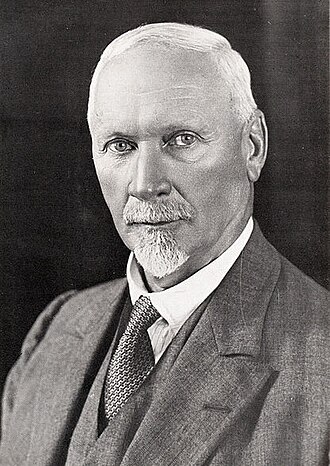 Jan Smuts