Quote
"The tool user, provided the tool is made well, need not, and indeed should not, know anything about the tool."
P
Peter Drucker"No society can function as a society, unless it gives the individual member social status and function, and unless the decisive social power is legitimate."
Peter Ferdinand Drucker was an Austrian American management consultant, educator, and author, whose writings contributed to the philosophical and practical foundations of modern management theory. He was also a leader in the development of management education, and contributed to the popularization of the concepts known as management by objectives and self-control, and he has been described as "th
"The tool user, provided the tool is made well, need not, and indeed should not, know anything about the tool."
"Communism is evil. Its driving forces are the deadly sins of envy and hatred."
"Decisions exist only in the present."
"Frederick W. Taylor was the first man in recorded history who deemed work deserving of systematic observation and study. On Taylors scientific management rests, above all, the tremendous surge of affluence in the last seventy-five years which has lifted the working masses in the developed countries well above any level recorded before, even for the well-to-do. Taylor, though the Isaac Newton (or perhaps the Archimedes) of the science of work, laid only first foundations, however. Not much has been added to them since – even though he has been dead all of sixty years."
"Engineers speak half–jokingly about Murphys Law: " If anything can go wrong, it will." But complexity stands under a second law as well. Let me call it Druckers law: "If one thing goes wrong, everything else will, and at the same time."
"There is a point at which a transformation has to take place."
"We have created a wealthy society with tens of millions of talented, resourceful individuals who play virtually no role whatsoever as citizens. Bringing these people in — with their networks of influence, their knowledge, and their resources — is the key to creating the capacity for shared intelligence that we need to solve our problems."
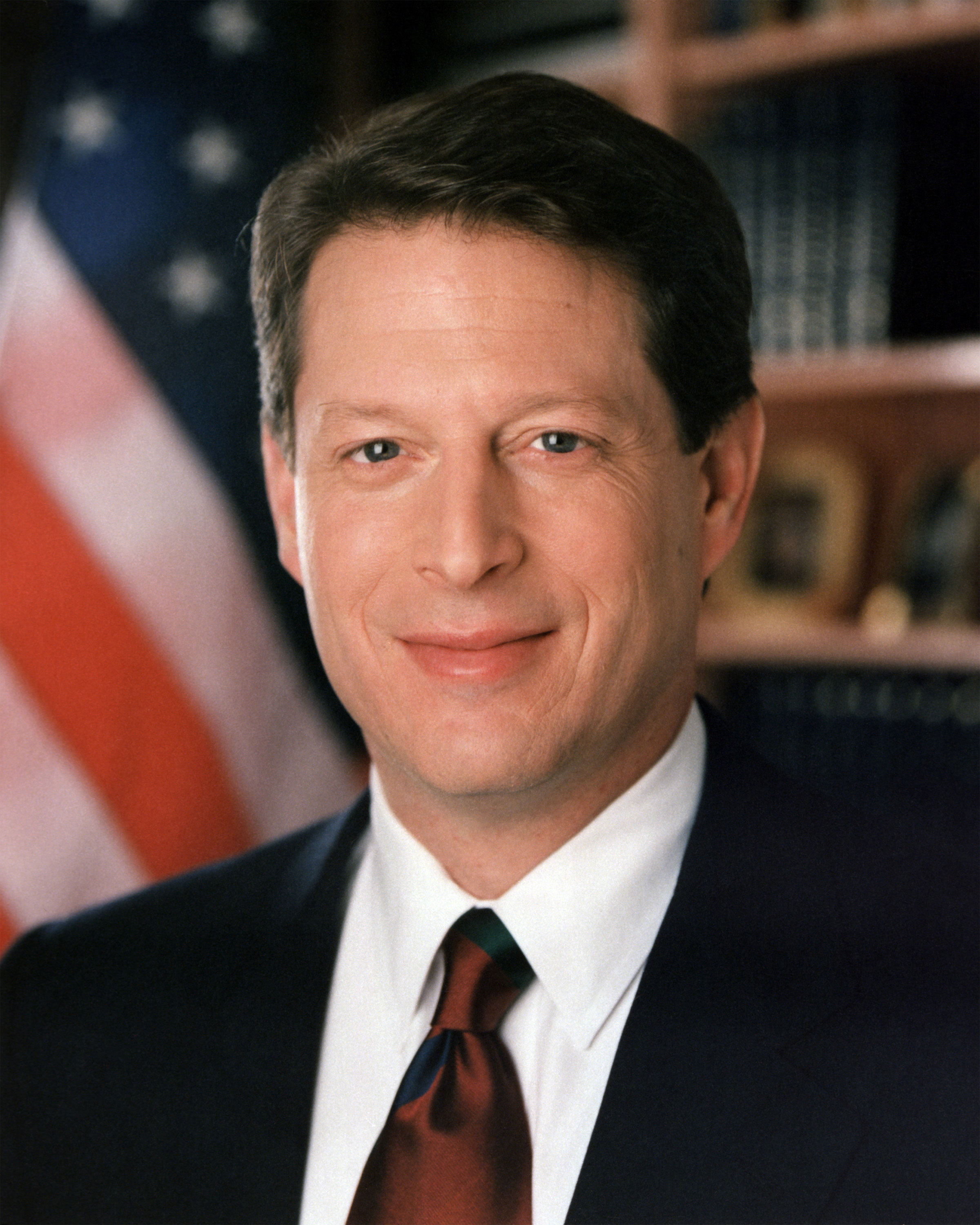 Al Gore
"As in respect of the first wonder we are all on the same level, how comes it that the philosophic mind should, in all ages, be the privilege of a few? The most obvious reason is this: The wonder takes place before the period of reflection, and (with the great mass of mankind) long before the individual is capable of directing his attention freely and consciously to the feeling, or even to its exciting causes. Surprise (the form and dress which the wonder of ignorance usually puts on) is worn away, if not precluded, by custom and familiarity."
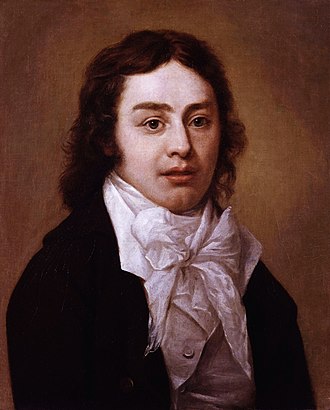 Samuel Taylor Coleridge
"The dualistic philosophy reigned supreme in Europe, dominating the development of Western science. But with the advent of atomic physics, findings based on demonstrable experiment were seen to negate the dualistic theory, and the trend of thought since then has been back to the monistic conception of the ancient Taoists."
"Under the rule of a repressive whole, liberty can be made into a powerful instrument of domination. The range of choice open to the individual is not the decisive factor in determining the degree of human freedom, but what can be chosen and what is chosen by the individual."
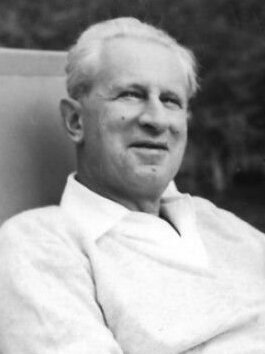 Herbert Marcuse
"All economic activity is carried out through time. Every individual economic process occupies a certain time, and all linkages between economic processes necessarily involve longer or shorter periods of time."
"I believe that the main lesson which our generation has learnt is that we must find a new limit for the activities of government, a limit which leaves ample scope for sensible experimentation but which secures the freedom of the individual as the mainspring of all social and political activity. The whole purpose of these lectures has been to suggest that we can find such a limit if we are willing to revive and develop the ancient ideal of the Rule of Law."