SHAWORDS

On the one hand, then, the reverse colonial stories in sci-fi can be u — Science fiction

"On the one hand, then, the reverse colonial stories in sci-fi can be used as a way to sympathize with those who suffer under colonialism. It puts the imperialists in the place of the Tasmanians and says, this could be you, how do you justify your violence now? On the other hand, reverse colonial stories can erase those who are at the business end of imperial terror, positing white European colonizers as the threatened victims in a genocidal race war , thereby justifying any excess of violence. Often, though, sci-fi does both at once—as, Rieder argues, Wells does in The War of the Worlds, which both sympathizes with the oppressed and suggests that survival-of-the-fittest colonial exploitation is natural, inevitable, and unstoppable (there is, after all, no talking to the Martians—or, therefore, to the Tasmanians?). The fact that colonialism is so central to science-fiction, and that science-fiction is so central to our own pop culture, suggests that the colonial experience remains more tightly bound up with our political life and public culture than we sometimes like to think. Sci-fi, then, doesn’t just demonstrate future possibilities, but future limits—the extent to which dreams of what well do remain captive to the things weve already done."
Science fiction
Science fiction
Science fiction
author

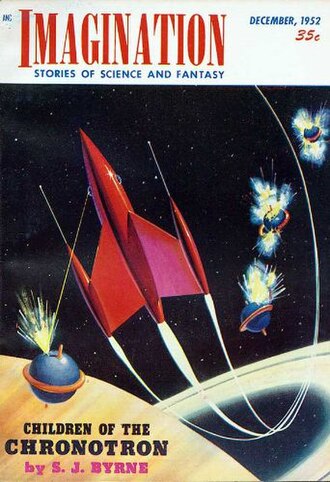
Science fiction is the genre of speculative fiction that imagines advanced and futuristic scientific or technological progress. The elements common to science fiction have increased over time: from space exploration, extraterrestrial life, time travel, and robotics; to parallel universes, dystopian societies, and biological manipulations; and, most lately, to information technology, transhumanism,

More by Science fiction

View all →
Quote
"John Rieder notes, for example, that the rising thirst for exploration of alien worlds in fiction starting in the nineteenth century, cannot be detached from growing awareness of an impending disappearance of a certain kind of exploration. He remarks: If the Victorian vogue for adventure fiction in general seems to ride the rising tide of imperial expansion, particularly into Africa and the Pacific, the increasing popularity of journeys into outer space or under the ground in the late nineteenth and early twentieth centuries probably reflects the near exhaustion of the actual unexplored areas of the globe…. Having no place on Earth left for the radical exoticism of unexplored territory, the writers invent places elsewhere."
Science fictionScience fiction