SHAWORDS

The paper is perhaps 5 per cent empirical information and 95 per cent — Simon Kuznets

"The paper is perhaps 5 per cent empirical information and 95 per cent speculation, some of it possibly tainted by wishful thinking. The excuse for building an elaborate structure on such a shaky foundation is a deep interest in the subject and a wish to share it with members of the Association. The formal and no less genuine excuse is that the subject is central to much of economic analysis and thinking; that our knowledge of it is inadequate; that a more cogent view of the whole field may help channel our interests and work in intellectually profitable directions; that speculation is an effective way of presenting a broad view of the field; and that so long as it is recognized as a collection of hunches calling for further investigation rather than a set of fully tested conclusions, little harm and much good may result"
Simon Kuznets
Simon Kuznets
Simon Kuznets
author13 quotes

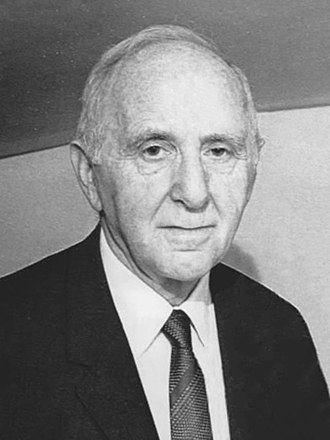
Simon Smith Kuznets was a Russian-born American economist and statistician who received the 1971 Nobel Memorial Prize in Economic Sciences "for his empirically founded interpretation of economic growth which has led to new and deepened insight into the economic and social structure and process of development."

More by Simon Kuznets

View all →
Quote
"GDP! The right concept of economy-wide output, accurately measured. The U.S. and the world rely on it to tell where we are in the business cycle and to estimate long-run growth. It is the centerpiece of an elaborate and indispensable system of social accounting, the national income and product accounts. This is surely the signal innovative achievement of the Commerce Department in the 20th century. I was fortunate to become an economist in the 1930s when Kuznets, Nathan, Gilbert, and Jaszi were creating this most important set of economic time series. In economic theory, macroeconomics was just beginning at the same time. Complementary, these two innovations deserve much credit for the improved performance of the economy in the second half of the century."
Simon KuznetsSimon Kuznets
Quote
"Simon Kuznets is best known for his studies of national income and its components. Prior to World War I, measures of GNP were rough guesses, at best. No government agency collected data to compute GNP, and no private economic researcher did so systematically, either. Kuznets changed all that. With work that began in the 1930s and stretched over decades, Kuznets computed national income back to 1869. He broke it down by industry, by final product, and by use. He also measured the distribution of income between rich and poor."
Simon KuznetsSimon Kuznets