SHAWORDS

The symmetry argument also simplifies brain death criteria by overlook — Consciousness

"The symmetry argument also simplifies brain death criteria by overlooking the most appropriate definition of brain death, either loss of function of the whole brain (destruction of the cerebral hemispheres plus brain stem, or brain stem alone since this is a precursor of whole brain death), or irreversible loss of higher brain functions (total loss of consciousness and awareness, loss of cognitive faculties, representing widespread destruction of the cerebral hemispheres). This is a distinction between a vitalist interpretation, with its emphasis on biological integration, and a personalist interpretation, stemming from the significance of sentience or consciousness for the existence of persons. The contrast is between "mere human biological life" and "being alive as a person"."
Consciousness
Consciousness
Consciousness
author69 quotes

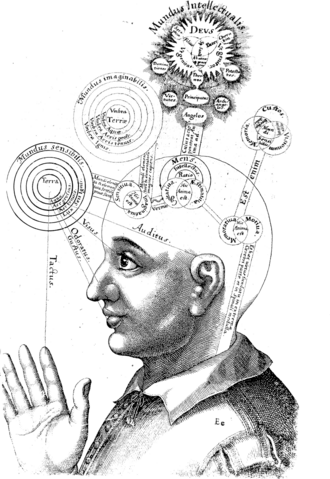
Consciousness is being aware of something internal to one's self or of states or objects in one's external environment. It has been the topic of extensive explanations, analyses, and debate among philosophers, scientists, and theologians for millennia. There is no consensus on what exactly needs to be studied, or even if consciousness can be considered a scientific concept. In some explanations, i

More by Consciousness

View all →
Quote
"We declare the following: “The absence of a neocortex does not appear to preclude an organism from experiencing affective states. Convergent evidence indicates that non-human animals have the neuroanatomical, neurochemical, and neurophysiological substrates of conscious states along with the capacity to exhibit intentional behaviors. Consequently, the weight of evidence indicates that humans are not unique in possessing the neurological substrates that generate consciousness. Nonhuman animals, including all mammals and birds, and many other creatures, including octopuses, also possess these neurological substrates.”"
ConsciousnessConsciousness