Quote
"No one is useless in this world, retorted the Secretary, who lightens the burden of it for any one else."
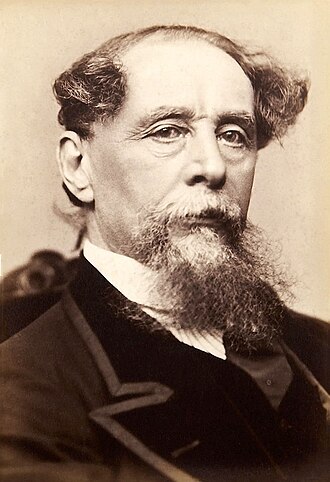 Charles Dickens
"The system here, is rigid, strict, and hopeless solitary confinement... I believe that very few men are capable of estimating the immense amount of torture and agony which this dreadful punishment, prolonged for years, inflicts upon the sufferers... I hold this slow and daily tampering with the mysteries of the brain, to be immeasurably worse than any torture of the body: and because its ghastly signs and tokens are not so palpable to the eye and sense of touch as scars upon the flesh; because its wounds are not upon the surface, and it extorts few cries that human ears can hear; therefore I the more denounce it, as a secret punishment which slumbering humanity is not roused up to stay"
Charles John Huffam Dickens was an English writer and journalist. He created some of literature's best-known fictional characters, and is regarded by many as the greatest novelist of the Victorian era. His works enjoyed unprecedented popularity during his lifetime and, by the 20th century, critics and scholars had recognised him as a literary genius. His novels and short stories are widely read to
"No one is useless in this world, retorted the Secretary, who lightens the burden of it for any one else."
Charles Dickens"I put a New Testament among your books, for the very same reasons, and with the very same hopes that made me write an easy account of it for you, when you were a little child; because it is the best book that ever was or will be known in the world, and because it teaches you the best lessons by which any human creature who tries to be truthful and faithful to duty can possibly be guided. As your brothers have gone away, one by one, I have written to each such words as I am now writing to you, and have entreated them all to guide themselves by this book, putting aside the interpretations and inventions of men."
Charles Dickens"I was present, myself, at the execution of Courvoisier. I was, purposely, on the spot, from midnight of the night before; and was a near witness of the whole process of the building of the scaffold, the gathering of the crowd, the gradual swelling of the concourse with the coming-on of day, the hanging of the man, the cutting of the body down, and the removal of it into the prison. From the moment of my arrival, when there were but a few score boys in the street, and those all young thieves, and all clustered together behind the barrier nearest to the drop – down to the time when I saw the body with its dangling head, being carried on a wooden bier into the gaol – I did not see one token in all the immense crowd; at the windows, in the streets, on the house-tops, anywhere; of any one emotion suitable to the occasion. No sorrow, no salutary terror, no abhorrence, no seriousness; nothing but ribaldry, debauchery, levity, drunkenness, and flaunting vice in fifty other shapes. I should have deemed it impossible that I could have ever felt any large assemblage of my fellow-creatures to be so odious."
Charles Dickens"Mr. Augustus Minns was a bachelor, of about forty as he said — of about eight-and-forty as his friends said. He was always exceedingly clean, precise, and tidy: perhaps somewhat priggish, and the most retiring man in the world."
Charles Dickens"There were two classes of created objects which he held in the deepest and most unmingled horror: they were, dogs and children. He was not unamiable, but he could at any time have viewed the execution of a dog, or the assassination of an infant, with the liveliest satisfaction. Their habits were at variance with his love of order; and his love of order, was as powerful as his love of life."
Charles Dickens"(Carmine Crocco) In such a crowd, so numerous and composed of such heterogeneous elements, it might have appeared almost absurd to look for discipline; but perfect discipline there was, for, whatever his other qualities might be, Crocco most undoubtedly was a "ruler of men". His word in that band was law, and the punishment of disaffection was death."
Charles Dickens