Quote
"Power, like a desolating pestilence, Pollutes whateer it touches; and obedience, Bane of all genius, virtue, freedom, truth, Makes slaves of men, and of the human frame A mechanized automaton."
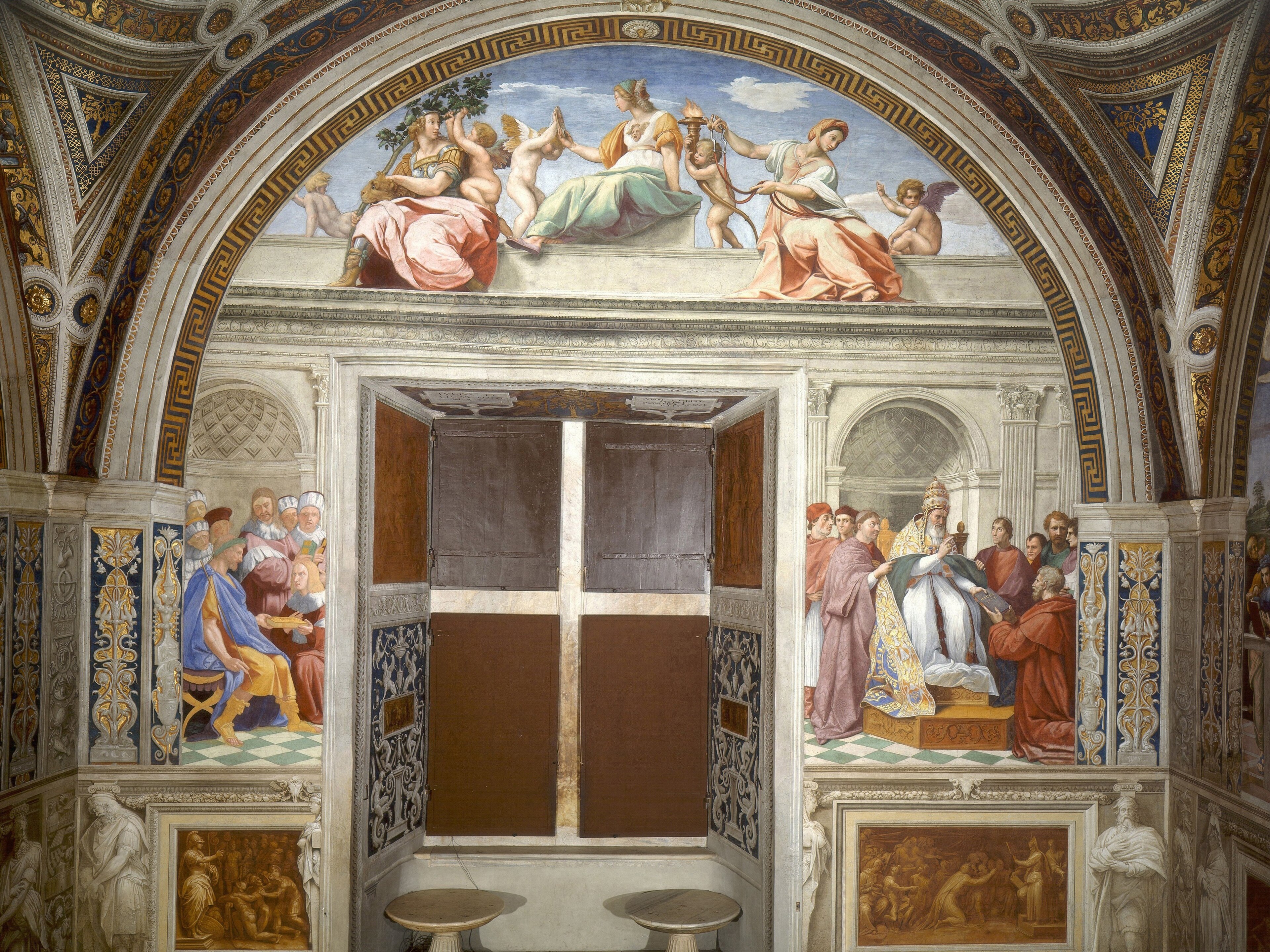 Virtue
"Virtue itself does not have the same characteristics for all; we see good and evil change according to opinions and usages."
A virtue is a trait of excellence, including traits that may be moral, social, or intellectual. The cultivation and refinement of virtue is held to be the "good of humanity" and thus is valued as an end purpose of life or a foundational principle of being. In human practical ethics, a virtue is a disposition to choose actions that succeed in showing high moral standards: doing what is said to be r
"Power, like a desolating pestilence, Pollutes whateer it touches; and obedience, Bane of all genius, virtue, freedom, truth, Makes slaves of men, and of the human frame A mechanized automaton."
Virtue"We cannot have right virtue without right conditions."
Virtue"People who are eccentric enough to be quite seriously virtuous understand each other everywhere, discover each other easily, and form a silent opposition to the ruling immorality that happens to pass for morality."
Virtue"If he [Anthony] heard of a good man anywhere, like the prudent bee, he went forth and sought him, nor turned back to his own palace until he had seen him; and he returned, having got from the good man as it were supplies for his journey in the way of virtue."
Virtue"Virtue will have greater claims To love, than rank with vice combind."
Virtue"As the saints and prophets were often forced to practise long vigils and fastings and prayers before their ecstasies would fall upon them and their visions would appear, so Virtue in its purest and most exalted form can only be acquired by means of severe and long continued culture of the mind. Persons with feeble and untrained intellects may live according to their conscience; but the conscience itself will be defective. … To cultivate the intellect is therefore a religious duty; and when this truth is fairly recognized by men, the religion which teaches that the intellect should be distrusted and that it should be subservient to faith, will inevitably fall."
Virtue"Some people think, Swami calls himself a powerful magnet, but He is unable to attract us. The fault lies in them only."
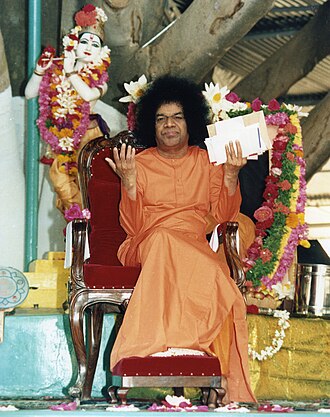 Sathya Sai Baba
"All that you have suffered... I would gladly have borne myself to keep it from you."
"One must indeed be ignorant of the methods of genius to suppose that it allows itself to be cramped by forms. Forms are for mediocrity, and it is fortunate that mediocrity can act only according to routine. Ability takes its flight unhindered."
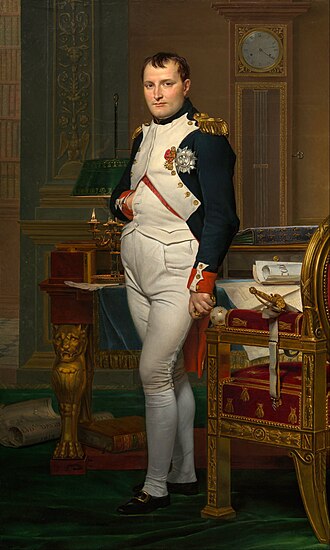 Napoleon
"Attila conceived himself to have a divine claim to the dominion of the earth: — the Spaniards subdued the Indians under plea of converting them to Christianity; hanging thirteen refractory ones in honour of Jesus Christ and his apostles: and we English justify our colonial aggressions by saying that the Creator intends the Anglo-Saxon race to people the world! An insatiate lust of conquest transmutes manslaying into a virtue; and, amongst more races than one, implacable revenge has made assassination a duty. A clever theft was praiseworthy amongst the Spartans; and it is equally so amongst Christians, provided it be on a sufficiently large scale. Piracy was heroism with Jason and his followers; was so also with the Norsemen; is so still with the Malays; and there is never wanting some golden fleece for a pretext. Amongst money-hunting people a man is commended in proportion to the number of hours he spends in business; in our day the rage for accumulation has apotheosized work; and even the miser is not without a code of morals by which to defend his parsimony. The ruling classes argue themselves into the belief that property should be represented rather than person — that the landed interest should preponderate. The pauper is thoroughly persuaded that he has a right to relief. The monks held printing to be an invention of the devil; and some of our modern sectaries regard their refractory brethren as under demoniacal possession. To the clergy nothing is more obvious than that a state-church is just, and essential to the maintenance of religion. The sinecurist thinks himself rightly indignant at any disregard of his vested interests. And so on throughout society."
"I told myself that I could soon start to relish the state of being alone […], only to find as usual that I was stuck with myself.[…] Twos company, which is bad enough in all conscience, but ones a crowd."
"Every friend says, “I am your friend, too,” but some friends are only friends in name. Is it not a deadly grief when a companion or friend turns into an enemy? O evil intention! From where have you sprung, to cover the earth with deceit? One kind of comrade takes advantage of his friend’s good fortune; in time of trouble he turns against him. Another kind shares his friend’s suffering, for the sake of a meal; when it comes to a fight, he thinks only of saving himself. Do not neglect a friend or forget him once you are wealthy."