Quote
"She saw that in all wars, the first stage was to dehumanize the enemy, reduce the enemy to a lower level so that he might be killed without compunction. When the enemy was not human to begin with, the task was easier."
G
Greg Bear"We were innocent and did not know that the price of freedom—of individuality—is attention to politics, careful planning, careful organization; philosophy is no more a barrier against political disaster than it is against plague."
Gregory Dale Bear was an American science fiction writer. His work covered themes of conflict, consciousness, and accelerated evolution. The Forge of God and Anvil of Stars established his reputation. As time went on these works were rolled into lengthier trilogies and series. Along with Forge, popular series have included parallel universes in The Way and evolutionary themes in Darwin's Children.
"She saw that in all wars, the first stage was to dehumanize the enemy, reduce the enemy to a lower level so that he might be killed without compunction. When the enemy was not human to begin with, the task was easier."
"Were not prophets. Were not here to inform the rich people of the world on how to make more money, or to inform governments on how to direct themselves. We are here to allow you to dream your dreams and make them happen, and have your nightmares a little in advance so you can prevent them from happening."
"“Being scared is nothing,” the old woman said. “Being bored, or ignorant—now that’s a crime.”"
"“Very evocative. He seems to be confirming what I said last year—that the universe really has no underpinnings, that when a good hypothesis comes along, one that explains the prior events, the underpinnings shape themselves to accommodate and a powerful theory is born.” “Then there is no ultimate reality?” “Apparently not. Bad hypotheses, those that don’t fit what happen on our level, are rejected by the universe. Good ones, powerful ones, are incorporated.”"
"You can find nearly anything human in Los Angeles, good and bad. I don’t think it would be workable as a city without mental therapy."
"There is nothing finer in the world than the telling of tales. Split atoms if you wish, but splitting an infinitive—and getting away with it—is far nobler. Lance boils if you wish, but pricking pretensions is often cleaner and always more fun."
"We have created a wealthy society with tens of millions of talented, resourceful individuals who play virtually no role whatsoever as citizens. Bringing these people in — with their networks of influence, their knowledge, and their resources — is the key to creating the capacity for shared intelligence that we need to solve our problems."
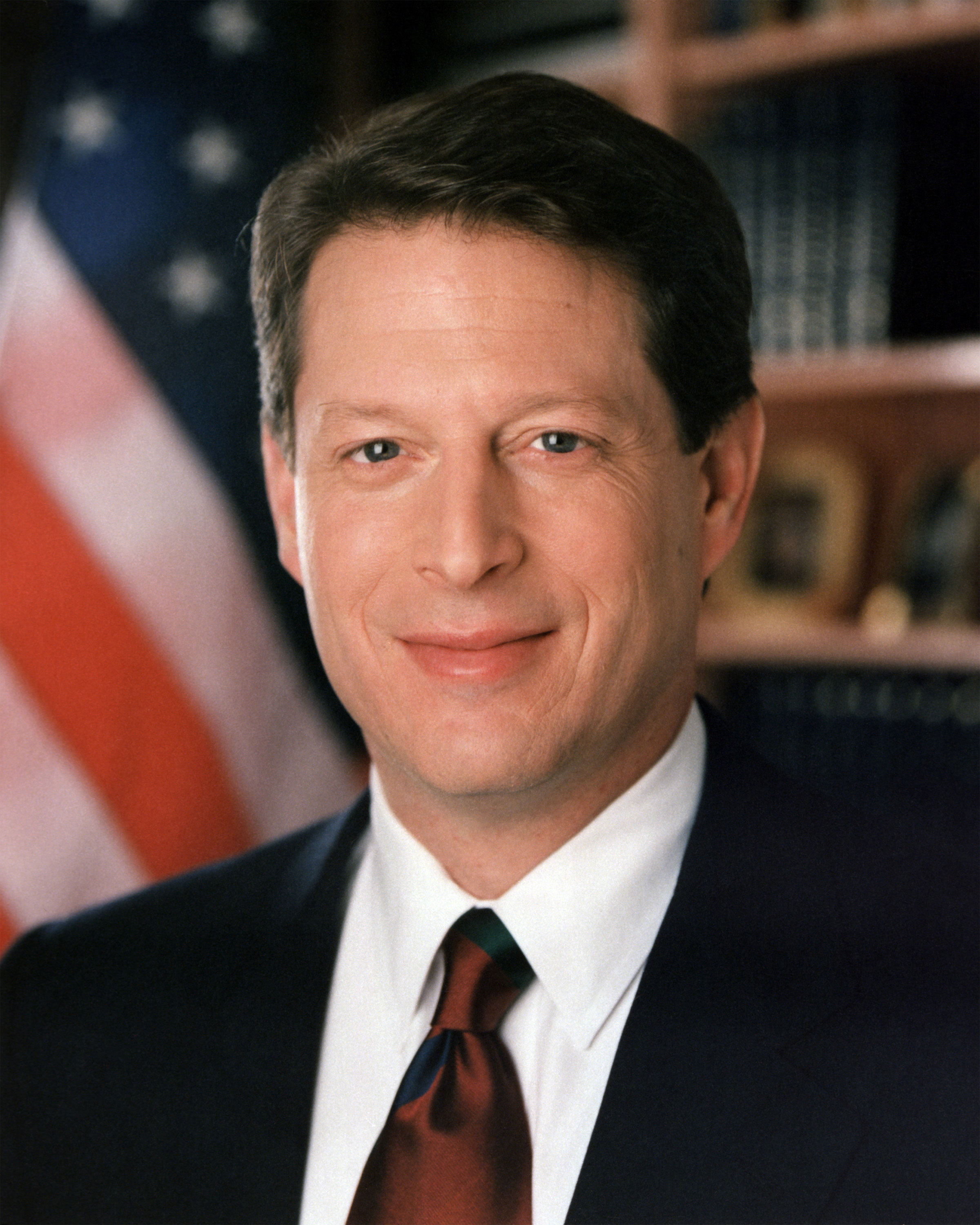 Al Gore
"As in respect of the first wonder we are all on the same level, how comes it that the philosophic mind should, in all ages, be the privilege of a few? The most obvious reason is this: The wonder takes place before the period of reflection, and (with the great mass of mankind) long before the individual is capable of directing his attention freely and consciously to the feeling, or even to its exciting causes. Surprise (the form and dress which the wonder of ignorance usually puts on) is worn away, if not precluded, by custom and familiarity."
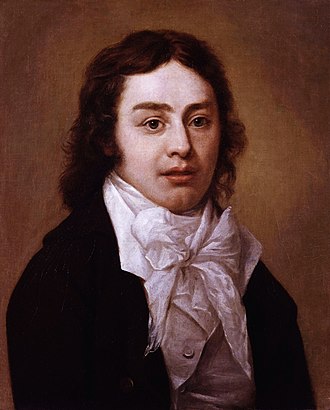 Samuel Taylor Coleridge
"The dualistic philosophy reigned supreme in Europe, dominating the development of Western science. But with the advent of atomic physics, findings based on demonstrable experiment were seen to negate the dualistic theory, and the trend of thought since then has been back to the monistic conception of the ancient Taoists."
"Under the rule of a repressive whole, liberty can be made into a powerful instrument of domination. The range of choice open to the individual is not the decisive factor in determining the degree of human freedom, but what can be chosen and what is chosen by the individual."
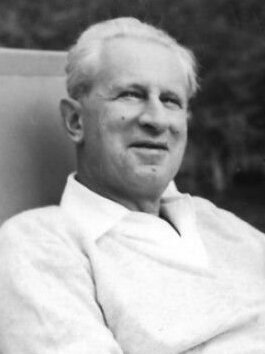 Herbert Marcuse
"All economic activity is carried out through time. Every individual economic process occupies a certain time, and all linkages between economic processes necessarily involve longer or shorter periods of time."
"I believe that the main lesson which our generation has learnt is that we must find a new limit for the activities of government, a limit which leaves ample scope for sensible experimentation but which secures the freedom of the individual as the mainspring of all social and political activity. The whole purpose of these lectures has been to suggest that we can find such a limit if we are willing to revive and develop the ancient ideal of the Rule of Law."