Quote
"Μακάριοι οἱ πτωχοὶ τῷ πνεύματι, ὅτι αὐτῶν ἐστιν ἡ βασιλεία τῶν οὐρανῶν"
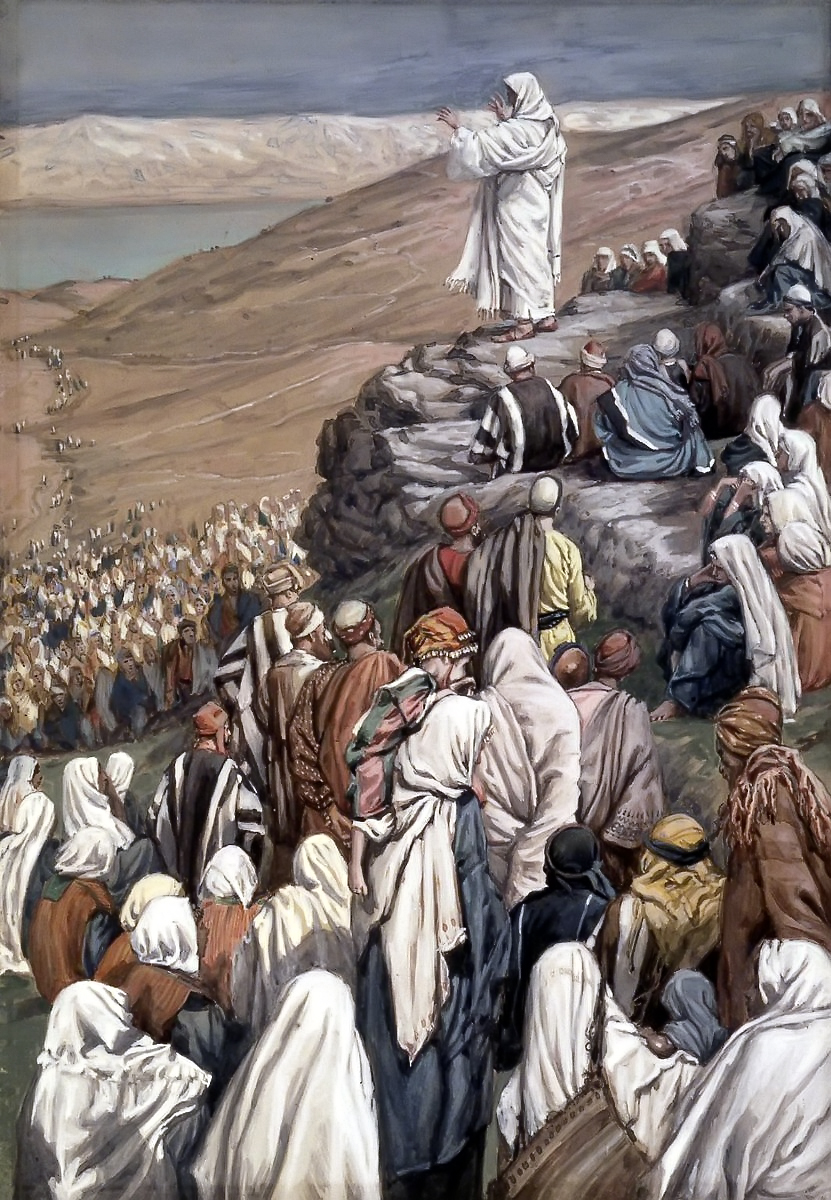 Beatitudes
"Whom, then, did the Master mean by the poor in spirit to whom the kingdom belongs?Not those who are rightly called "poor spirited." There ought to be no need of saying that, but there is, for some may still be found who consider crawling the Christians proper gait.There are men who fear to call their souls their own, and if they did, they would deceive—themselves. At times such men baptize their cowardice in holy water, name it humility, and tremble. ... They are not blessed. Their life is a creeping paralysis. Afraid to stand for their convictions, they end by having no convictions to stand to."
The Beatitudes are eight or nine blessings recounted by Jesus in Matthew 5:3–10 within the Sermon on the Mount in the Gospel of Matthew, and four in the Sermon on the Plain in the Gospel of Luke, followed by four woes which mirror the blessings.
"Μακάριοι οἱ πτωχοὶ τῷ πνεύματι, ὅτι αὐτῶν ἐστιν ἡ βασιλεία τῶν οὐρανῶν"
Beatitudes"The way to deeper knowledge of God is through the lonely valleys of soul poverty and abnegation of all things. The blessed ones who possess the Kingdom are they who have repudiated every external thing and have rooted from their hearts all sense of possessing. These are the "poor in spirit." They have reached an inward state paralleling the outward circumstances of the common beggar in the streets of Jerusalem; that is what the word "poor" as Christ used it actually means. These blessed poor are no longer slaves to the tyranny of things. They have broken the yoke of the oppressor; and this they have done not by fighting but by surrendering. Though free from all sense of possessing, they yet possess all things. "Theirs is the kingdom of heaven."
Beatitudes