Quote
"Gentlemen, no fighting please. This is, after all, a council of war. (p. 26)"
 Discworld
"Wishes needed thought. She was never likely to say, out loud, “I wish that I could marry a handsome prince,” but knowing that if you did you’d probably open the door to find a stunned prince, a tied-up priest and a Nac Mac Feegle grinning cheerfully and ready to act as Best Man definitely made you watch what you said."
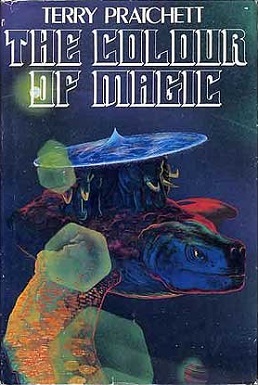
Discworld is a collection of fantasy comedy novels, graphic novels, short stories, and associated works conceived and primarily written by the English author Terry Pratchett. They are united by their being set on the Discworld, a flat planet balanced on the backs of four elephants which in turn stand on the back of a giant turtle. The novel series consists of forty-one books, the first being The C
"Gentlemen, no fighting please. This is, after all, a council of war. (p. 26)"
Discworld"The big trouble," he added, "is that everyone wants someone else to read their minds for them and then make the world work properly. (p. 227)"
Discworld"The class was learning about some revolt in which some peasants had wanted to stop being peasants and, since the nobles had won, had stopped being peasants really quickly. (p. 39)"
Discworld"No tortoise had ever done this before. No tortoise in the whole universe. But no tortoise had ever been a god, and knew the unwritten motto of the Quisition: Cuius testiculos habes, habeas cardia et cerebellum."
Discworld"Lord Vetinari represented stability. It was a cold and clinical kind of stability, but part of his genius was the discovery that stability was what people wanted more than anything else."
Discworld"And there, right there, was the drawback of being a witch. Here was a person whose mere existence had led Tiffany, one evening, to wonder about that whole business of sticking pins into a wax figure. She hadn’t actually done it, because it was some thing that you shouldn’t do, something that witches greatly frowned on, and because it was cruel and dangerous, and above all because she hadn’t been able to find any pins."
Discworld"I appeal to all pupils, students and young people, asking you to focus on the horizons that are opening up for you, and which you could only dream of a year ago. Our future will depend on your desire for education and moral values as well as on your entrepreneurial spirit."
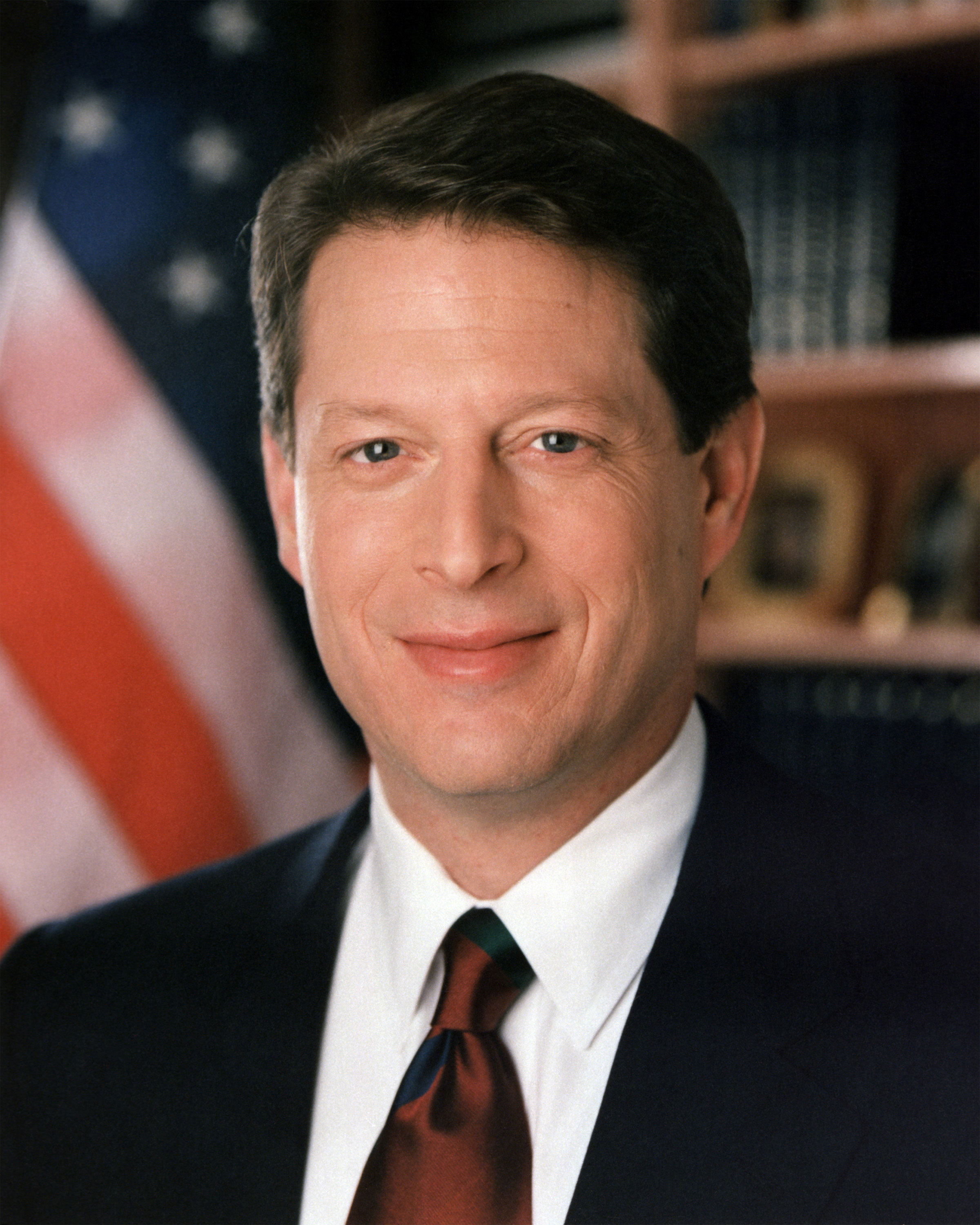
"We have created a wealthy society with tens of millions of talented, resourceful individuals who play virtually no role whatsoever as citizens. Bringing these people in — with their networks of influence, their knowledge, and their resources — is the key to creating the capacity for shared intelligence that we need to solve our problems."
 Al Gore
"We are shocked when we see educators, timid before criticism and confused about first principles, betray their trust. And we wonder what can be that philosophy of education which believes that young people can be trained to the duties of citizenship by wrapping their minds in cotton wool."
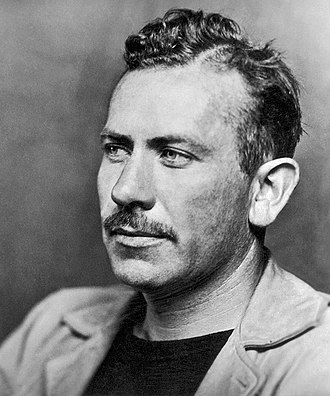
"I cant read ten pages of Steinbeck without throwing up. I couldnt read the proletarian crap that came out in the 30s; again you had sentimentalism — the poor oppressed workers."
 John Steinbeck
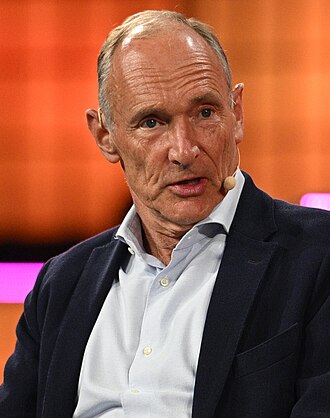
"An [hypertext] encyclopaedia will be an overall attempt by the knowledgeable, the learned societies or anyone else, to represent the state-of-the-art in their field. An encyclopaedia will be a living document, as up to date as it can be, instantly accessible at any time. It will contain carefully authored explanations and summaries of the subject, as well as computer-generated indexes of literature. A reference to a paper from the encyclopaedia conveys authority and acceptance by academic society. A measure of a paper’s standing may be conveyed by the number of links it is away from an encyclopaedia."
 Tim Berners-Lee
"One of the first major steps in the direction of modern skepticism came through the victory of Occam over Aquinas in a controversy about language. The statement that modi essendi were replaced by modi significandi et intelligendi, or that ontological referents were abandoned in favor of pragmatic significations, describes broadly the change in philosophy which continues to our time. From Occam to Bacon, from Bacon to Hobbes, and from Hobbes to contemporary semanticists, the progression is clear: ideas become psychological figments, words become useful signs. ... To one completely committed to this realm of becoming, as are the empiricists, the claim to apprehend verities is a sign of . Probably we have here but a highly sophisticated expression of the doctrine that ideals are hallucination and that the only normal, sane person is the healthy extrovert, making instant, instinctive adjustments to the stimuli of the material world."