Quote
"The greater the industrial and political organization, the greater is the emphasis on the individual as a mere mass unit, and the smaller his importance as a single separate person."
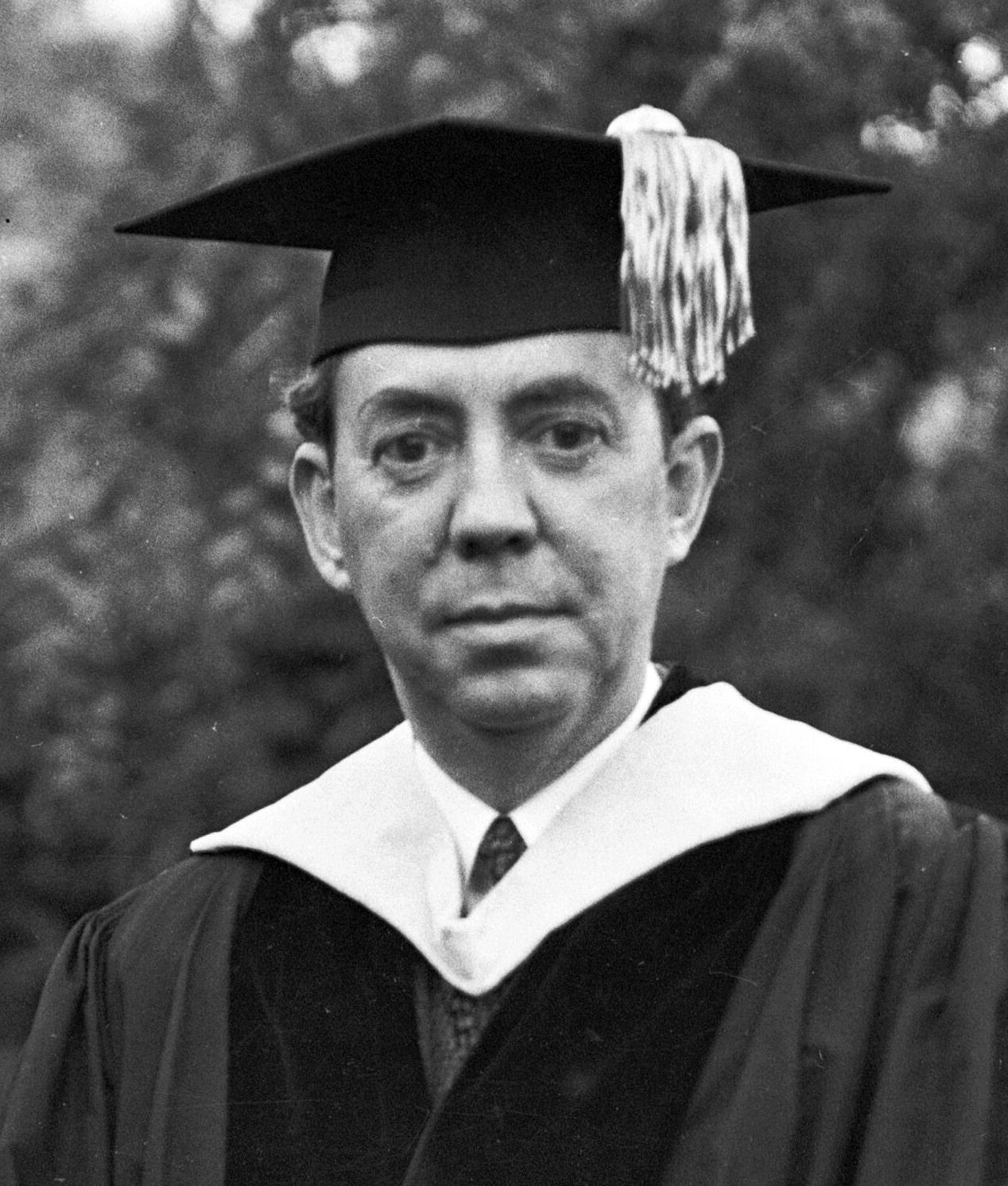 Everett Dean Martin
Everett Dean Martin
Everett Dean Martin
Everett Dean Martin was an American minister, writer, journalist, instructor, lecturer, social psychologist, social philosopher, and an advocate of adult education. He was an instructor and lecturer at The New School for Social Research in New York City from 1921 to 1929, and served on the board of directors of The New School from 1925 to 1932. He was the final director of the People's Institute o
"The greater the industrial and political organization, the greater is the emphasis on the individual as a mere mass unit, and the smaller his importance as a single separate person."
Everett Dean Martin"When we think we are most free our opinions and our behavior are being skillfully manipulated by persons operating behind the scenes."
Everett Dean Martin"Individuality is a cultural achievement rather than a gift of nature. During the 19th century it was rather common for people to believe they were expressing their individuality by being "natural."
Everett Dean Martin"It is the place of liberal Christianity to state the supremacy of the everlasting ends of life over the means of living, of the believer over the thing believed, the man over the system, the worker over the product. We are not liberals because we believe less but because we believe more. We dare to believe without an infallible guarantee of the substance of our faith in a moral issue. It is not an historical opinion. Liberalism is not a new system of dogma, but a new point of view. ... The place of liberal Christianity is to restore to the moderm man his spiritual integrity."
Everett Dean Martin"The so-called natural sentiments of the average man are mostly the inherited prejudices of the once suppressed classes. The emphasis upon natural goodness is, psychologically speaking, unwillingness to submit such prejudices to wholesome self-criticism. Hence the democratic government tends to support each crowd in its delusion of infallibility. The crowd rationalizes its will to rule in terms of narrow and parochial ideas of righteousness and seeks to force conformity to such ideas upon all. The imagined vindication of the common mans notions of goodness is regarded as the ultimate triumph of righteousness. Hence democracy has always manifested a certain crusading spirit, and the democratic Utopia is envisaged as a sort of Roman peace with "righteousness" established by force rather than assent."
Everett Dean Martin"The propagandist merely wishes you to think as he does. The educator is more modest; he is so delighted if you think at all that he is willing to let you do so in your own way."
Everett Dean Martin