Quote
"The imitatio could take many forms; especially popular were those of idealizing poverty; selling ones possessions and begging for food, and ministering to the sick and the poor. These forms were highly gendered, because women generally did not have the option of casting off all social bonds and living hand to mouth, as did Franciscan monks. One has only to examine the careers of Francis (1182-1226) and St. Clare (1194-1253) to appreciate the difficulties such an ideal posed for women. Although St. Clare also extolled voluntary poverty and clung to it for her Rule, the move to enclose her nuns within a nunnery proved very hard to resist. Ministering to the sick and the poor, however, was an option that many religious women championed. In the Low Countries a group of religious women called Beguines, taking no permanent vows, ran schools and hospitals and pooled their money for the welfare of all in their communities. They organized as self-supporting communities, however, not bands of wandering friars. They are one of the best examples of how imitatio Christi could be imagined as a lifestyle for women."
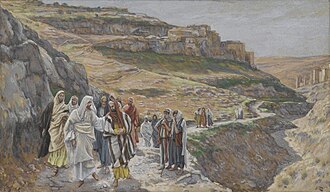 Imitation of Christ




