Quote
"According to Cato the Elder, Scipio Africanus was wont to say that he was never less at leisure than when at leisure, nor less lonely than when alone."
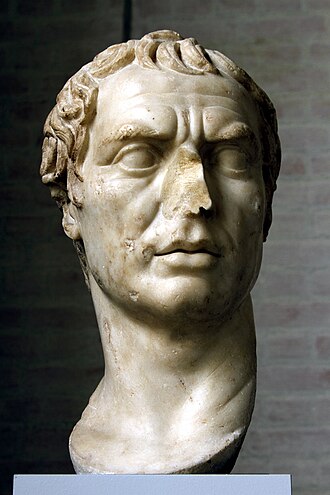 Scipio Africanus
Scipio Africanus
Scipio Africanus
Publius Cornelius Scipio Africanus was a Roman general and statesman who was one of the main architects of Rome's victory against Carthage in the Second Punic War. Often regarded as one of the greatest military commanders and strategists of all time, his greatest military achievement was the defeat of Hannibal at the Battle of Zama in 202 BC. This victory in Africa earned him the honorific epithet
"According to Cato the Elder, Scipio Africanus was wont to say that he was never less at leisure than when at leisure, nor less lonely than when alone."
Scipio Africanus"The art of generalship does not age, and it is because Scipios battles are richer in stratagems and ruses — many still feasible today — than those of any other commander in history that they are an unfailing object-lesson to soldiers."
Scipio Africanus"Ingrata patria, ne ossa quidem mea habes."
Scipio Africanus"Scipio had a clear grasp of what is just dawning on the mind of the world today — that the true national object in war, as in peace, is a more perfect peace. War is a result of a menace to this policy, and is undertaken to remove the menace, and by the subjugation of the will of a hostile State. "to change this adverse will into a compliance with our own policy, and the sooner and more cheaply in lives and money we can do this, the better chance of national prosperity in the widest sense. The aim of a nation in war is, therefore, to subdue the enemys will to resist with the least possible human and economic loss to itself."
Scipio Africanus"I am mindful of human weakness, and I reflect upon the might of Fortune and know that everything that we do is exposed to a thousand chances. But, just as I should admit that I were acting with arrogance and violence if, before I had crossed over to Africa, I were to reject you when you were voluntarily withdrawing from Italy and, while your army was already on shipboard, you were coming in person to sue for peace, so now, when I have dragged you to Africa, resisting and shifting ground as we almost came to blows, I am under no obligation to respect you. Therefore, if to the terms upon which peace was formerly about to be made, as it seemed, you are adding some kind of compensation for the ships loaded with supplies that were taken by force during the armistice, and for violence done to my envoys, I have reason to bring it before the council. But if that addition also seems too severe, prepare for war, since you have been unable to endure a peace [bellum parate, quoniam pacem pati non potuistis]."
Scipio Africanus"We cannot separate the nobility of Scipios moral conduct, throughout his career, from the transcendent clearness of his mental vision — they blended to form not only a great general but a great man."
Scipio Africanus




