Quote
"In the late nineteenth century other peoples sought to follow the Italian and German example. Some - notably the Irish and the Poles, to say nothing of Bengalis and other Indians - saw nationhood as an alternative to subjugation by unsympathetic empires. A few, like the Czechs, were content to pursue greater autonomy within an existing imperial structure, keeping hold of the Habsburg nurse for fear of meeting something worse. The situation of the Serbs was different. At the Congress of Berlin (1878), along with the Montenegrins, they had recovered their independence from Ottoman rule. By 1900 their ambitions were to follow the Piedmontese and Prussian examples by expanding in the name of South Slav (Yugoslav) national unity. But how were they to achieve this? One obvious possibility was through war, the Italian and German method. But the odds against Serbia were steep. It was one thing to win a war against the crumbling Ottoman Empire (as happened when Serbia joined forces with Montenegro, Bulgaria and Greece in 1912) or against rival Balkan states (when the confederates quarrelled over the spoils of victory the following year). It was an altogether bigger challenge to take on Austria-Hungary, which was not only a more formidable military opponent, but also happened to be the principal market for Serbias exports."
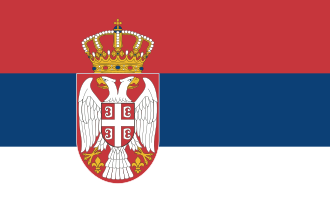 Serbia




