Quote
"Whoso committeth sin committeth it only against himself."
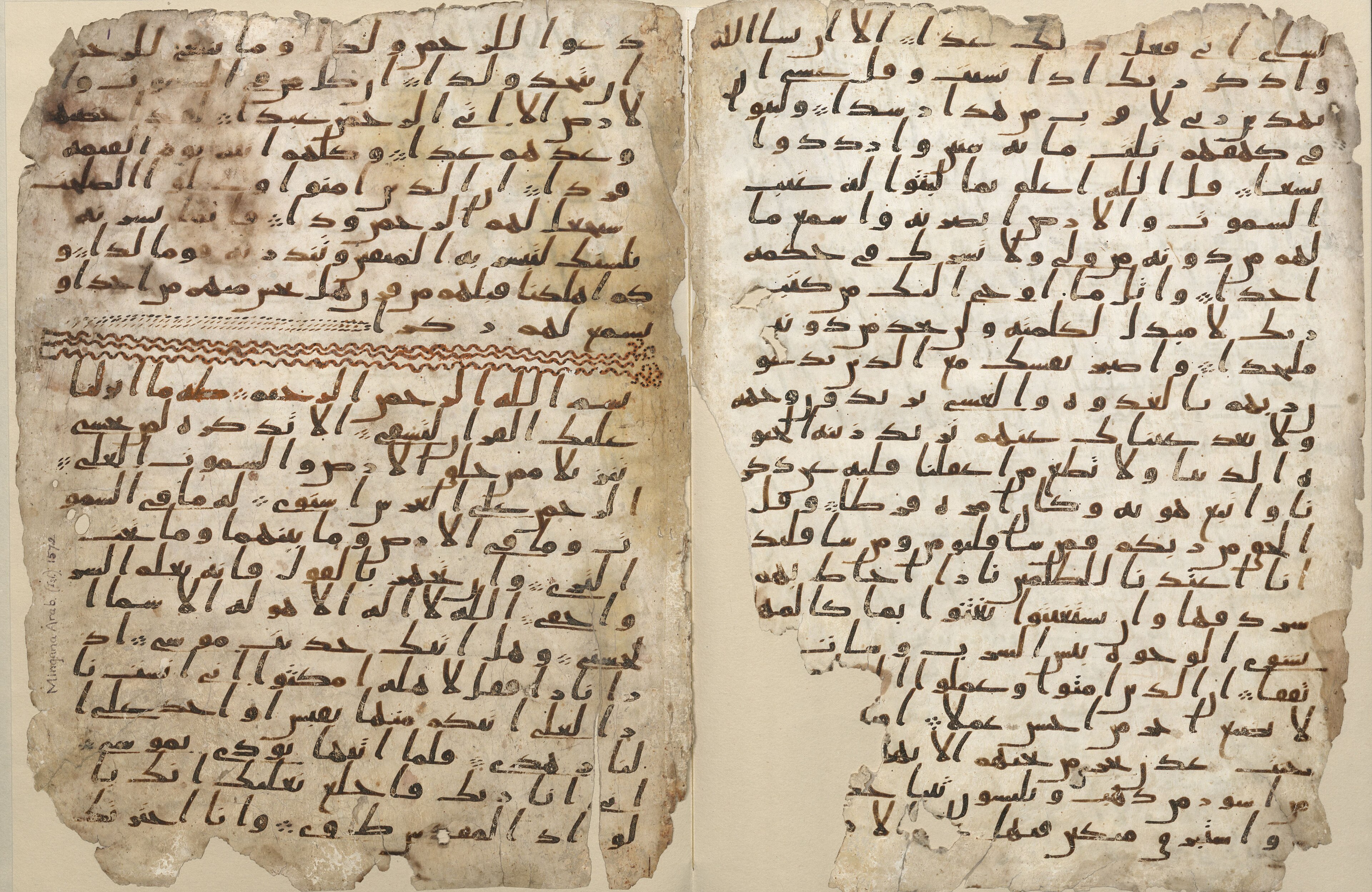 Quran
Quran"And when they commit an indecency they say: We found our fathers doing this, and Allah has enjoined it on us. Say: Surely Allah enjoins not indecency. Do you say of Allah what you know not? Say: My Lord enjoins justice. And set upright your faces at every time of prayer and call on Him, being sincere to Him in obedience. As He brought you into being, so shall you return. A party has He guided, and another party -- perdition is justly their due. Surely they took the devils for friends instead of Allah, and they think that they are rightly guided. O children of Adam, attend to your adornment at every time of prayer, and eat and drink and be not prodigal; surely He loves not the prodigals."
The Quran, also romanized Qur'an or Koran, is the central religious text of Islam, believed by Muslims to be a revelation directly from God (Allaah) It is organized in 114 chapters which consist of individual verses Besides its religious significance, it is widely regarded as the finest work in Arabic literature, and has significantly influenced the Arabic language
"Whoso committeth sin committeth it only against himself."
Quran"Ali: 10Those who unjustly eat up the property of orphans, eat up a Fire into their own bodies: They will soon be enduring a Blazing Fire!"
Quran"Ali: 3Follow (O men!) the revelation given unto you from your Lord, and follow not, as friends or protectors, other than Him. Little it is ye remember of admonition."
Quran"Pickthall: 3(Saying): Follow that which is sent down unto you from your Lord, and follow no protecting friends beside Him. Little do ye recollect!"
Quran"Muhammad is the Messenger of Allah ; and those with him are forceful against the disbelievers, merciful among themselves."
Quran"Whoso interveneth in a good cause will have the reward thereof, and whoso interveneth in an evil cause will bear the consequence thereof. Allah overseeth all things."
Quran"At one point a heated discussion arose over the possible interpretation of Lolita as a grandiose metaphor of the classic Europeans hopeless love for young, seductive, barbaric America. In his afterword to the novel Nabokov himself mentions this as the naive theory of one of the publishers who turned the book down. And although there cant be the slightest doubt that Nabokov did not mean to limit Lolita to that interpretation, there is no reason to exclude it as one of the novels many dimensions. The point, I felt, became obvious when one drew the line between Lolita as a delightfully frivolous story on the verge of pornography and Lolita as a literary masterpiece, the only convincing love story of our century."
 Lolita
"Lovely food, for rabbits, that is."
"One makes mistakes; that is life. But it is never a mistake to have loved."
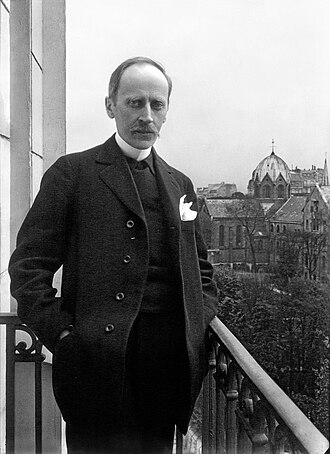 Romain Rolland
"[explaining to Ernie how April apologized to him] She just showed up at the factory, took off her coat, and begged me to take her. We made love in a way that Ive only ever seen in nature films."
 MouseHunt (film)
"Love is always love, come whence it may. A heart that beats at your approach, an eye that weeps when you go away are things so rare, so sweet, so precious that they must never be despised."
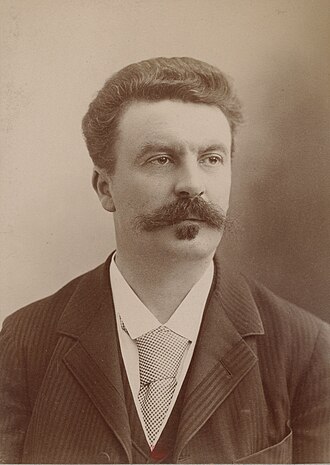 Guy de Maupassant
"He was obeyed, yet he inspired neither love nor fear, nor even respect. He inspired uneasiness. That was it! Uneasiness. Not a definite mistrust — just uneasiness — nothing more. You have no idea how effective such a... a... faculty can be. He had no genius for organizing, for initiative, or for order even. That was evident in such things as the deplorable state of the station. He had no learning, and no intelligence. His position had come to him — why? Perhaps because he was never ill . . . He had served three terms of three years out there . . . Because triumphant health in the general rout of constitutions is a kind of power in itself."