Quote
"Poor David Hume is dying very fast, but with great cheerfulness and good humour and with more real resignation to the necessary course of things then any whining Christian ever dyed with pretended resignation to the will of God."
A
Adam Smith"Every faculty in one man is the measure by which he judges of the like faculty in another. I judge of your sight by my sight, of your ear by my ear, of your reason by my reason, of your resentment by my resentment, of your love by my love. I neither have, nor can have, any other way of judging about them."
Adam Smith was a Scottish economist and philosopher who was a pioneer in the field of political economy and key figure during the Scottish Enlightenment. Seen by many as the "father of economics", or the "father of capitalism", he is primarily known for two classic works: The Theory of Moral Sentiments (1759) and An Inquiry into the Nature and Causes of the Wealth of Nations (1776). The latter, of
"Poor David Hume is dying very fast, but with great cheerfulness and good humour and with more real resignation to the necessary course of things then any whining Christian ever dyed with pretended resignation to the will of God."
"How selfish soever man may be supposed, there are evidently some principles in his nature, which interest him in the fortune of others, and render their happiness necessary to him, though he derives nothing from it except the pleasure of seeing it."
"The man of system, on the contrary, is apt to be very wise in his own conceit; and is often so enamoured with the supposed beauty of his own ideal plan of government, that he cannot suffer the smallest deviation from any part of it. He goes on to establish it completely and in all its parts, without any regard either to the great interests, or to the strong prejudices which may oppose it. He seems to imagine that he can arrange the different members of a great society with as much ease as the hand arranges the different pieces upon a chess-board. He does not consider that the pieces upon the chess-board have no other principle of motion besides that which the hand impresses upon them; but that, in the great chess-board of human society, every single piece has a principle of motion of its own, altogether different from that which the legislature might choose to impress upon it. If those two principles coincide and act in the same direction, the game of human society will go on easily and harmoniously, and is very likely to be happy and successful. If they are opposite or different, the game will go on miserably, and the society must be at all times in the highest degree of disorder."
"When I endeavour to examine my own conduct, when I endeavour to pass sentence upon it, and either to approve or condemn it, it is evident that, in all such cases, I divide myself, as it were, into two persons; and that I, the examiner and judge, represent a different character from that other I, the person whose conduct is examined into and judged of."
"When the happiness or misery of others depends in any respect upon our conduct, we dare not, as self–love might suggest to us, prefer the interest of one to that of many. The man within immediately calls to us, that we value ourselves too much and other people too little, and that, by doing so, we render ourselves the proper object of the contempt and indignation of our brethren. Neither is this sentiment confined to men of extraordinary magnanimity and virtue. It is deeply impressed upon every tolerably good soldier, who feels that he would become the scorn of his companions, if he could be supposed capable of shrinking from danger, or of hesitating, either to expose or to throw away his life, when the good of the service required it."
"In every part of the universe we observe means adjusted with the nicest artifice to the ends which they are intended to produce; and in the mechanism of a plant, or animal body, admire how every thing is contrived for advancing the two great purposes of nature, the support of the individual, and the propagation of the species."
"The wound is the place where the Light enters you."
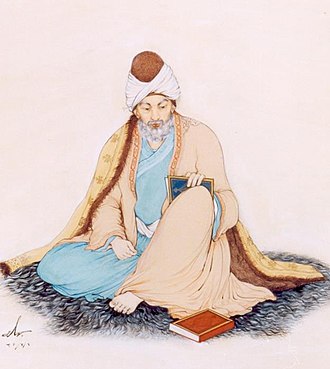 Rumi
Rumi"yes is a pleasant country... love is a deeper season than reason"
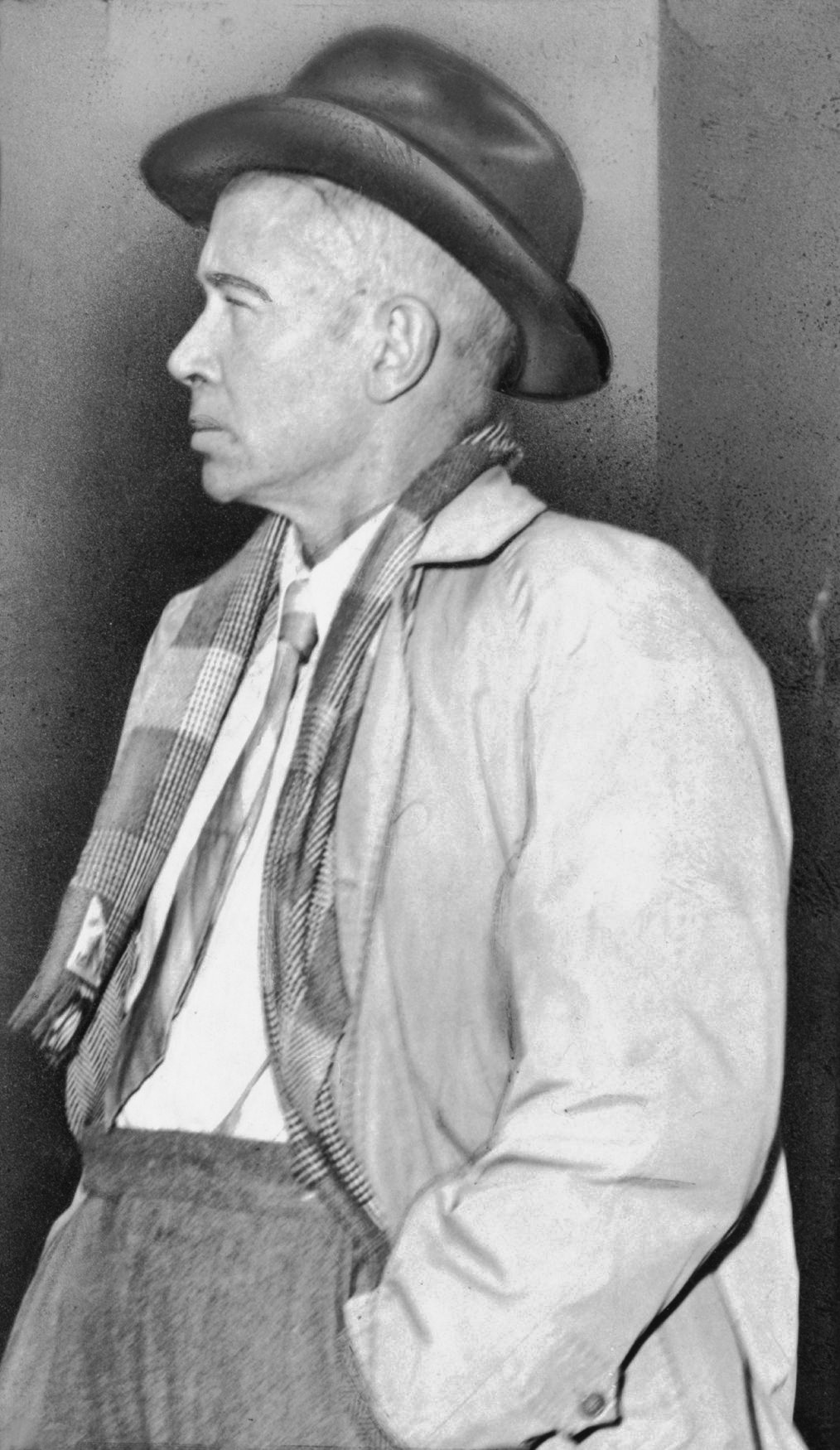 E. E. Cummings
"true lovers in each happening of their hearts live longer than all which and every who"
E. E. Cummings"What concerns me fundamentaly is a meteoric burlesk melodrama, born of the immemorial adage love will find a way."
E. E. Cummings"Who made you glorious as the gates of heaven Beneath the keen full moon? Who bade the sun Clothe you with rainbows? Who, with living flower Of loveliest blue, spread garlands at your feet? God! let the torrents, like a shout of nations, Answer! and let the ice-plains echo, God! God! sing, ye meadow-streams, with gladsome voice! Ye pine-groves, with your soft and soul-like sounds! And they too have a voice, yon piles of snow, And in their perilous fall shall thunder, God!"
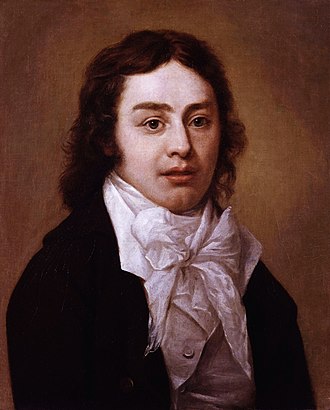 Samuel Taylor Coleridge
"Unchanged within, to see all changed without, Is a blank lot and hard to bear, no doubt. Yet why at others Wanings shouldst thou fret? Then only mightst thou feel a just regret, Hadst thou withheld thy love or hid thy light In selfish forethought of neglect and slight."
Samuel Taylor Coleridge