Quote
"This is that which We have revealed for the First Believer in Him Whom God shall make manifest, that it may serve as an admonition from Our presence unto all mankind."
B
Báb"If, however, thou art sailing upon the sea of creation, know thou that the First Remembrance, which is the Primal Will of God, may be likened unto the sun. God hath created Him through the potency of His might, and He hath, from the beginning that hath no beginning, caused Him to be manifested in every Dispensation through the compelling power of His behest, and God will, to the end that knoweth no end, continue to manifest Him according to the good-pleasure of His invincible Purpose."
The Báb was an Iranian religious leader who founded Bábism, and is also one of the central figures of the Baháʼí Faith. The Báb gradually and progressively revealed his claim in his extensive writings to be a Manifestation of God, of a status as great as Moses, Jesus, and Muhammad, receiving revelations as profound as the Torah, Gospel, and Quran. This new revelation, he claimed, would release the
"This is that which We have revealed for the First Believer in Him Whom God shall make manifest, that it may serve as an admonition from Our presence unto all mankind."
"Know thou of a certainty that every letter revealed in the Bayán is solely intended to evoke submission unto Him Whom God shall make manifest, for it is He Who hath revealed the Bayán prior to His Own manifestation."
"It behooveth you to proclaim the Cause of God unto all created things as a token of grace from His presence; no God is there but Him, the Most Generous, the All-Compelling."
"By My life! But for the obligation to acknowledge the Cause of Him Who is the Testimony of God … I would not have announced this unto thee... All the keys of heaven God hath chosen to place on My right hand, and all the keys of hell on My left..."
"The revelation of the Divine Reality hath everlastingly been identical with its concealment and its concealment identical with its revelation That which is intended by ‘Revelation of God’ is the Tree of divine Truth that betokeneth none but Him, and it is this divine Tree that hath raised and will raise up Messengers, and hath revealed and will ever reveal Scriptures From eternity unto eternity this Tree of divine Truth hath served and will ever serve as the throne of the revelation and concealment of God among His creatures, and in every age is made manifest through whomsoever He pleaseth At the time of the revelation of the Qur’án He asserted His transcendent power through the advent of Muhammad, and on the occasion of the revelation of the Bayán He demonstrated His sovereign might through the appearance of the Point of the Bayán, and when He Whom God shall make manifest will shine forth, it will be through Him that He will vindicate the truth of His Faith, as He pleaseth, with whatsoever He pleaseth and for whatsoever He pleaseth He is with all things, yet nothing is with Him He is not within a thing nor above it nor beside it Any reference to His being established upon the throne implieth that the Exponent of His Revelation is established upon the seat of transcendent authority He hath everlastingly existed and will everlastingly continue to exist He hath been and will ever remain inscrutable unto all men, inasmuch as all else besides Him have been and shall ever be created through the potency of His command He is exalted above every mention or praise and is sanctified beyond every word of commendation or every comparison No created thing comprehendeth Him, while He in truth comprehendeth all things Even when it is said ‘no created thing comprehendeth Him’, this refers to the Mirror of His Revelation, that is Him Whom God shall make manifest Indeed too high and exalted is He for anyone to allude unto Him"
"I render thanks and yield praise unto God for having been chosen by Him as the Exponent of His Cause in bygone days and in the days to come; there is none other God save Him, the Glorified, the All-Praised, the Ever-Abiding. Whatever is in the heavens and on the earth is His and through Him are we guided aright."
"[explaining to Ernie how April apologized to him] She just showed up at the factory, took off her coat, and begged me to take her. We made love in a way that Ive only ever seen in nature films."
 MouseHunt (film)
"All men suppose what is called Wisdom to deal with the first causes and the principles of things; so that, as has been said before, the man of experience is thought to be wiser than the possessors of any sense-perception whatever, the artist wiser than the men of experience, the masterworker than the mechanic, and the theoretical kinds of knowledge to be more of the nature of Wisdom than the productive."
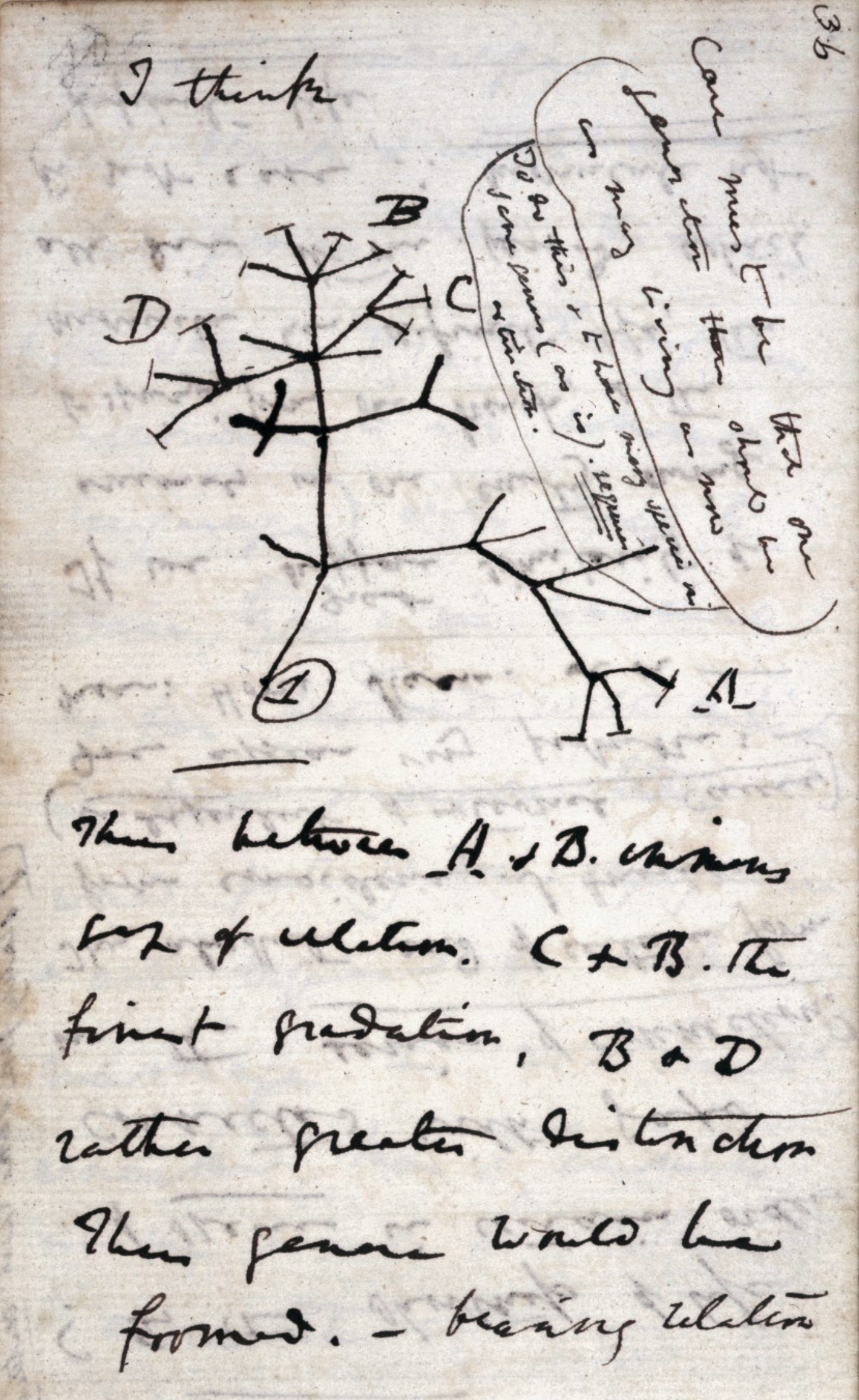 Theory
"The yarns of seamen have a direct simplicity, the whole meaning of which lies within the shell of a cracked nut. But Marlow was not typical (if his propensity to spin yarns be excepted), and to him the meaning of an episode was not inside like a kernel but outside, enveloping the tale which brought it out only as a glow brings out a haze, in the likeness of one of these misty halos that sometimes are made visible by the spectral illumination of moonshine."
"Going up that river was like traveling back to the earliest beginnings of the world, when vegetation rioted on the earth and the big trees were kings. An empty stream, a great silence, an impenetrable forest. The air was warm, thick, heavy, sluggish. There was no joy in the brilliance of sunshine. The long stretches of the waterway ran on, deserted, into the gloom of overshadowed distances."
"The intimate rapport with nature is one of the most precious things in life. Nature is indeed very close to us; sometimes closer than hands and feet, of which in truth she is but the extension. The emotional appeal of nature is tremendous, sometimes almost more than one can bear."
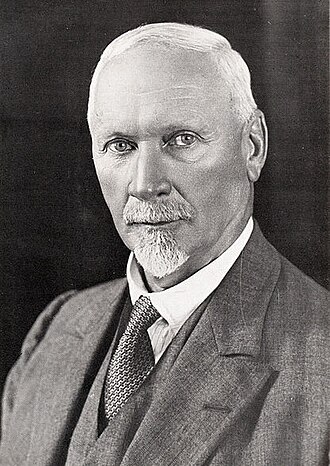 Jan Smuts
"Are people naturally destructive, immoral, predatory and self-seeking, only to be kept in order by harsh laws and fiercely deterrent mandatory sentences? Or are men and women naturally orderly, merciful, humane and bred with a need for justice and mutual aid? Of course these qualities, or defects, are not evenly distributed, and undoubtedly there is much of each in all of us, but when it comes to the law some sort of distinction can be drawn. Are you a Shylock or a Bassanio? Shylock pinned his faith on the words in the contract, the nature of his bond and the duty of the state to uphold the letter of the law regardless of human suffering. Bassanio put another point of view. More important than the sanctity of the law was the plight of the individual parties in the particular case."