Quote
"[W]ithout order there can be no society, and without society there can be no human perfection."
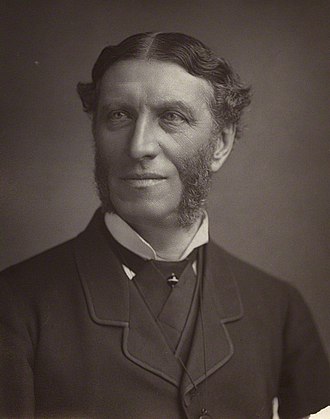 Matthew Arnold
"It does not try to reach down to the level of inferior classes; it does not try to win them for this or that sect of its own, with ready-made judgments and watchwords of its own. It seeks to do away with classes, to make the best that has been taught and known in the world current everywhere, to make all men live in an atmosphere of sweetness and light, where they may use ideas, as it uses them itself, freely—nourished, and not bound by them."
Matthew Arnold was an English poet and cultural critic. He was the son of Thomas Arnold, the headmaster of Rugby School, and brother of both Tom Arnold, literary professor, and William Delafield Arnold, novelist and colonial administrator. He has been characterised as a sage writer, a type of writer who chastises and instructs the reader on contemporary social issues. He was also an inspector of s
"[W]ithout order there can be no society, and without society there can be no human perfection."
Matthew Arnold"The power of the Latin classic is in character, that of the Greek is in beauty. Now character is capable of being taught, learnt, and assimilated: beauty hardly."
Matthew Arnold"All are before me! I behold The House, the Brotherhood austere! — And what am I, that I am here? For rigorous teachers seized my youth, And purged its faith, and trimmd its fire, Showd me the high, white star of Truth, There bade me gaze, and there aspire. Even now their whispers pierce the gloom: What dost thou in this living tomb?"
Matthew Arnold"Therefore to thee it was given Many to save with thyself; And, at the end of thy day, O faithful shepherd! to come, Bringing thy sheep in thy hand."
Matthew Arnold"Calm soul of all things! make it mine To feel, amid the city’s jar, That there abides a peace of thine, Man did not make, and cannot mar."
Matthew Arnold"Goethe in Weimar sleeps, and Greece, Long since, saw Byron’s struggle cease."
Matthew Arnold"I appeal to all pupils, students and young people, asking you to focus on the horizons that are opening up for you, and which you could only dream of a year ago. Our future will depend on your desire for education and moral values as well as on your entrepreneurial spirit."
"We have created a wealthy society with tens of millions of talented, resourceful individuals who play virtually no role whatsoever as citizens. Bringing these people in — with their networks of influence, their knowledge, and their resources — is the key to creating the capacity for shared intelligence that we need to solve our problems."
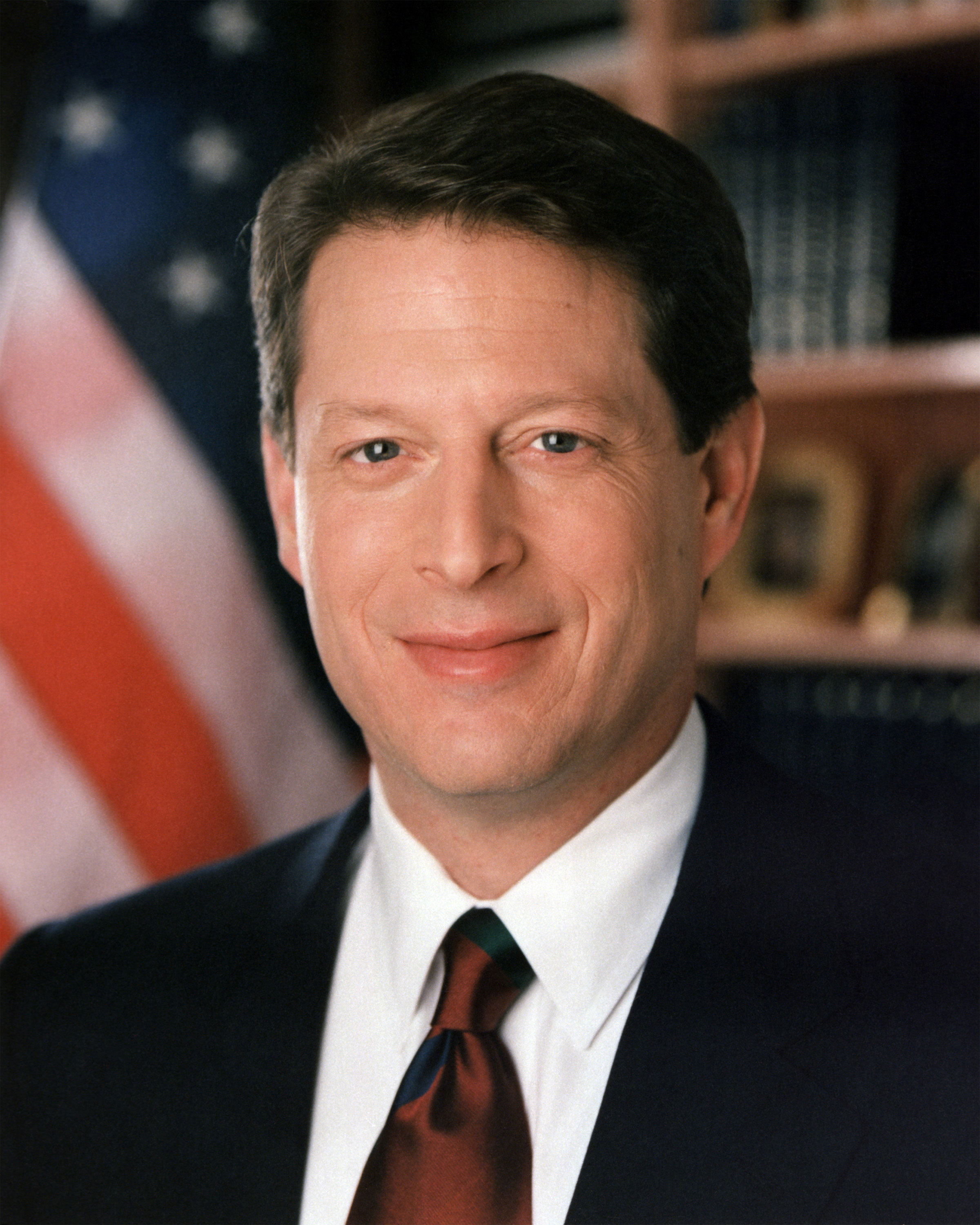 Al Gore
"We are shocked when we see educators, timid before criticism and confused about first principles, betray their trust. And we wonder what can be that philosophy of education which believes that young people can be trained to the duties of citizenship by wrapping their minds in cotton wool."
"I cant read ten pages of Steinbeck without throwing up. I couldnt read the proletarian crap that came out in the 30s; again you had sentimentalism — the poor oppressed workers."
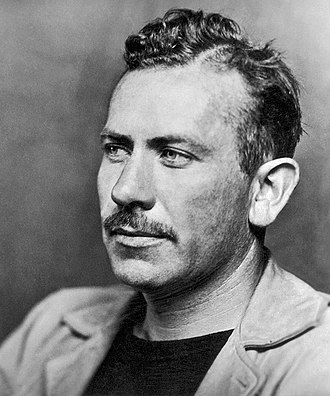 John Steinbeck
"An [hypertext] encyclopaedia will be an overall attempt by the knowledgeable, the learned societies or anyone else, to represent the state-of-the-art in their field. An encyclopaedia will be a living document, as up to date as it can be, instantly accessible at any time. It will contain carefully authored explanations and summaries of the subject, as well as computer-generated indexes of literature. A reference to a paper from the encyclopaedia conveys authority and acceptance by academic society. A measure of a paper’s standing may be conveyed by the number of links it is away from an encyclopaedia."
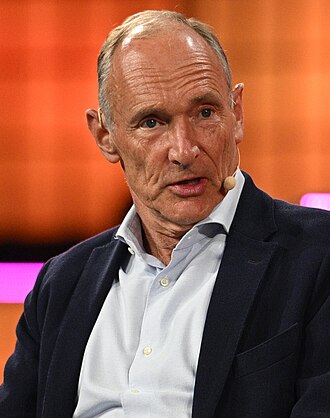 Tim Berners-Lee
"One of the first major steps in the direction of modern skepticism came through the victory of Occam over Aquinas in a controversy about language. The statement that modi essendi were replaced by modi significandi et intelligendi, or that ontological referents were abandoned in favor of pragmatic significations, describes broadly the change in philosophy which continues to our time. From Occam to Bacon, from Bacon to Hobbes, and from Hobbes to contemporary semanticists, the progression is clear: ideas become psychological figments, words become useful signs. ... To one completely committed to this realm of becoming, as are the empiricists, the claim to apprehend verities is a sign of . Probably we have here but a highly sophisticated expression of the doctrine that ideals are hallucination and that the only normal, sane person is the healthy extrovert, making instant, instinctive adjustments to the stimuli of the material world."