Quote
"The most important thing for a young man is to establish a credit — a reputation, character."
 John D. Rockefeller
"It is a common myth within capitalist thought that the individual through drive and hard work can become a capitalist. In the U.S.A., it is usual to refer to an individual like John D. Rockefeller, Sr., as someone who rose "from rags to riches." To complete the moral of the Rockefeller success story, it would be necessary to fill in the details on all the millions of people who had to be exploited in order for one man to become a multimillionaire. The acquisition of wealth is not due to hard work alone, or the Africans working as slaves in America and the West Indies would have been the wealthiest group in the world. The individualism of the capitalist must be seen against the hard and unrewarded work of the masses."
John Davison Rockefeller Sr. was an American businessman and philanthropist. He was one of the wealthiest Americans of all time and one of the richest people in modern history. Rockefeller was born into a large family in Upstate New York who moved several times before eventually settling in Cleveland, Ohio. He became an assistant bookkeeper at age 16 and went into several business partnerships beg
"The most important thing for a young man is to establish a credit — a reputation, character."
John D. Rockefeller"I do not think that there is any other quality so essential to success of any kind as the quality of perseverance. It overcomes almost everything, even nature."
John D. Rockefeller"It is wrong to assume that men of immense wealth are always happy."
John D. Rockefeller"I was early taught to work as well as play, My life has been one long, happy holiday; Full of work and full of play — I dropped the worry on the way — And God was good to me every day."
John D. Rockefeller"I know of nothing more despicable and pathetic than a man who devotes all the hours of the waking day to the making of money for moneys sake."
John D. Rockefeller"The impression was gaining ground with me that it was a good thing to let the money be my slave and not make myself a slave to money."
John D. Rockefeller"We have created a wealthy society with tens of millions of talented, resourceful individuals who play virtually no role whatsoever as citizens. Bringing these people in — with their networks of influence, their knowledge, and their resources — is the key to creating the capacity for shared intelligence that we need to solve our problems."
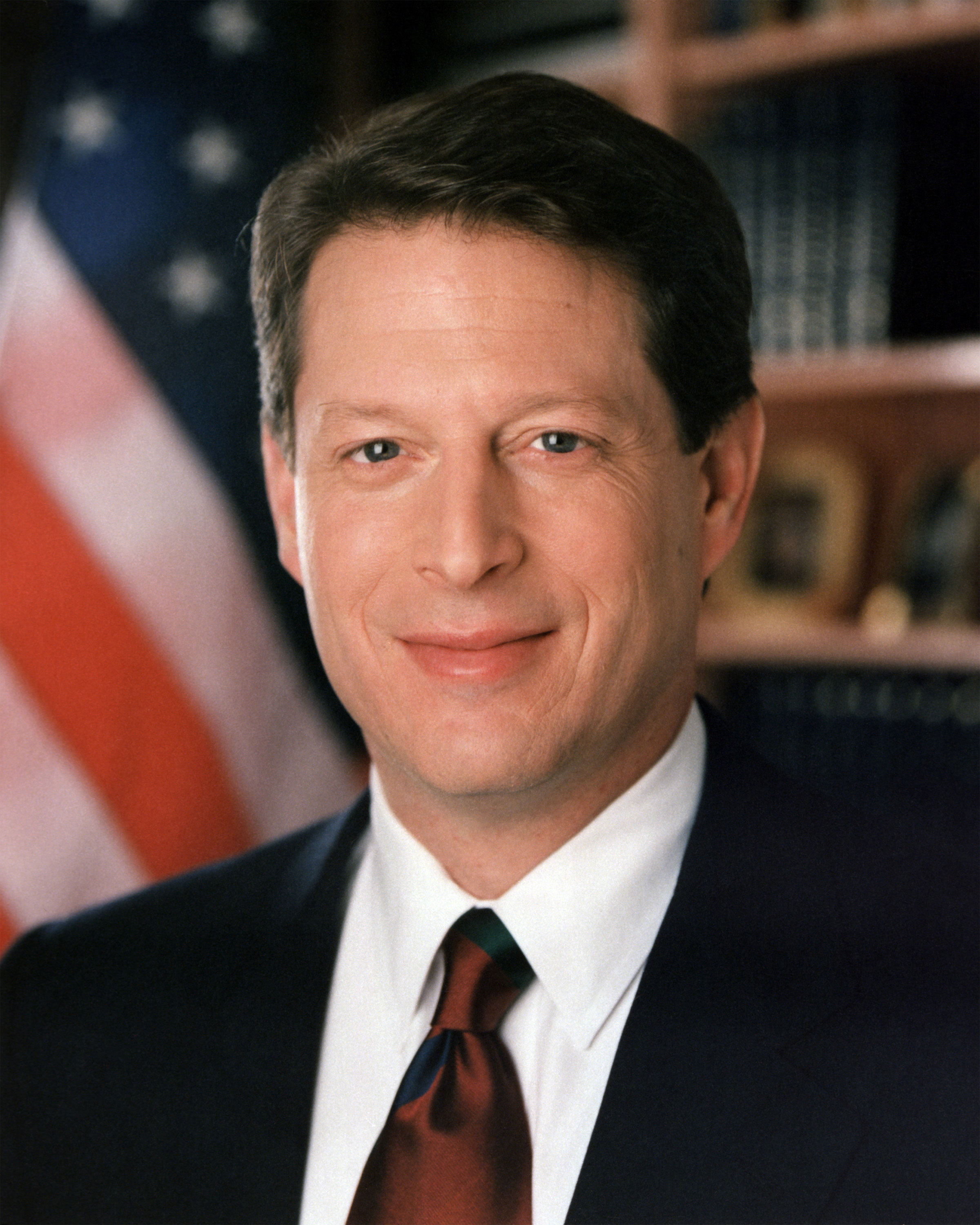 Al Gore
"As in respect of the first wonder we are all on the same level, how comes it that the philosophic mind should, in all ages, be the privilege of a few? The most obvious reason is this: The wonder takes place before the period of reflection, and (with the great mass of mankind) long before the individual is capable of directing his attention freely and consciously to the feeling, or even to its exciting causes. Surprise (the form and dress which the wonder of ignorance usually puts on) is worn away, if not precluded, by custom and familiarity."
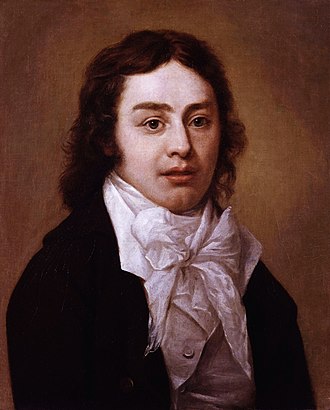 Samuel Taylor Coleridge
"The dualistic philosophy reigned supreme in Europe, dominating the development of Western science. But with the advent of atomic physics, findings based on demonstrable experiment were seen to negate the dualistic theory, and the trend of thought since then has been back to the monistic conception of the ancient Taoists."
"Under the rule of a repressive whole, liberty can be made into a powerful instrument of domination. The range of choice open to the individual is not the decisive factor in determining the degree of human freedom, but what can be chosen and what is chosen by the individual."
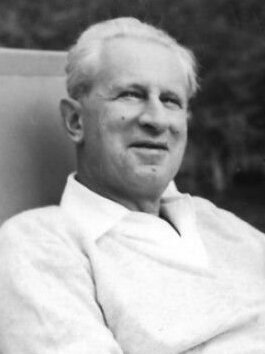 Herbert Marcuse
"All economic activity is carried out through time. Every individual economic process occupies a certain time, and all linkages between economic processes necessarily involve longer or shorter periods of time."
"I believe that the main lesson which our generation has learnt is that we must find a new limit for the activities of government, a limit which leaves ample scope for sensible experimentation but which secures the freedom of the individual as the mainspring of all social and political activity. The whole purpose of these lectures has been to suggest that we can find such a limit if we are willing to revive and develop the ancient ideal of the Rule of Law."