Quote
"Untie, liberate, and do not be afraid. He who is free is disarmed."
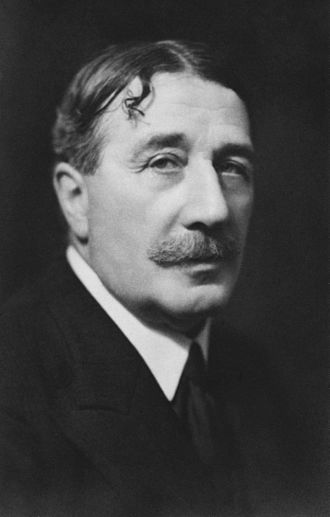 Émile Chartier
"It is very true that we ought to think of the happiness of others; but it is not often enough said that the best thing we can do for those who love us is to be happy ourselves."
Émile-Auguste Chartier, commonly known as Alain, was a French philosopher, journalist, essayist, pacifist, and teacher of philosophy.
"Untie, liberate, and do not be afraid. He who is free is disarmed."
Émile Chartier"When the pack is out hunting, the dogs do not fight among themselves."
Émile Chartier"Work is the best and worst of all things; the best of it is voluntary, the worst of it is servile."
Émile Chartier"Every menial condition is bearable as long as one can exercise authority over ones work and be assured that the job is permanent."
Émile Chartier"We are advised and led along by second-rate moralists who only know how to work themselves into a delirium and pass their illness onto others."
Émile Chartier"May the Gods, if they did not die of boredom, never give you one of those flat kingdoms to govern; may lead you through mountain paths; may they give you for a companion a good Andalusian mule with eyes like wells, a brow like an anvil, and who stops dead in his tracks because he sees the shadow his ears make on the road in front of him."
Émile Chartier"The wound is the place where the Light enters you."
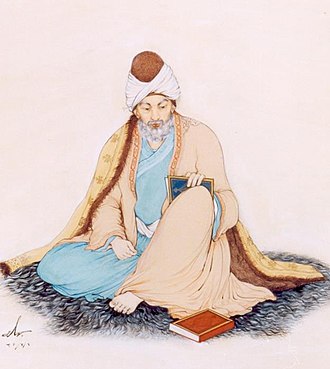 Rumi
Rumi"yes is a pleasant country... love is a deeper season than reason"
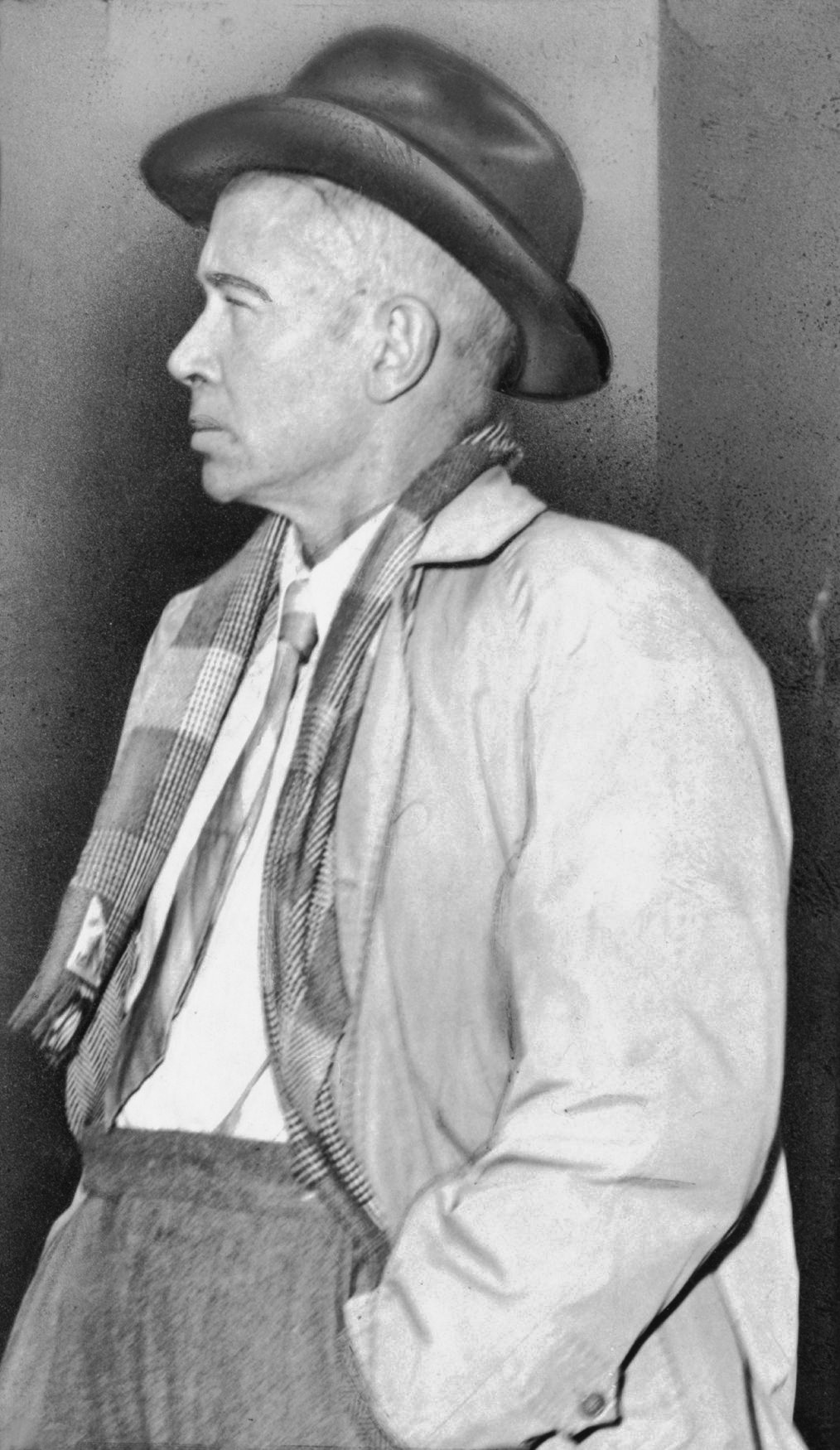 E. E. Cummings
"true lovers in each happening of their hearts live longer than all which and every who"
E. E. Cummings"What concerns me fundamentaly is a meteoric burlesk melodrama, born of the immemorial adage love will find a way."
E. E. Cummings"Who made you glorious as the gates of heaven Beneath the keen full moon? Who bade the sun Clothe you with rainbows? Who, with living flower Of loveliest blue, spread garlands at your feet? God! let the torrents, like a shout of nations, Answer! and let the ice-plains echo, God! God! sing, ye meadow-streams, with gladsome voice! Ye pine-groves, with your soft and soul-like sounds! And they too have a voice, yon piles of snow, And in their perilous fall shall thunder, God!"
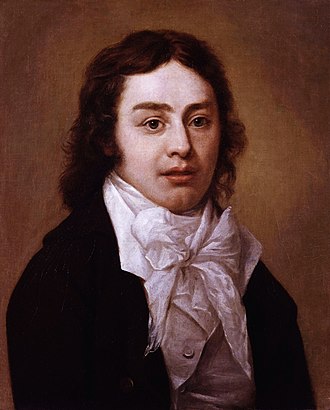 Samuel Taylor Coleridge
"Unchanged within, to see all changed without, Is a blank lot and hard to bear, no doubt. Yet why at others Wanings shouldst thou fret? Then only mightst thou feel a just regret, Hadst thou withheld thy love or hid thy light In selfish forethought of neglect and slight."
Samuel Taylor Coleridge