Quote
"Hello you little charmers... Were The Smiths..."
 Morrissey
"Let’s be realistic … it’s arson. Everybody knows that. You can judge it by the speed by which the corporate media rushed to call it an accident even though the fire had just started and no one was in any position to know anything. Brainwashing! It’s a bit like hearing the full reason behind a plane crash even though the plane has yet to hit the ocean."
Steven Patrick Morrissey, mononymously known as Morrissey, is an English singer and songwriter. He came to prominence as the frontman and lyricist of the rock band the Smiths, who were active from 1982 to 1987. Since then he has pursued a successful solo career. Morrissey's music is characterised by his baritone voice and distinctive lyrics with anti-establishment stances and recurring themes of e
"Hello you little charmers... Were The Smiths..."
Morrissey"Most people keep their brains between their legs"
Morrissey"Its so easy to laugh, its so easy to hate, it takes strength to be gentle and kind."
Morrissey"Why pamper lifes complexity when the leather runs smooth on the passengers seat?"
Morrissey"Hand in glove, the good people laugh, yes we may be hidden by rags, But weve something theyll never have"
Morrissey"(About Pop Idols) Obviously, its designed by record company executives who want a cheap success, and they dont want to give money to anybody and they dont want to give contracts, so theyve created this world of very bubbly teenagers who want to be "idols" and they think all they have to do is mime quite well and theyve made it. … But its not the problem of the kids, its the problem of the record companies, because its just an inexpensive way for them to have so-called, I wont say "artists", but erm...Youre nodding, you know what I mean."
Morrissey"[explaining to Ernie how April apologized to him] She just showed up at the factory, took off her coat, and begged me to take her. We made love in a way that Ive only ever seen in nature films."
 MouseHunt (film)
"All men suppose what is called Wisdom to deal with the first causes and the principles of things; so that, as has been said before, the man of experience is thought to be wiser than the possessors of any sense-perception whatever, the artist wiser than the men of experience, the masterworker than the mechanic, and the theoretical kinds of knowledge to be more of the nature of Wisdom than the productive."
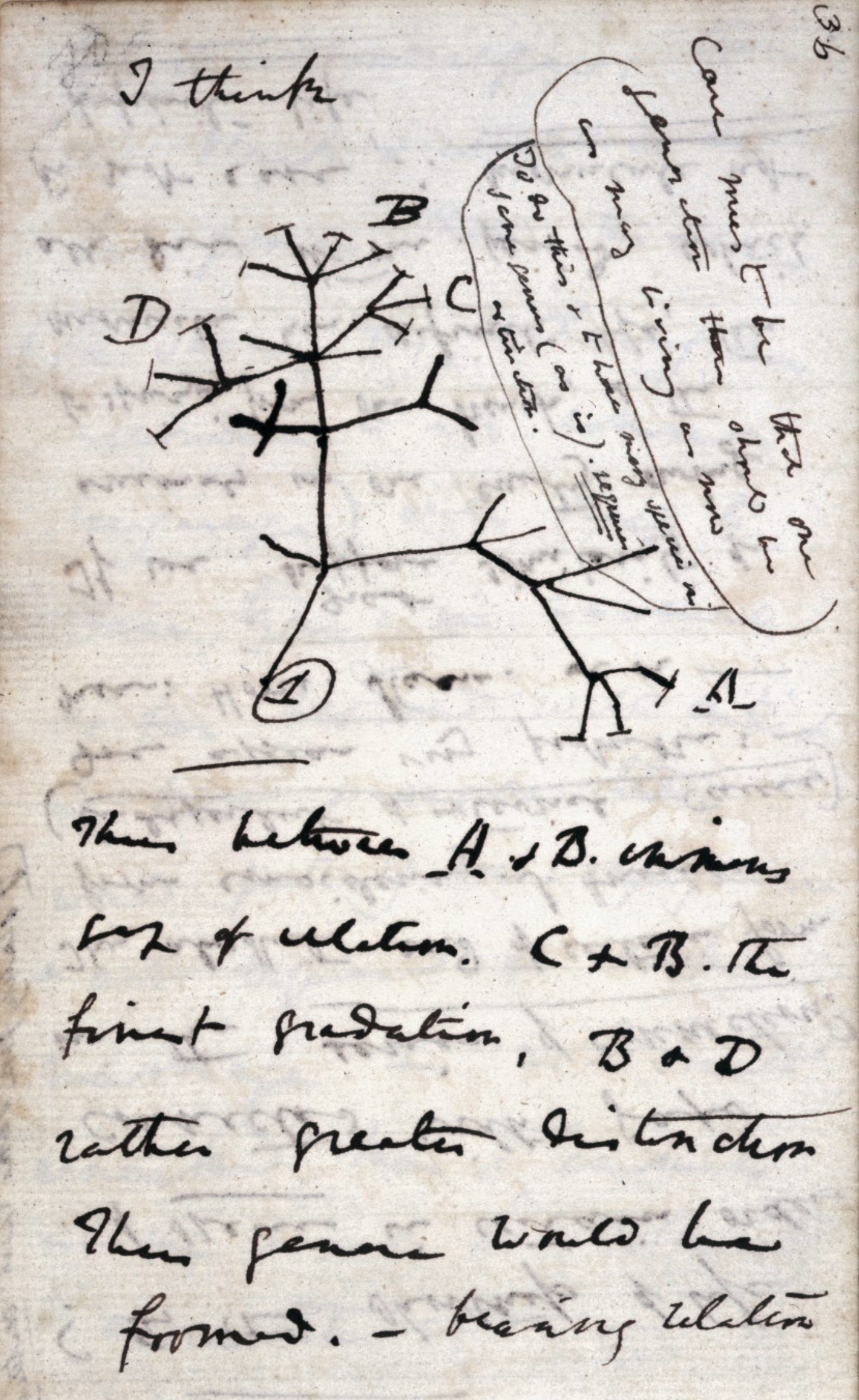 Theory
"The yarns of seamen have a direct simplicity, the whole meaning of which lies within the shell of a cracked nut. But Marlow was not typical (if his propensity to spin yarns be excepted), and to him the meaning of an episode was not inside like a kernel but outside, enveloping the tale which brought it out only as a glow brings out a haze, in the likeness of one of these misty halos that sometimes are made visible by the spectral illumination of moonshine."
"Going up that river was like traveling back to the earliest beginnings of the world, when vegetation rioted on the earth and the big trees were kings. An empty stream, a great silence, an impenetrable forest. The air was warm, thick, heavy, sluggish. There was no joy in the brilliance of sunshine. The long stretches of the waterway ran on, deserted, into the gloom of overshadowed distances."
"The intimate rapport with nature is one of the most precious things in life. Nature is indeed very close to us; sometimes closer than hands and feet, of which in truth she is but the extension. The emotional appeal of nature is tremendous, sometimes almost more than one can bear."
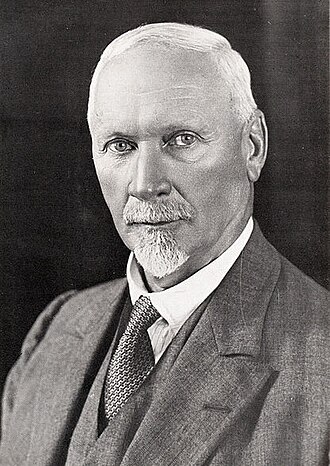 Jan Smuts
"Are people naturally destructive, immoral, predatory and self-seeking, only to be kept in order by harsh laws and fiercely deterrent mandatory sentences? Or are men and women naturally orderly, merciful, humane and bred with a need for justice and mutual aid? Of course these qualities, or defects, are not evenly distributed, and undoubtedly there is much of each in all of us, but when it comes to the law some sort of distinction can be drawn. Are you a Shylock or a Bassanio? Shylock pinned his faith on the words in the contract, the nature of his bond and the duty of the state to uphold the letter of the law regardless of human suffering. Bassanio put another point of view. More important than the sanctity of the law was the plight of the individual parties in the particular case."