Quote
"We wore a web in childhood, A web of sunny air; We dug a spring in infancy Of water pure and fair. We sowed in youth a mustard seed; We cut an almond rod. We now are grown up to riper age: Are they withered in the sod?"
C
Children"There is another and a very different class of men, whose recreation is their garden. An individual of this class, resides some short distance from town—say in the , or the , or any other road where the houses are small and neat, and have little slips of back garden. He and his wife—who is as clean and ompact a little body as himself—have occupied the same house ever since he retired from business twenty years ago. They have no family. They once had a son, who died at about five years old. The childs portrait hangs over the mantelpiece in the best sitting-room, and a little cart he used to draw about, is carefully preserved as a relic."
A child is a human being between the stages of birth and puberty, or between the developmental period of infancy and puberty. The term may also refer to an unborn human being. In English-speaking countries, the legal definition of child generally refers to a minor, in this case as a person younger than the local age of majority, regardless of their physical, mental and sexual development as biolog
"We wore a web in childhood, A web of sunny air; We dug a spring in infancy Of water pure and fair. We sowed in youth a mustard seed; We cut an almond rod. We now are grown up to riper age: Are they withered in the sod?"
"Your children are not your children. They are the sons and daughters of Life’s longing for itself. They came through you but not from you And though they are with you yet they belong not to you. You may give them your love but not your thoughts, For they have their own thoughts. You may house their bodies but not their souls, For their souls dwell in the house of tomorrow, which you cannot visit, not even in your dreams. You may strive to be like them, but seek not to make them like you, For life goes not backward nor tarries with yesterday. You are the bows from which your children as living arrows are sent forth."
"Some of my youthful readers are developing wonderful imaginations. This pleases me. Imagination has brought mankind through the Dark Ages to its present state of civilization. Imagination led Columbus to discover America. Imagination led Franklin to discover electricity. Imagination has given us the steam engine, the telephone, the talking-machine, and the automobile, for these things had to be dreamed of before they became realities. So I believe that dreams — day dreams, you know, with your eyes wide open and your brain machinery whizzing — are likely to lead to the betterment of the world. The imaginative child will become the imaginative man or woman most apt to create, to invent, and therefore to foster civilization. A prominent educator tells me that fairy tales are of untold value in developing imagination in the young. I believe it."
"Adults make their children suffer for the sake of appearances, or to save themselves a little trouble. But it is the job of an adult, especially a mother, to help her child develop its natural abilities. It is a terrible wrong to deprive children of their freedom and rob them of their personalities. Let your children play as they please! To play freely on this earth is the one privilege nature has given to children. If they are allowed to play, they will grow up to be healthy human beings. Of this, at least, I am absolutely certain."
"It is terrible, absolutely mindless, ... Hundreds of children die every minute. But instead of giving them the basics of life we spend more than a million dollars a minute on arms. And all we buy is more and more insecurity, more and more instability."
"Well youve cracked the sky Scrapers fill the air But will you keep on building higher til theres no more room up there? Will you make us laugh Will you make us cry? Will you tell us when to live Will you tell us when to die? I know weve come a long way Were changing day to day But tell me, where do the children play?"
"We have created a wealthy society with tens of millions of talented, resourceful individuals who play virtually no role whatsoever as citizens. Bringing these people in — with their networks of influence, their knowledge, and their resources — is the key to creating the capacity for shared intelligence that we need to solve our problems."
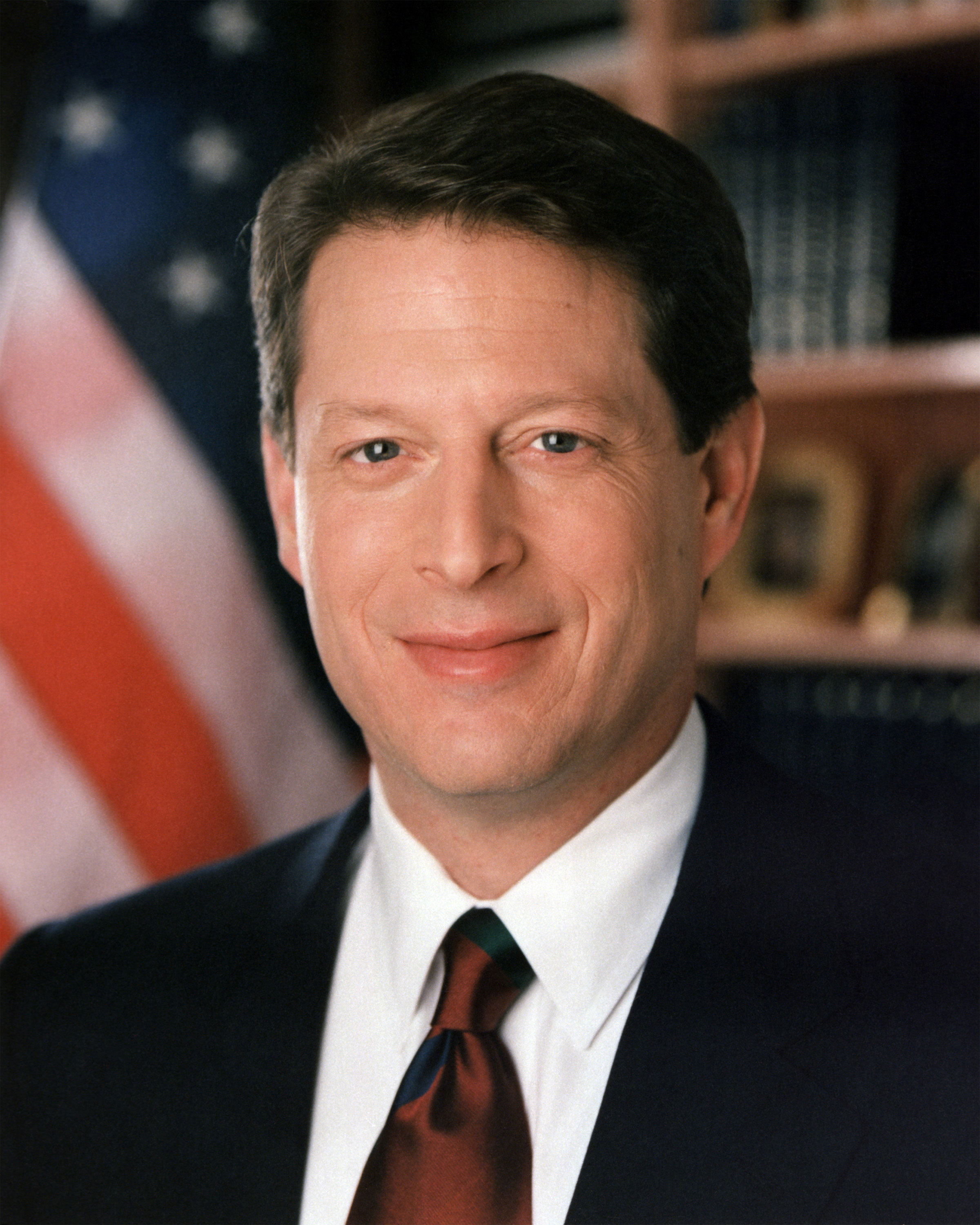 Al Gore
"As in respect of the first wonder we are all on the same level, how comes it that the philosophic mind should, in all ages, be the privilege of a few? The most obvious reason is this: The wonder takes place before the period of reflection, and (with the great mass of mankind) long before the individual is capable of directing his attention freely and consciously to the feeling, or even to its exciting causes. Surprise (the form and dress which the wonder of ignorance usually puts on) is worn away, if not precluded, by custom and familiarity."
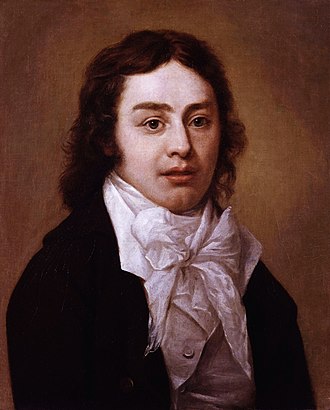 Samuel Taylor Coleridge
"The dualistic philosophy reigned supreme in Europe, dominating the development of Western science. But with the advent of atomic physics, findings based on demonstrable experiment were seen to negate the dualistic theory, and the trend of thought since then has been back to the monistic conception of the ancient Taoists."
"Under the rule of a repressive whole, liberty can be made into a powerful instrument of domination. The range of choice open to the individual is not the decisive factor in determining the degree of human freedom, but what can be chosen and what is chosen by the individual."
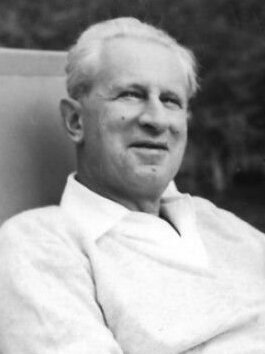 Herbert Marcuse
"All economic activity is carried out through time. Every individual economic process occupies a certain time, and all linkages between economic processes necessarily involve longer or shorter periods of time."
"I believe that the main lesson which our generation has learnt is that we must find a new limit for the activities of government, a limit which leaves ample scope for sensible experimentation but which secures the freedom of the individual as the mainspring of all social and political activity. The whole purpose of these lectures has been to suggest that we can find such a limit if we are willing to revive and develop the ancient ideal of the Rule of Law."