Quote
"Wert thou more fickle than the restless sea, Still should I love thee, knowing thee for such."
W
William Morris"Across the empty garden-beds, When the Sword went out to sea."
William Morris was an English textile designer, poet, artist, writer, and socialist activist associated with the British Arts and Crafts movement. He was a major contributor to the revival of traditional British textile arts and methods of production. His literary contributions helped to establish the modern fantasy genre, while he campaigned for socialism in fin de siècle Great Britain.
"Wert thou more fickle than the restless sea, Still should I love thee, knowing thee for such."
"Now such an one for daughter Creon had As maketh wise men fools and young men mad."
"I know a little garden-close Set thick with lily and red rose, Where I would wander if I might From dewy dawn to dewy night, And have one with me wandering."
"So long as the system of competition in the production and exchange of the means of life goes on, the degradation of the arts will go on; and if that system is to last for ever, then art is doomed, and will surely die; that is to say, civilization will die."
"What is this, the sound and rumour? What is this that all men hear, Like the wind in hollow valleys when the storm is drawing near, Like the rolling on of ocean in the eventide of fear? Tis the people marching on."
"The majesty That from mans soul looks through his eager eyes."
"Now Art, used collectively for painting, sculpture, architecture and music, is the mediatress between, and reconciler of, nature and man. It is, therefore, the power of humanizing nature, of infusing the thoughts and passions of man into everything which is the object of his contemplation."
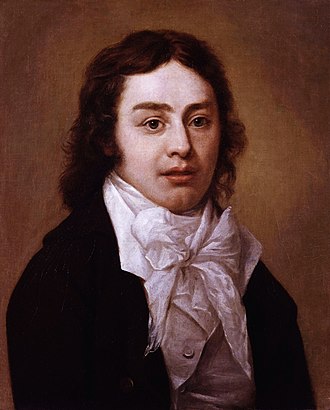 Samuel Taylor Coleridge
"The Good consists in the congruity of a thing with the laws of the reason and the nature of the will, and in its fitness to determine the latter to actualize the former: and it is always discursive. The Beautiful arises from the perceived harmony of an object, whether sight or sound, with the inborn and constitutive rules of the judgment and imagination: and it is always intuitive."
Samuel Taylor Coleridge"I believe that the unity of man as opposed to other living things derives from the fact that man is the conscious life of himself. Man is conscious of himself, of his future, which is death, of his smallness, of his impotence; he is aware of others as others; man is in nature, subject to its laws even if he transcends it with his thought."
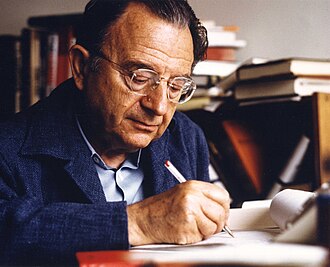 Erich Fromm
"Who made you glorious as the gates of heaven Beneath the keen full moon? Who bade the sun Clothe you with rainbows? Who, with living flower Of loveliest blue, spread garlands at your feet? God! let the torrents, like a shout of nations, Answer! and let the ice-plains echo, God! God! sing, ye meadow-streams, with gladsome voice! Ye pine-groves, with your soft and soul-like sounds! And they too have a voice, yon piles of snow, And in their perilous fall shall thunder, God!"
Samuel Taylor Coleridge"All Nature seems at work. Slugs leave their lair — The bees are stirring — birds are on the wing — And Winter slumbering in the open air, Wears on his smiling face a dream of Spring! And I the while, the sole unbusy thing, Nor honey make, nor pair, nor build, nor sing."
Samuel Taylor Coleridge"Taste is the intermediate faculty which connects the active with the passive powers of our nature, the intellect with the senses; and its appointed function is to elevate the images of the latter, while it realizes the ideas of the former."
Samuel Taylor Coleridge