Quote
"A man should always consider how much he has more than he wants."
J
Joseph Addison"As a man, he may not have deserved the adoration which he received from those who, bewitched by his fascinating society, and indebted for all the comforts of life to his generous and delicate friendship, worshipped him nightly, in his favourite temple at Button’s. But, after full inquiry and impartial reflection, we have long been convinced that he deserved as much love and esteem as can be justly claimed by any of our infirm and erring race. Some blemishes may undoubtedly be detected in his character; but the more carefully it is examined, the more it will appear, to use the phrase of the old anatomists, sound in the noble parts, free from all taint of perfidy, of cowardice, of cruelty, of ingratitude, of envy. Men may easily be named, in whom some particular good disposition has been more conspicuous than in Addison. But the just harmony of qualities, the exact temper between the stern and the humane virtues, the habitual observance of every law, not only of moral rectitude, but of moral grace and dignity, distinguish him from all men who have been tried by equally strong temptations, and about whose conduct we possess equally full information."
Joseph Addison was a British writer and politician. He was the eldest son of Lancelot Addison. His name is usually remembered alongside that of his long-standing friend Richard Steele, with whom he founded The Spectator magazine. His simple prose style marked the end of the mannerisms and conventional classical images of the 17th century. Addison is also famous for his play Cato, a Tragedy, writte
"A man should always consider how much he has more than he wants."
"I question not but the more virtuous and considerate parts of our malcontents are now stung with a very just remorse, for this their manner of proceeding, which has so visibly tended to the destruction of their friends, and the sufferings of their country. This may, at the same time, prove an instructive lesson to the boldest and bravest among the disaffected, not to build any hopes upon the talkative zealots of their party; who have shown, by their whole behaviour, that their hearts are equally filled with treason and cowardice."
"Music religious heat inspires, It wakes the soul, and lifts it high, And wings it with sublime desires, And fits it to bespeak the Deity."
"Authors have established it as a kind of rule, that a man ought to be dull sometimes; as the most severe reader makes allowances for many rests and nodding places in a voluminous writer."
"Let echo, too, perform her part, Prolonging every note with art; And in a low expiring strain, Play all the concert oer again."
"When time itself shall be no more, And all things in confusion hurld, Music shall then exert its power, And sound survive the ruins of the world: Then saints and angels shall agree In one eternal jubilee: All Heaven shall echo with their hymns divine, And God himself with pleasure see The whole creation in a chorus join."
"The wound is the place where the Light enters you."
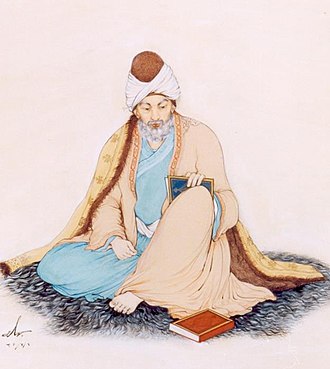 Rumi
Rumi"yes is a pleasant country... love is a deeper season than reason"
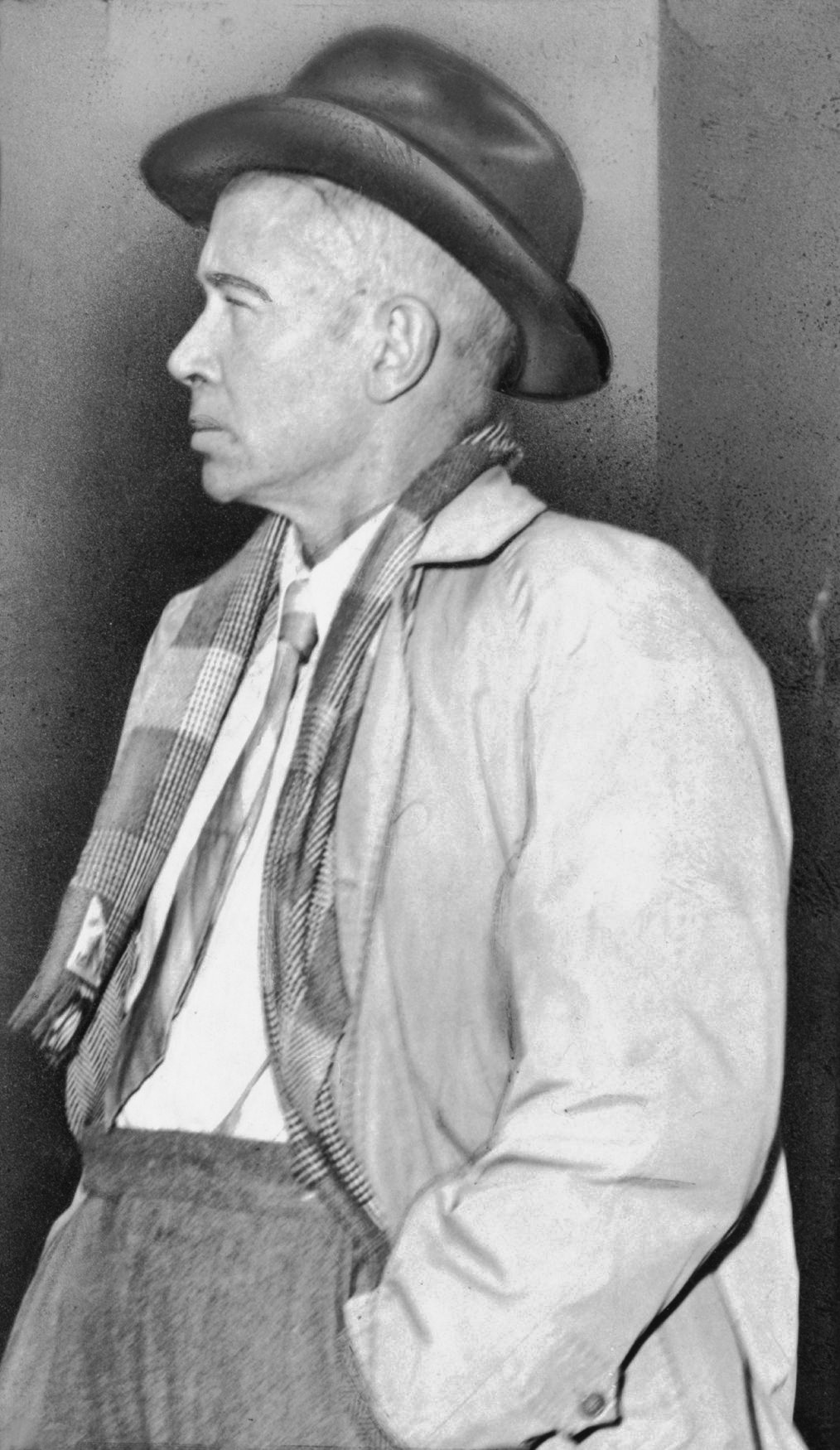 E. E. Cummings
"true lovers in each happening of their hearts live longer than all which and every who"
E. E. Cummings"What concerns me fundamentaly is a meteoric burlesk melodrama, born of the immemorial adage love will find a way."
E. E. Cummings"Who made you glorious as the gates of heaven Beneath the keen full moon? Who bade the sun Clothe you with rainbows? Who, with living flower Of loveliest blue, spread garlands at your feet? God! let the torrents, like a shout of nations, Answer! and let the ice-plains echo, God! God! sing, ye meadow-streams, with gladsome voice! Ye pine-groves, with your soft and soul-like sounds! And they too have a voice, yon piles of snow, And in their perilous fall shall thunder, God!"
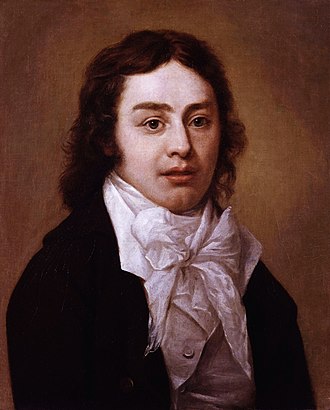 Samuel Taylor Coleridge
"Unchanged within, to see all changed without, Is a blank lot and hard to bear, no doubt. Yet why at others Wanings shouldst thou fret? Then only mightst thou feel a just regret, Hadst thou withheld thy love or hid thy light In selfish forethought of neglect and slight."
Samuel Taylor Coleridge