Quote
"[Homers] Fire burns with extraordinary Heat and Vehemence … Virgils is a clearer and a chaster Flame ..."
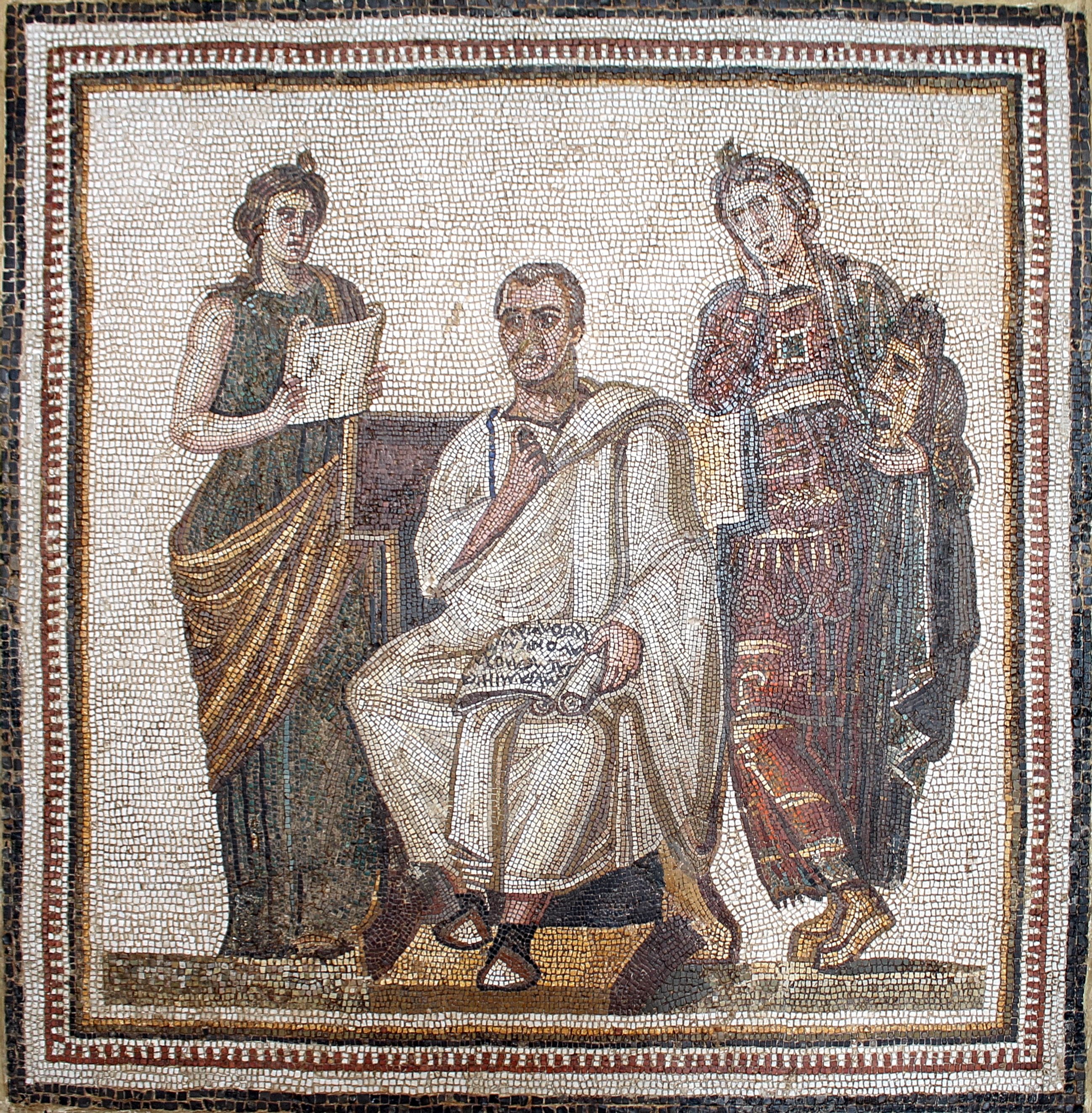 Virgil
"Καὶ φίλος Αὐσονίοισι λιγύθροος ἔπρεπε κύκνος πνείων εὐεπίης Βεργίλλιος, ὅν ποτε Ῥώμης Θυμβριὰς ἄλλον Ὅμηρον ἀνέτρεφε πάτριος Ηχώ."
Publius Vergilius Maro, usually called Virgil or Vergil in English, was an ancient Roman poet of the Augustan period. He composed three of the most famous poems in Latin literature: the Eclogues, the Georgics, and the epic Aeneid. Some minor poems, collected in the Appendix Vergiliana, were attributed to him in ancient times, but modern scholars regard these as spurious, with the possible exceptio
"[Homers] Fire burns with extraordinary Heat and Vehemence … Virgils is a clearer and a chaster Flame ..."
Virgil"The principal and distinguishing excellency of Virgil, and which, in my opinion, he possesses beyond all poets, is tenderness. Nature had endowed him with exquisite sensibility; he felt every affecting circumstance in the scenes he describes; and, by a single stroke, he knows how to reach the heart."
Virgil"Volvitur Euryalus leto, pulchrosque per artus It cruor inque umeros cervix conlapsa recumbit: Purpureus veluti cum flos succisus aratro Languescit moriens; lassove papavera collo Demisere caput, pluvia cum forte gravantur."
Virgil"Vtar enim verbis isdem quae ex Afro Domitio iuvenis excepi, qui mihi interroganti quem Homero crederet maxime accedere "secundus" inquit "est Vergilius, propior tamen primo quam tertio". Et hercule ut illi naturae caelesti atque inmortali cesserimus, ita curae et diligentiae vel ideo in hoc plus est, quod ei fuit magis laborandum, et quantum eminentibus vincimur, fortasse aequalitate pensamus. Ceteri omnes longe sequentur."
Virgil"Virgil is so exact in every word, that none can be changed but for a worse; nor any one removed from its place, but the harmony will be altered. He pretends sometimes to trip; but it is only to make you think him in danger of a fall, when he is most secure."
Virgil"Stat sua cuique dies, breve et inreparabile tempus Omnibus est vitae; sed famam extendere factis, Hoc virtutis opus."
Virgil