Quote
"Reason, indeed, may oft complain For Natures sad reality, And tell the suffering heart, how vain Its cherished dreams must always be; And Truth may rudely trample down The flowers of Fancy, newly-blown:"
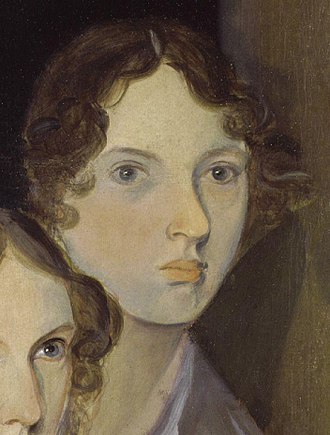 Emily Brontë
"For that mist may break when the sun is high And this soul forget its sorrow And the rose ray of the closing day May promise a brighter morrow."
Emily Jane Brontë was an English writer best known for her 1847 novel Wuthering Heights. She also co-authored a book of poetry with her sisters Charlotte and Anne entitled Poems by Currer, Ellis, and Acton Bell.
"Reason, indeed, may oft complain For Natures sad reality, And tell the suffering heart, how vain Its cherished dreams must always be; And Truth may rudely trample down The flowers of Fancy, newly-blown:"
Emily Brontë"Ive watched thee every hour — I know my mighty sway — I know my magic power To drive thy griefs away —"
Emily Brontë"A heaven so clear, an earth so calm, So sweet, so soft, so hushed an air; And, deepening still the dreamlike charm, Wild moor-sheep feeding everywhere."
Emily Brontë"What matters it, that, all around, Danger, and guilt, and darkness lie, If but within our bosoms bound We hold a bright, untroubled sky, Warm with ten thousand mingled rays Of suns that know no winter days?"
Emily Brontë"But, thou art ever there, to bring The hovering vision back, and breathe New glories oer the blighted spring, And call a lovelier Life from Death, And whisper, with a voice divine, Of real worlds, as bright as thine."
Emily Brontë"What use is it to slumber here: Though the heart be sad and weary? What use is it to slumber here Though the day rise dark and dreary?"
Emily Brontë