Quote
"He came like a sledgehammer, like a giant out of the mountain with a sledgehammer, writing with a sledgehammer..."
R
Richard Wright"He did not feel that he was stealing, for the cleaver, the radio, the money, and the typewriter were all on the same level of value, all meant the same thing to him. They were the serious toys of the men who lived in the dead world of sunshine and rain he had left, the world that had condemned him, branded him guilty."
"He came like a sledgehammer, like a giant out of the mountain with a sledgehammer, writing with a sledgehammer..."
"But the moment he makes the attempt his words falter, for he is confronted and defied by the inexplicable array of his own emotions. Emotions are subjective and he can communicate them only when he clothes them in objective guise; and how can he ever be so arrogant as to know when he is dressing up the right emotion in the right Sunday suit?"
"Maybe anythings right, he mumbled. Yes, if the world as men had made it was right, then anything else was right, any act a man took to satisfy himself, murder, theft, torture.He straightened with a start. What was happening to him? ... He was going to do something, but what? Yes, he was afraid of himself, afraid of doing some nameless thing."
"The moment we act as if its true, then its true."
"I dont know if Native Son is a good book or a bad book. And I dont know if the book Im working on now will be a good book or a bad book. And I really dont care. The mere writing of it will be more fun and a deeper satisfaction than any praise or blame from anybody. I feel that Im lucky to be alive to write novels today, when the whole world is caught in the pangs of war and change."
"But, because the blacks were so close to the very civilization which sought to keep them out, because they could not help but react in some way to its incentives and prizes, and because the very tissue of their consciousness received its tone and timbre from the strivings of that dominant civilization, oppression spawned among them a myriad variety of reactions, reaching from outright blind rebellion to sweet, other-worldly submissiveness."
"Now Art, used collectively for painting, sculpture, architecture and music, is the mediatress between, and reconciler of, nature and man. It is, therefore, the power of humanizing nature, of infusing the thoughts and passions of man into everything which is the object of his contemplation."
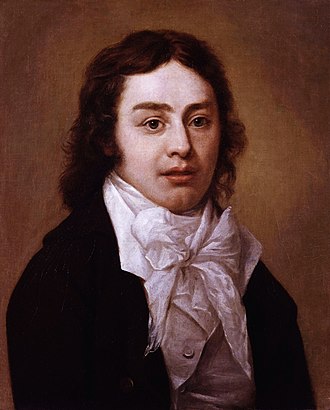 Samuel Taylor Coleridge
"The Good consists in the congruity of a thing with the laws of the reason and the nature of the will, and in its fitness to determine the latter to actualize the former: and it is always discursive. The Beautiful arises from the perceived harmony of an object, whether sight or sound, with the inborn and constitutive rules of the judgment and imagination: and it is always intuitive."
Samuel Taylor Coleridge"I believe that the unity of man as opposed to other living things derives from the fact that man is the conscious life of himself. Man is conscious of himself, of his future, which is death, of his smallness, of his impotence; he is aware of others as others; man is in nature, subject to its laws even if he transcends it with his thought."
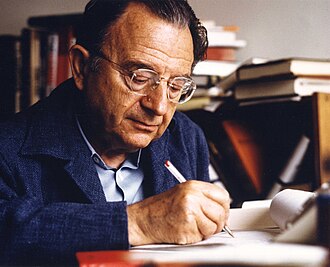 Erich Fromm
"Who made you glorious as the gates of heaven Beneath the keen full moon? Who bade the sun Clothe you with rainbows? Who, with living flower Of loveliest blue, spread garlands at your feet? God! let the torrents, like a shout of nations, Answer! and let the ice-plains echo, God! God! sing, ye meadow-streams, with gladsome voice! Ye pine-groves, with your soft and soul-like sounds! And they too have a voice, yon piles of snow, And in their perilous fall shall thunder, God!"
Samuel Taylor Coleridge"All Nature seems at work. Slugs leave their lair — The bees are stirring — birds are on the wing — And Winter slumbering in the open air, Wears on his smiling face a dream of Spring! And I the while, the sole unbusy thing, Nor honey make, nor pair, nor build, nor sing."
Samuel Taylor Coleridge"Taste is the intermediate faculty which connects the active with the passive powers of our nature, the intellect with the senses; and its appointed function is to elevate the images of the latter, while it realizes the ideas of the former."
Samuel Taylor Coleridge