Quote
"Dutch original text: En Rembrandt, die den nagt verbeelde te figuurlijk. In zijnen duisteren grond."
 Rembrandt
"He only lived with the lower class and people much below himself.. .He looked to nature as the only one capable of teaching him. He chose no other studio for his studies than his fathers windmill."
Rembrandt Harmenszoon van Rijn, known mononymously as Rembrandt, was a Dutch Golden Age painter, printmaker, and draughtsman. He is generally considered one of the greatest visual artists in the history of Western art. It is estimated that Rembrandt's surviving works amount to about three hundred paintings, three hundred etchings, and several hundred drawings.
"Dutch original text: En Rembrandt, die den nagt verbeelde te figuurlijk. In zijnen duisteren grond."
Rembrandt"..a Leda or a Danae.. ..as a naked woman with swollen belly, hanging breasts and garter marks on the legs."
Rembrandt"During this period [1830 – 1900, in France], Rembrandt was appropriated as a symbolic figure by critics and painter-printmakers and assigned a heroic, cult-like artistic and political status. French critics molded and reinvented earlier anecdotal biographies.. ..to formulate an artistic persona that had particular meaning [for] nineteenthcentury French vanguard art and politics."
Rembrandt"[Rembrandt] The most famous brand name in western art. In America alone it graces toothpaste, bracelet charms, restaurant and bars, counter-tops and of course the town of Rembrandt, Iowa just halfway around the world from the Rembrandt Hotel in Bangkok, Thailand. Funny thing is Rembrandt might have been quite pleased with such widespread notoriety. (...) Rembrandt was a realist craftsman who showed off his craft to sell his work. His paintings brim with self-confidence as this in bold oil sketch of the entombment of Christ painted with an almost modern bravado. His drawings were dashed off with a Zen-like assurance. His etchings complete and elaborate works of art in themselves which sold in great quantity to two Dutch middle class."
Rembrandt"Alongside Leonardo and Michelangelo, Rembrandt is one of the three most famous artists ever, with whom the public is on a first-name basis; and the name Rembrandt has lent the cachet of greatness and the grace of familiarity to sell everything from kitchen countertops to whitening toothpaste to fancy hotels in Bangkok and Knightsbridge. No work of Rembrandts has attained the iconic status of the David or the Mona Lisa; yet Rembrandt seems to rank with the greatest of the great."
Rembrandt"A pious mind / Places honor above wealth - Rembrandt, Amsterdam 1634"
Rembrandt"[explaining to Ernie how April apologized to him] She just showed up at the factory, took off her coat, and begged me to take her. We made love in a way that Ive only ever seen in nature films."
 MouseHunt (film)
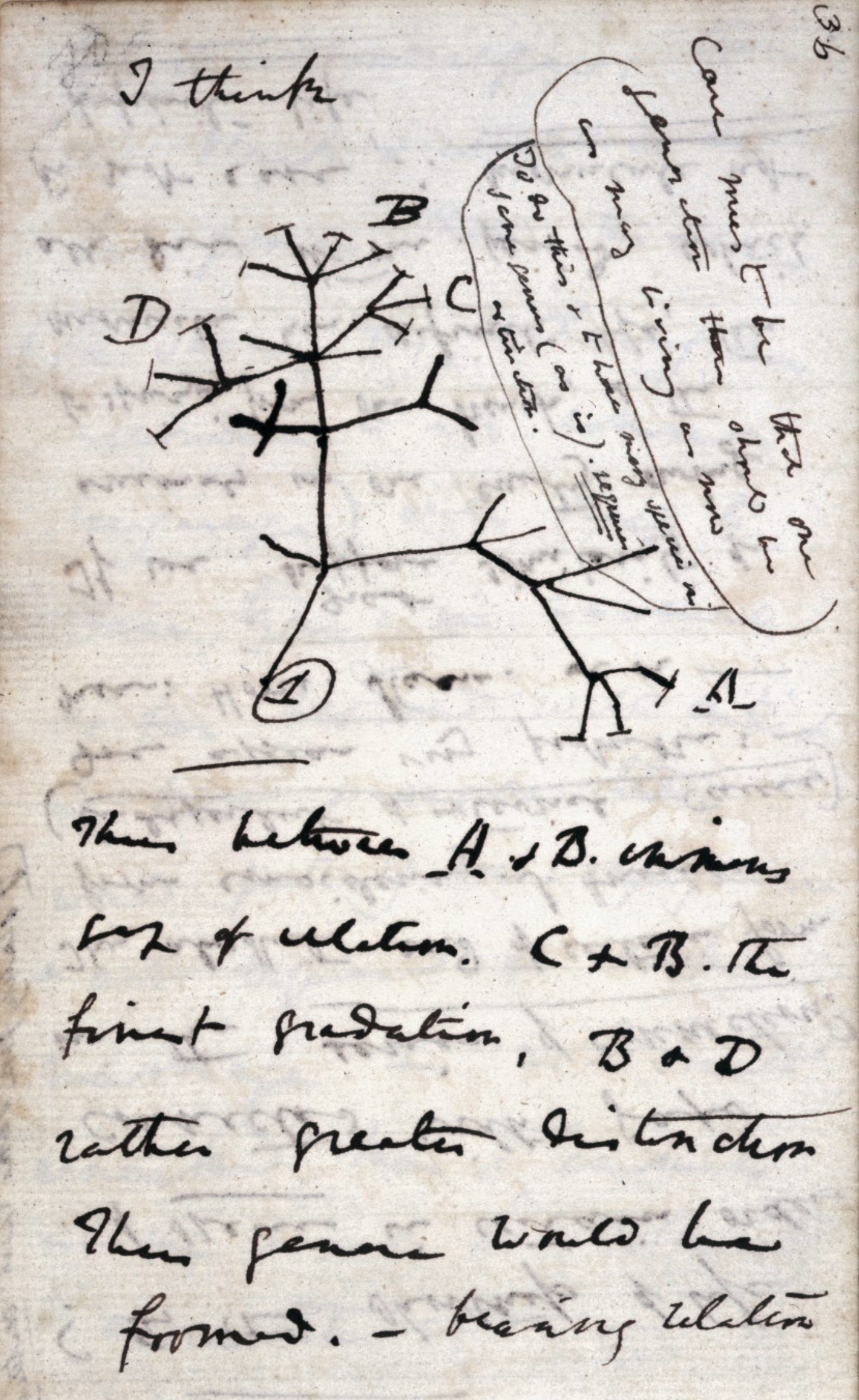
"All men suppose what is called Wisdom to deal with the first causes and the principles of things; so that, as has been said before, the man of experience is thought to be wiser than the possessors of any sense-perception whatever, the artist wiser than the men of experience, the masterworker than the mechanic, and the theoretical kinds of knowledge to be more of the nature of Wisdom than the productive."
 Theory
"The yarns of seamen have a direct simplicity, the whole meaning of which lies within the shell of a cracked nut. But Marlow was not typical (if his propensity to spin yarns be excepted), and to him the meaning of an episode was not inside like a kernel but outside, enveloping the tale which brought it out only as a glow brings out a haze, in the likeness of one of these misty halos that sometimes are made visible by the spectral illumination of moonshine."
"Going up that river was like traveling back to the earliest beginnings of the world, when vegetation rioted on the earth and the big trees were kings. An empty stream, a great silence, an impenetrable forest. The air was warm, thick, heavy, sluggish. There was no joy in the brilliance of sunshine. The long stretches of the waterway ran on, deserted, into the gloom of overshadowed distances."
"The intimate rapport with nature is one of the most precious things in life. Nature is indeed very close to us; sometimes closer than hands and feet, of which in truth she is but the extension. The emotional appeal of nature is tremendous, sometimes almost more than one can bear."
 Jan Smuts
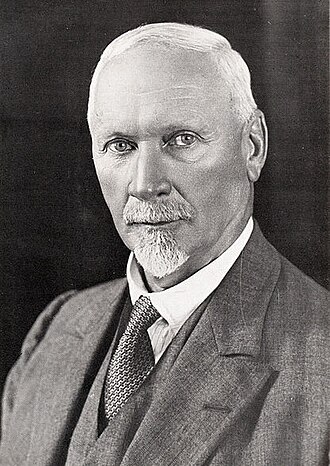
"Are people naturally destructive, immoral, predatory and self-seeking, only to be kept in order by harsh laws and fiercely deterrent mandatory sentences? Or are men and women naturally orderly, merciful, humane and bred with a need for justice and mutual aid? Of course these qualities, or defects, are not evenly distributed, and undoubtedly there is much of each in all of us, but when it comes to the law some sort of distinction can be drawn. Are you a Shylock or a Bassanio? Shylock pinned his faith on the words in the contract, the nature of his bond and the duty of the state to uphold the letter of the law regardless of human suffering. Bassanio put another point of view. More important than the sanctity of the law was the plight of the individual parties in the particular case."