Quote
"Too many Japanese believe that they can say whatever they like in Japanese (that statement was for a domestic audience is very often an excuse for gaffes), as though Japanese is some secret code."
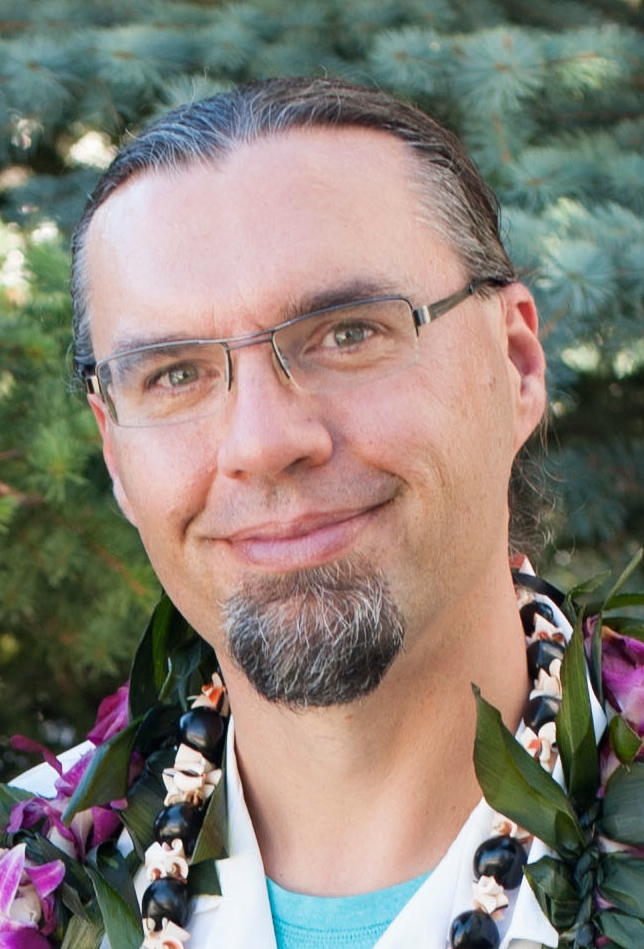 Debito Arudou
"I guess the clarification I should make here is that Japan is as potentially racist as anywhere else, but for a developed country, the legal and social protections and recourses afforded to people of differences are lacking comparatively. Racial discrimination is still not illegal in Japan, and this is something the Japanese government promised to fix when it signed the UN Convention on it in 1995. In short, Japan is not an outlier in terms of racism, but it is in terms of protections against it."
Debito Arudou is an American-born Japanese writer, blogger, and human rights activist. He was born in the United States and became a naturalized Japanese citizen in 2000. Arudou has since left Japan after living in the country for over 20 years.
"Too many Japanese believe that they can say whatever they like in Japanese (that statement was for a domestic audience is very often an excuse for gaffes), as though Japanese is some secret code."
Debito Arudou"Other people have called me a "human rights" activist. I dont mind the label, but I dont think Id go so far. It puts me on par with other extraordinary activists. Im just an average guy with a bigger mouth than average."
Debito Arudou"WaiWai was an essential guide to Japanese attitudes and editorial directives."
Debito Arudou"Truth be told, having two passports in Japan is not necessarily a problem. If one lived a quiet life, one could conceivably keep renewing a non-Japanese passport ad infinitum. The USG permits dual citizenship and doesnt go out of its way to tell other governments about the nationalities of their citizens. However, as you know, I dont live a quiet life."
Debito Arudou"Starting from 1993 in Otaru, Hokkaidō, and now running unchecked throughout Japan, signs saying Japanese Only have gone up, making an unspoken undercurrent of fear of the outsider into clear, present, and brazen exclusionism — following the best traditions of segregation and apartheid."
Debito Arudou"[To] me naturalization is just an obvious extension of what somebody in my position would desire anyway — the right to vote and to legally participate in society the same as any other citizen. I am already as entrenched as any other citizen: I have a house and land with a debt of a quarter-million dollars; with a thirty-year loan I really cannot leave Japan… Moreover, naturalization has knock-on benefits that suit a person with my personality. It will enable me to stand on my rights (yes, more than I do now!) with renewed vigor — because I will indeed have more rights, as well as a firmer ground to demand even more (I can except myself from, say, this as a foreigner, you are a guest in our country so shut up bullshit). And — dare I say it? — I would be able to participate in politics as a candidate if I so choose)."
Debito Arudou"The smart way to keep people passive and obedient is to strictly limit the spectrum of acceptable opinion, but allow very lively debate within that spectrum - even encourage the more critical and dissident views. That gives people the sense that theres free thinking going on, while all the time the presuppositions of the system are being reinforced by the limits put on the range of the debate."
"With much care and skill power has been broken into fragments in the American township, so that the maximum possible number of people have some concern with public affairs."
"The people reign over the American political world as God rules over the universe. It is the cause and the end of all things; everything rises out of it and is absorbed back into it."
"I should say that when people talk about capitalism its a bit of a joke. Theres no such thing. No country, no business class, has ever been willing to subject itself to the free market, free market discipline. Free markets are for others. Like, the Third World is the Third World because they had free markets rammed down their throat. Meanwhile, the enlightened states, England, the United States, others, resorted to massive state intervention to protect private power, and still do. Thats right up to the present. I mean, the Reagan administration for example was the most protectionist in post-war American history. Virtually the entire dynamic economy in the United States is based crucially on state initiative and intervention: computers, the internet, telecommunication, automation, pharmaceutical, you just name it. Run through it, and you find massive ripoffs of the public, meaning, a system in which under one guise or another the public pays the costs and takes the risks, and profit is privatized. Thats very remote from a free market. Free market is like what India had to suffer for a couple hundred years, and most of the rest of the Third World."
"I appeal to all pupils, students and young people, asking you to focus on the horizons that are opening up for you, and which you could only dream of a year ago. Our future will depend on your desire for education and moral values as well as on your entrepreneurial spirit."
"We have created a wealthy society with tens of millions of talented, resourceful individuals who play virtually no role whatsoever as citizens. Bringing these people in — with their networks of influence, their knowledge, and their resources — is the key to creating the capacity for shared intelligence that we need to solve our problems."
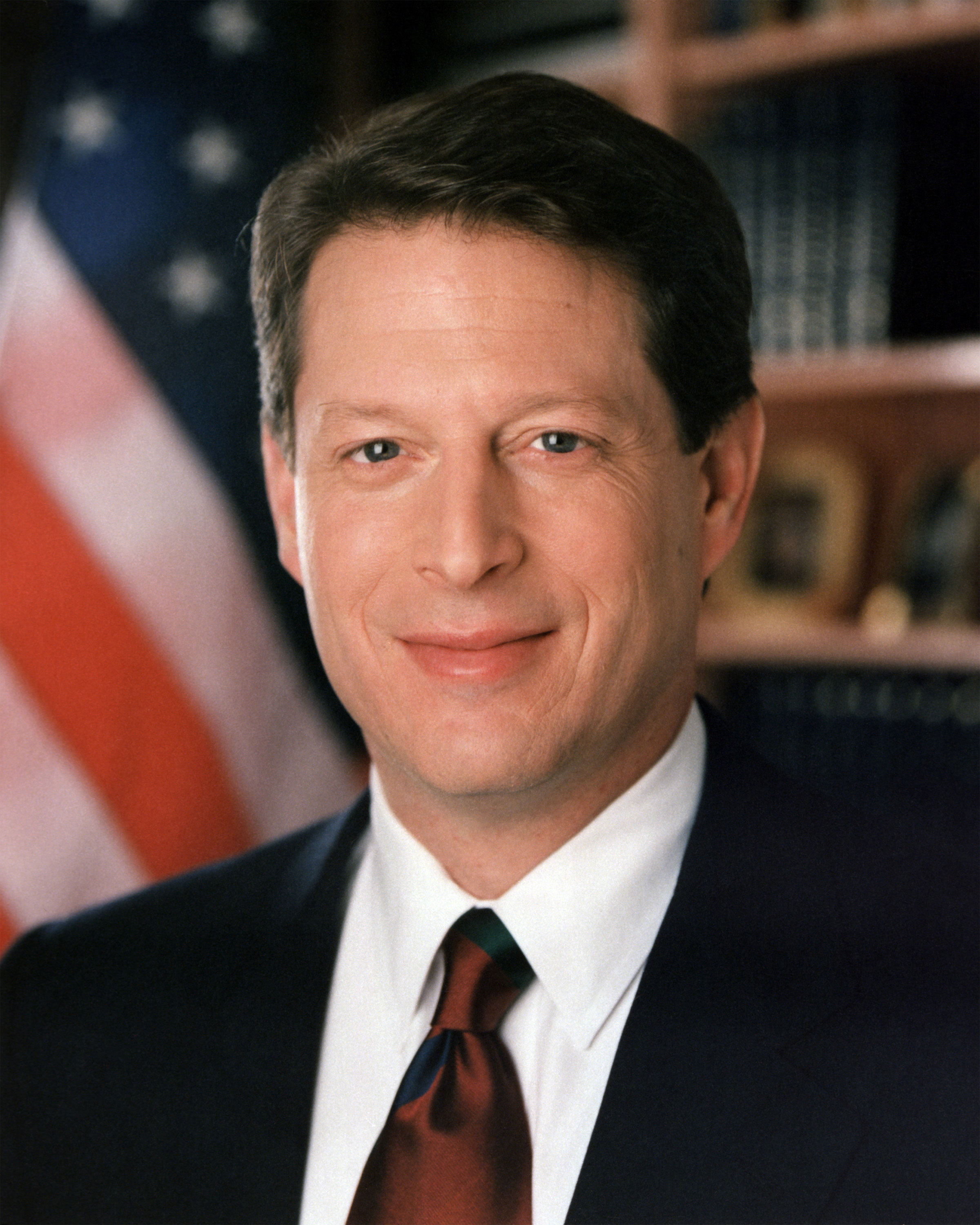 Al Gore