Quote
"This is that which We have revealed for the First Believer in Him Whom God shall make manifest, that it may serve as an admonition from Our presence unto all mankind."
B
Báb"In these different worlds his (the disbelievers) clothes are fire, even if they are of silk, and the place of his sojourn is fire, even if he is on the highest throne on the Earth, and his food is likewise fire. The clothes of others (of the believers) are made of what is created in Paradise, their seat is the highest seat of Paradise, and their food is the most succulent fruits of Paradise, even if they are clothed only with cotton, if they associate only on the bare soil, if they feed only on leaves of lettuce"
The Báb was an Iranian religious leader who founded Bábism, and is also one of the central figures of the Baháʼí Faith. The Báb gradually and progressively revealed his claim in his extensive writings to be a Manifestation of God, of a status as great as Moses, Jesus, and Muhammad, receiving revelations as profound as the Torah, Gospel, and Quran. This new revelation, he claimed, would release the
"This is that which We have revealed for the First Believer in Him Whom God shall make manifest, that it may serve as an admonition from Our presence unto all mankind."
"I render thanks and yield praise unto God for having been chosen by Him as the Exponent of His Cause in bygone days and in the days to come; there is none other God save Him, the Glorified, the All-Praised, the Ever-Abiding. Whatever is in the heavens and on the earth is His and through Him are we guided aright."
"On the Day of Resurrection God will ask everyone of his understanding and not of his following in the footsteps of others. How often a person, having inclined his ears to the holy verses, would bow down in humility and would embrace the Truth, while his leader would not do so. Thus every individual must bear his own responsibility, rather than someone else bearing it for him."
"By My life! But for the obligation to acknowledge the Cause of Him Who is the Testimony of God … I would not have announced this unto thee... All the keys of heaven God hath chosen to place on My right hand, and all the keys of hell on My left..."
"Were I to remove the veil, all would recognize Me as their Best Beloved, and no one would deny Me. Let not this assertion astound Your Majesty; inasmuch as a true believer in the unity of God who keepeth his eyes directed towards Him alone, will regard aught else but Him as utter nothingness. I swear by God! I seek no earthly goods from thee, be it as much as a mustard seed. Indeed, to possess anything of this world or of the next would, in My estimation, be tantamount to open blasphemy. For it ill beseemeth the believer in the unity of God to turn his gaze to aught else, much less to hold it in his possession. I know of a certainty that since I have God, the Ever-Living, the Adored One, I am the possessor of all things, visible and invisible..."
"Fear ye God that ye may not identify yourselves with aught but the truth, inasmuch as ye have been exalted in the Bayán for being recognized as the bearers of the name of Him Who is the eternal Truth."
"Now Art, used collectively for painting, sculpture, architecture and music, is the mediatress between, and reconciler of, nature and man. It is, therefore, the power of humanizing nature, of infusing the thoughts and passions of man into everything which is the object of his contemplation."
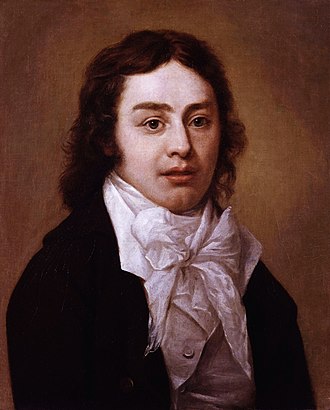 Samuel Taylor Coleridge
"The Good consists in the congruity of a thing with the laws of the reason and the nature of the will, and in its fitness to determine the latter to actualize the former: and it is always discursive. The Beautiful arises from the perceived harmony of an object, whether sight or sound, with the inborn and constitutive rules of the judgment and imagination: and it is always intuitive."
Samuel Taylor Coleridge"I believe that the unity of man as opposed to other living things derives from the fact that man is the conscious life of himself. Man is conscious of himself, of his future, which is death, of his smallness, of his impotence; he is aware of others as others; man is in nature, subject to its laws even if he transcends it with his thought."
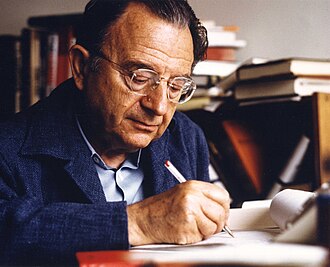 Erich Fromm
"Who made you glorious as the gates of heaven Beneath the keen full moon? Who bade the sun Clothe you with rainbows? Who, with living flower Of loveliest blue, spread garlands at your feet? God! let the torrents, like a shout of nations, Answer! and let the ice-plains echo, God! God! sing, ye meadow-streams, with gladsome voice! Ye pine-groves, with your soft and soul-like sounds! And they too have a voice, yon piles of snow, And in their perilous fall shall thunder, God!"
Samuel Taylor Coleridge"All Nature seems at work. Slugs leave their lair — The bees are stirring — birds are on the wing — And Winter slumbering in the open air, Wears on his smiling face a dream of Spring! And I the while, the sole unbusy thing, Nor honey make, nor pair, nor build, nor sing."
Samuel Taylor Coleridge"Taste is the intermediate faculty which connects the active with the passive powers of our nature, the intellect with the senses; and its appointed function is to elevate the images of the latter, while it realizes the ideas of the former."
Samuel Taylor Coleridge