Quote
"nothing except the impossible shall occur"
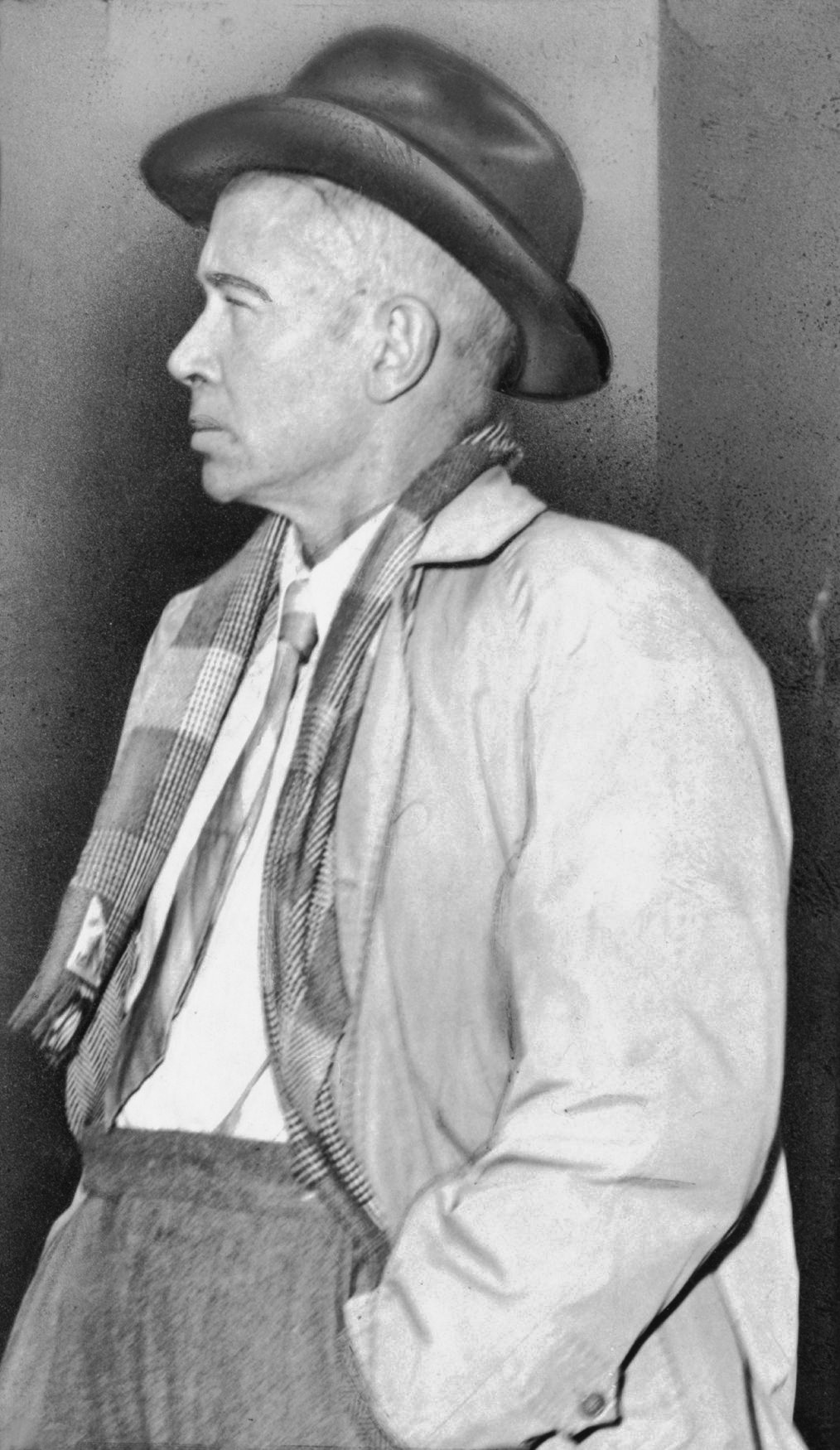 E. E. Cummings
"milly befriended a stranded star whose rays five languid fingers were;and molly was chased by a horrible thing which raced sideways while blowing bubbles:and may came home with a smooth round stone as small as a world and as large as alone for whatever we lose (like a you or a me) its always ourselves we find in the sea"
Edward Estlin Cummings, commonly known as e e cummings or E. E. Cummings, was an American poet, painter, essayist, author, and playwright. During World War I, he worked as an ambulance driver and was imprisoned in an internment camp, which provided the basis for his novel The Enormous Room (1922). The following year he published his first collection of poetry, Tulips and Chimneys, which showed his
"nothing except the impossible shall occur"
E. E. Cummings"true lovers in each happening of their hearts live longer than all which and every who"
E. E. Cummings"yes is a pleasant country... love is a deeper season than reason"
E. E. Cummings"We doctors know a hopeless case if — listen: theres a hell of a good universe next door; lets go"
E. E. Cummings"What concerns me fundamentaly is a meteoric burlesk melodrama, born of the immemorial adage love will find a way."
E. E. Cummings"—when skies are hanged and oceans drowned, the single secret will still be man"
E. E. Cummings"Now Art, used collectively for painting, sculpture, architecture and music, is the mediatress between, and reconciler of, nature and man. It is, therefore, the power of humanizing nature, of infusing the thoughts and passions of man into everything which is the object of his contemplation."
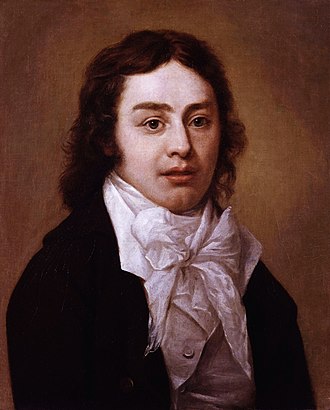 Samuel Taylor Coleridge
"The Good consists in the congruity of a thing with the laws of the reason and the nature of the will, and in its fitness to determine the latter to actualize the former: and it is always discursive. The Beautiful arises from the perceived harmony of an object, whether sight or sound, with the inborn and constitutive rules of the judgment and imagination: and it is always intuitive."
Samuel Taylor Coleridge"I believe that the unity of man as opposed to other living things derives from the fact that man is the conscious life of himself. Man is conscious of himself, of his future, which is death, of his smallness, of his impotence; he is aware of others as others; man is in nature, subject to its laws even if he transcends it with his thought."
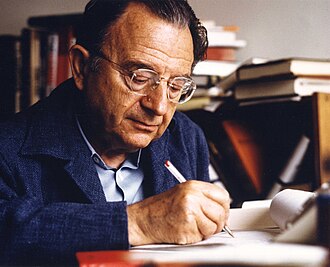 Erich Fromm
"Who made you glorious as the gates of heaven Beneath the keen full moon? Who bade the sun Clothe you with rainbows? Who, with living flower Of loveliest blue, spread garlands at your feet? God! let the torrents, like a shout of nations, Answer! and let the ice-plains echo, God! God! sing, ye meadow-streams, with gladsome voice! Ye pine-groves, with your soft and soul-like sounds! And they too have a voice, yon piles of snow, And in their perilous fall shall thunder, God!"
Samuel Taylor Coleridge"All Nature seems at work. Slugs leave their lair — The bees are stirring — birds are on the wing — And Winter slumbering in the open air, Wears on his smiling face a dream of Spring! And I the while, the sole unbusy thing, Nor honey make, nor pair, nor build, nor sing."
Samuel Taylor Coleridge"Taste is the intermediate faculty which connects the active with the passive powers of our nature, the intellect with the senses; and its appointed function is to elevate the images of the latter, while it realizes the ideas of the former."
Samuel Taylor Coleridge