Quote
"The proles were immortal, you could not doubt it when you looked at that valiant figure in the yard."
N
Nineteen Eighty-Four"Orwells 1984 explained that "the special function of certain Newspeak words … was not so much to express meanings as to destroy them." During the week after U.S. missiles hit sites in Sudan and Afghanistan, some Americans seemed uncomfortable. A vocal minority even voiced opposition. But approval was routine among those who had learned a few easy Orwellian lessons... At all times, Americans must be kept fully informed about who to hate and fear... When terrorists attack, theyre terrorizing. When we attack, were retaliating. When they respond to our retaliation with further attacks, theyre terrorizing again... No matter how many times theyve lied in the past, U.S. officials are credible in the present. When they... [say] the bombed pharmaceutical factory in Khartoum was making ingredients for nerve gas, that should be good enough for us.... Might doesnt make right — except in the real world, when its American might. Only someone of dubious political orientation would split hairs about international law."
Nineteen Eighty-Four is a dystopian speculative fiction novel by the English writer George Orwell. It was published on 8 June 1949 by Secker & Warburg as Orwell's ninth and final completed book. Thematically, it centres on totalitarianism, mass surveillance and repressive regimentation of people and behaviours. Nineteen Eighty-Four has been often regarded as a classic and has been acknowledged for
"The proles were immortal, you could not doubt it when you looked at that valiant figure in the yard."
"The earth is as old as we are, no older. How could it be older? Nothing exists except through human consciousness."
"The command of the old despotisms was Thou Shalt Not. The command of the totalitarians was Thou Shalt. Our command is Thou Art. No one whom we bring to this place ever stands out against us. Everyone is washed clean."
"Sanity was statistical. It was merely a question of learning to think as they thought."
"Three novels effectively tell the story of Burmas recent history. The link begins with Burmese Days, which chronicles the countrys history under British colonialism. Not long after Burma became independent from Britain in 1948, a military dictator sealed off the country from the outside world, launched The Burmese Way to Socialism, and turned Burma into one of the poorest countries in Asia. The same story is told in Animal Farm. Finally in Nineteen Eighty-Four Orwells description of a horrifying and soulless dystopia paints a chillingly accurate picture of Burma today, a country ruled by one of the worlds most brutal and tenacious dictatorships. In Burma there is a joke that Orwell wrote not just one novel about the country, but three: a trilogy comprised of Burmese Days, Animal Farm and Nineteen Eighty-Four."
"The immediate advantages of falsifying the past were obvious, but the ultimate motive was mysterious."
"In the life of the mass-order, the culture of the generality tends to conform to the demands of the average human being. Spirituality decays through being diffused among the masses when knowledge is impoverished in every possible way by rationalisation until it becomes accessible to the crude understanding of all."
"Ive been taking a closer look at these graduates. They are actually taller, stronger, smarter than we were, smart enough maybe to take our mistakes as their messages, to make our weaknesses their lessons, and to make our example — good and not so good — part of their education."
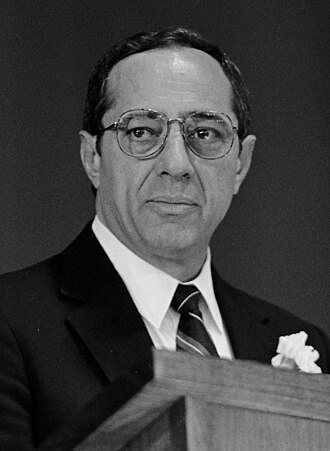 Mario Cuomo
"All men suppose what is called Wisdom to deal with the first causes and the principles of things; so that, as has been said before, the man of experience is thought to be wiser than the possessors of any sense-perception whatever, the artist wiser than the men of experience, the masterworker than the mechanic, and the theoretical kinds of knowledge to be more of the nature of Wisdom than the productive."
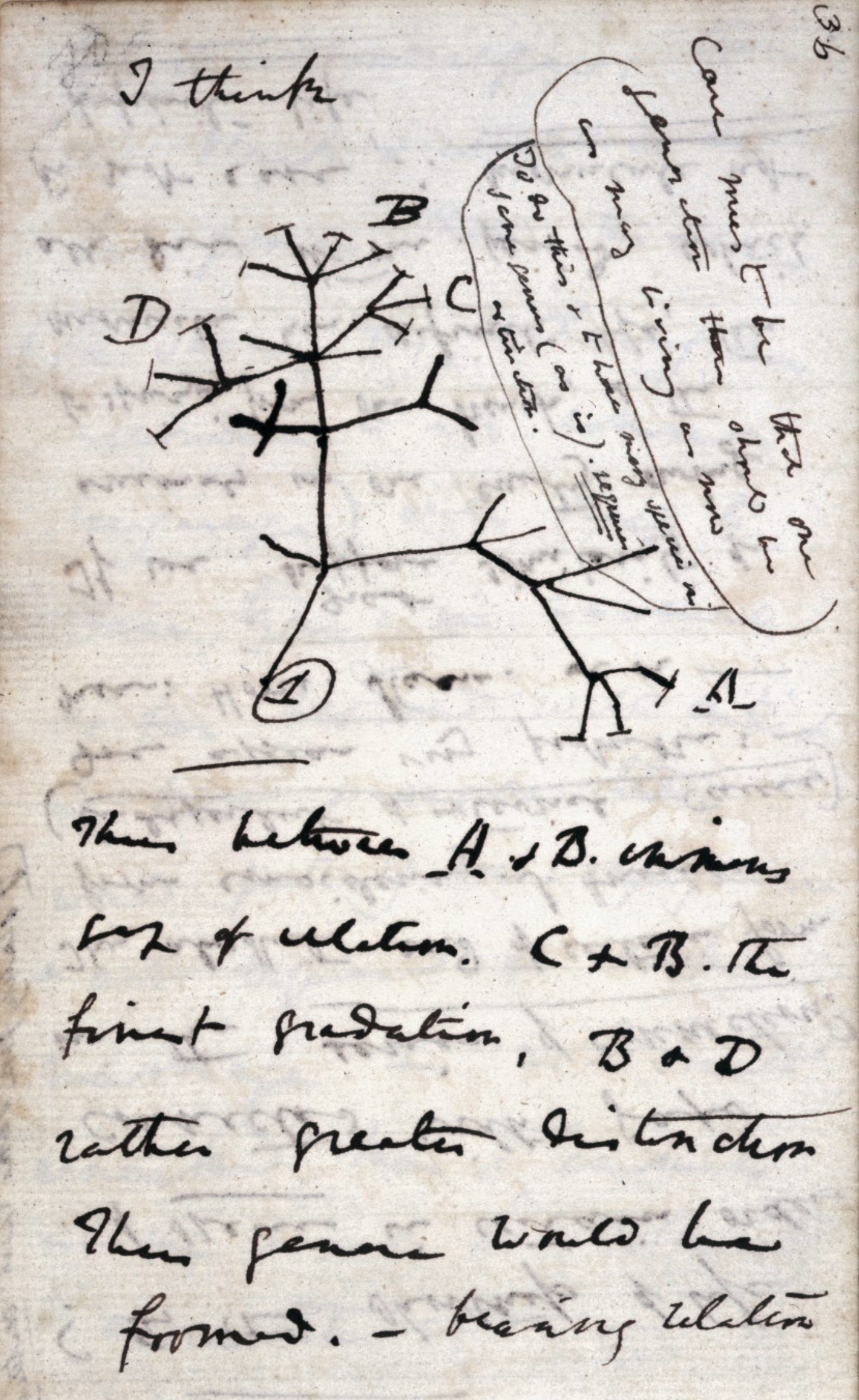 Theory
"How magnificent is the wisdom of the Lord! He is powerful and all-seeing. His eyes are on those who fear him. He knows all the works of man. He has commanded no one to be godless and has given no one permission to sin."
"First a name, just a persons name, youve heard it before. Sojourner Truth. That name is a language in itself. But Sojourner Truth spoke the unlearned language; about a hundred years ago, talking it in a public place, she said, "I have been forty years a slave and forty years free and would be here forty years more to have equal rights for all." Along at the end of her talk she said, "I wanted to tell you a mite about Womans Rights, and so I came out and said so. I am sittin among you to watch; and every one and awhile I will come out and tell you what time of night it is." She said, "Now I will do a little singing. I have not heard any singing since I came here."
"We do not see faith, hope, and charity as unattainable ideals, but we use them as stout supports of a nation fighting the fight for freedom in a modern civilization. Faith — in the soundness of democracy in the midst of dictatorships. Hope — renewed because we know so well the progress we have made. Charity — in the true spirit of that grand old word. For charity literally translated from the original means love, the love that understands, that does not merely share the wealth of the giver, but in true sympathy and wisdom helps men to help themselves."
 Franklin D. Roosevelt