Quote
"Aleera: Tsk, tsk, tsk. So much trouble to my Master. So much trouble."
V
Van Helsing"[Reads passage on a wall] Even a man who is pure in heart... and says his prayers by night... may become a wolf when the wolfbane blooms... and the autumn moon is bright. Or crave anothers blood when the sun goes down... and his body takes to flight."
Professor Abraham Van Helsing is a fictional character from the 1897 gothic horror novel Dracula written by Bram Stoker. Van Helsing is a Dutch polymath doctor with a wide range of interests and accomplishments, partly attested by the string of letters that follows his name: "MD, D.Ph., D.Litt., etc.", indicating a wealth of experience, education and expertise. He is a doctor, professor, lawyer, p
"Aleera: Tsk, tsk, tsk. So much trouble to my Master. So much trouble."
"Will Kemp as Velkan Valerious / The Wolf Man"
"I was so surprised Im doing any of this. Im not interested in vampires at all. (Laughs) When I first got sent the script for Underworld I didnt read it, but then I thought, hmm, vampires and werewolves... not really my kind of thing. And then when I got the script for this, again, I thought, "Oh, it all has to do with vampires and werewolves". But I thought my character was so different. First of all, Im not a vampire in this. (Laughs) Shes a gypsy and shes much more passionate. It just seemed like a very good role."
"[fighting Gabriel] Dont you understand?! We could be friends! Partners! Brothers-in-arms!"
"Mr. Hyde: [Van Helsing shoots him in the chest with a grappling hook, last words] My turn! [Pulls hard on the rope, forcing Van Helsing into the air]"
"[the first time he sees Dracula in the film] Now that I have your attention."
"Now Art, used collectively for painting, sculpture, architecture and music, is the mediatress between, and reconciler of, nature and man. It is, therefore, the power of humanizing nature, of infusing the thoughts and passions of man into everything which is the object of his contemplation."
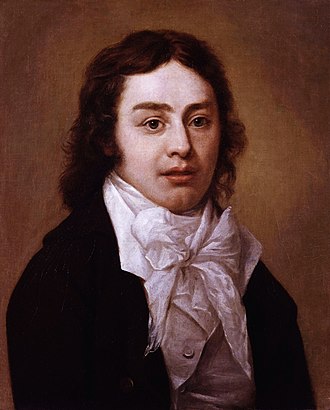 Samuel Taylor Coleridge
"The Good consists in the congruity of a thing with the laws of the reason and the nature of the will, and in its fitness to determine the latter to actualize the former: and it is always discursive. The Beautiful arises from the perceived harmony of an object, whether sight or sound, with the inborn and constitutive rules of the judgment and imagination: and it is always intuitive."
Samuel Taylor Coleridge"I believe that the unity of man as opposed to other living things derives from the fact that man is the conscious life of himself. Man is conscious of himself, of his future, which is death, of his smallness, of his impotence; he is aware of others as others; man is in nature, subject to its laws even if he transcends it with his thought."
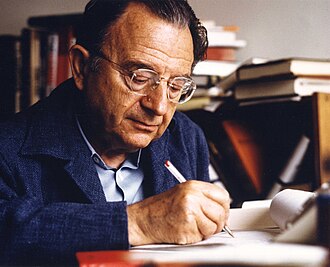 Erich Fromm
"Who made you glorious as the gates of heaven Beneath the keen full moon? Who bade the sun Clothe you with rainbows? Who, with living flower Of loveliest blue, spread garlands at your feet? God! let the torrents, like a shout of nations, Answer! and let the ice-plains echo, God! God! sing, ye meadow-streams, with gladsome voice! Ye pine-groves, with your soft and soul-like sounds! And they too have a voice, yon piles of snow, And in their perilous fall shall thunder, God!"
Samuel Taylor Coleridge"All Nature seems at work. Slugs leave their lair — The bees are stirring — birds are on the wing — And Winter slumbering in the open air, Wears on his smiling face a dream of Spring! And I the while, the sole unbusy thing, Nor honey make, nor pair, nor build, nor sing."
Samuel Taylor Coleridge"Taste is the intermediate faculty which connects the active with the passive powers of our nature, the intellect with the senses; and its appointed function is to elevate the images of the latter, while it realizes the ideas of the former."
Samuel Taylor Coleridge