Quote
"Our feminist culture at the present moment is completely dependent on capitalism. My grandmother was still scrubbing clothes on the back porch on a washboard!"
C
Camille Paglia"Sex cannot be understood because nature cannot be understood. Science is a method of logical analysis of nature’s operations. It has lessened human anxiety about the cosmos by demonstrating the materiality of nature’s forces, and their frequent predictability. But science is always playing catch-up ball. Nature breaks its own rules whenever it wants. Science cannot avert a single thunderbolt. Western science is a product of the Apollonian mind: its hope is that by naming and classification, by the cold light of intellect, archaic night can be pushed back and defeated."
Camille Anna Paglia is an American academic, social critic and feminist. Paglia was a professor at the University of the Arts in Philadelphia, Pennsylvania from 1984 until the university's closure in 2024. She is critical of many aspects of modern culture and is the author of Sexual Personae: Art and Decadence from Nefertiti to Emily Dickinson (1990) and other books. She is also a critic of contem
"Our feminist culture at the present moment is completely dependent on capitalism. My grandmother was still scrubbing clothes on the back porch on a washboard!"
"I’m saying that men go from control by their mothers to control by their wives, and this is the horror of men’s lives. And feminism refuses to see this."
"Liberal Democrats are going to wake up from their sadomasochistic, anti-Palin orgy with a very big hangover. The evil genie released during this sorry episode will not so easily go back into its bottle. A shocking level of irrational emotionalism and at times infantile rage was exposed at the heart of current Democratic ideology — contradicting Democratic core principles of compassion, tolerance and independent thought. One would have to look back to the Eisenhower 1950s for parallels to this grotesque lock-step parade of bourgeois provincialism, shallow groupthink and blind prejudice."
"The only problem I have with computers and television is that when all cultures on earth reach the stage we are at it will lead to a kind of homogenization."
"We have allowed the sexual debate to be defined by women, and thats not right. Men must speak, and speak in their own voices, not voices coerced by feminist moralists."
"I am reverential to great stars. I dont want sexual congress with them. The writer in me reveres the artist in them."
"I appeal to all pupils, students and young people, asking you to focus on the horizons that are opening up for you, and which you could only dream of a year ago. Our future will depend on your desire for education and moral values as well as on your entrepreneurial spirit."
"We have created a wealthy society with tens of millions of talented, resourceful individuals who play virtually no role whatsoever as citizens. Bringing these people in — with their networks of influence, their knowledge, and their resources — is the key to creating the capacity for shared intelligence that we need to solve our problems."
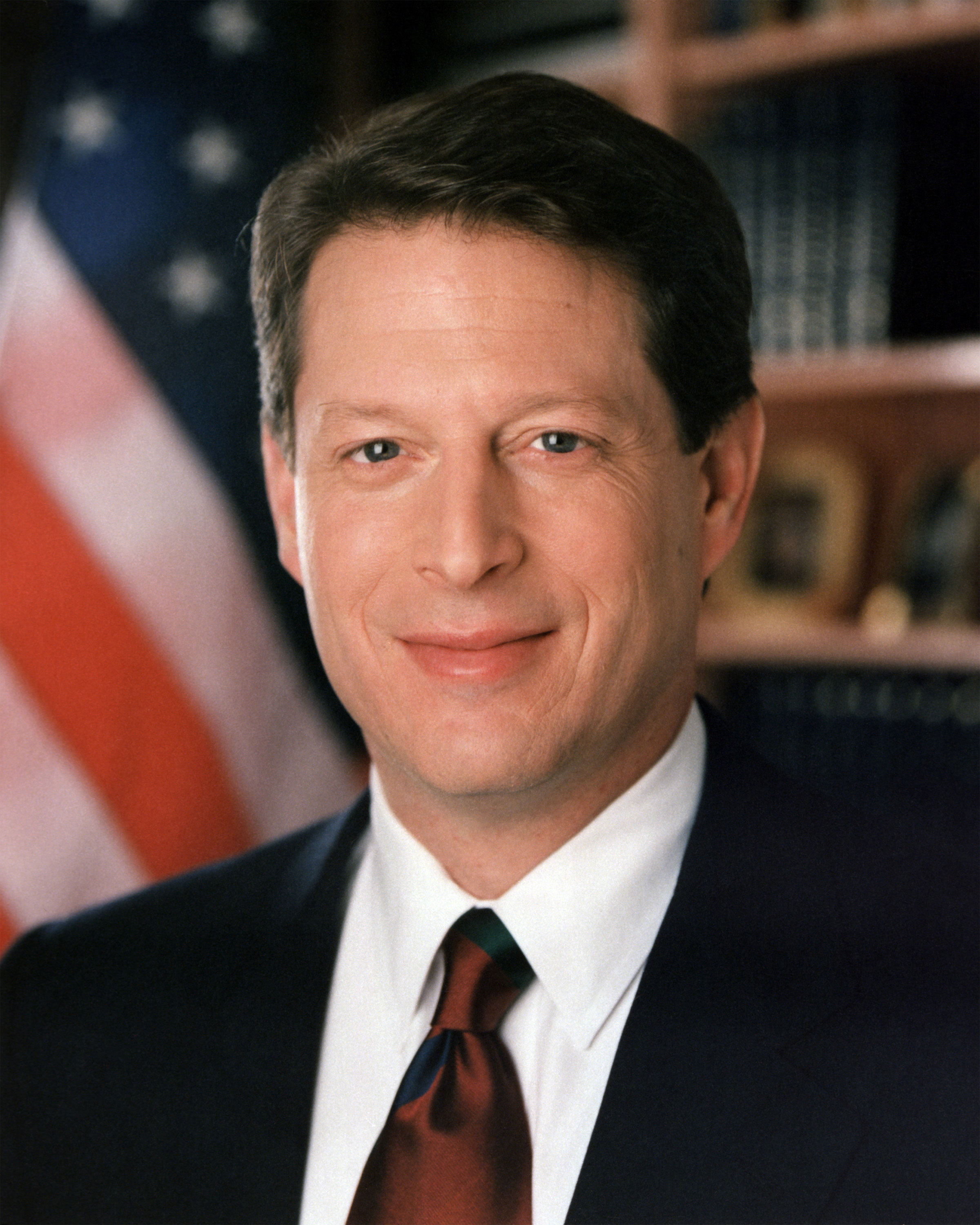 Al Gore
"We are shocked when we see educators, timid before criticism and confused about first principles, betray their trust. And we wonder what can be that philosophy of education which believes that young people can be trained to the duties of citizenship by wrapping their minds in cotton wool."
"An [hypertext] encyclopaedia will be an overall attempt by the knowledgeable, the learned societies or anyone else, to represent the state-of-the-art in their field. An encyclopaedia will be a living document, as up to date as it can be, instantly accessible at any time. It will contain carefully authored explanations and summaries of the subject, as well as computer-generated indexes of literature. A reference to a paper from the encyclopaedia conveys authority and acceptance by academic society. A measure of a paper’s standing may be conveyed by the number of links it is away from an encyclopaedia."
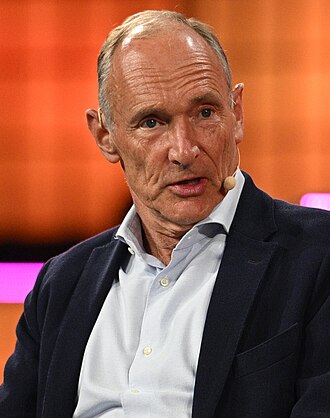 Tim Berners-Lee
"A sample of the modern debate, which neatly summarizes the anti-reductionist position is provided by Grene (1974). She points out that in principle a one-level ontology—the belief, for example, that with increasing knowledge all science will become an account of the world in the language of, say, atomic events—contradicts itself. This is so because such a belief, to be meaningful, requires an ontology which admits both atomic events and cognition. Here at once a second level is smuggled in! It is logically possible... that there might be no levels in between those of atomic events and cognition (that in essence is Descartess position) but the sciences of chemistry and biology consist of some well-tested conjectures that there are such intermediate levels as are represented by molecules, cells, organelles, organs, and organisms."
"All competent thinkers agree with Bacon that there can be no real knowledge except that which rests upon observed facts. This fundamental maxim is evidently indisputable if it is applied, as it ought to be, to the mature state of our intelligence. But, if we consider the origin of our knowledge, it is no less certain that the primitive human mind could not, and indeed ought not to, have thought in that way. For if, on the one hand, every Positive theory must necessarily be founded upon observations, it is, on the other hand, no less true that, in order to observe, our mind has need of some theory or other. If in contemplating phenomena we did not immediately connect them with principles, not only would it be impossible for us to combine these isolated observations, and therefore to derive profit from them, but we should even be entirely incapable of remembering facts, which would for the most remain unnoted by us. Thus there were two difficulties be overcome: the human mind had to observe in order to form real theories, and yet had to form theories of some sort before it could apply itself to a connected series of observations. The primitive human mind, therefore, found itself involved in a vicious circle, from which it would never have had any means of escaping, if a natural way of the difficulty had not fortunately found by the spontaneous development of Theological conceptions. ...chimerical hopes ..exaggerated ideas of mans importance in the universe to which the Theological Philosophy ...at the commencement, ...afforded an indispensable stimulus without the aid which we cannot, indeed, conceive how the primitive human mind would have been induced to undertake any arduous labours."
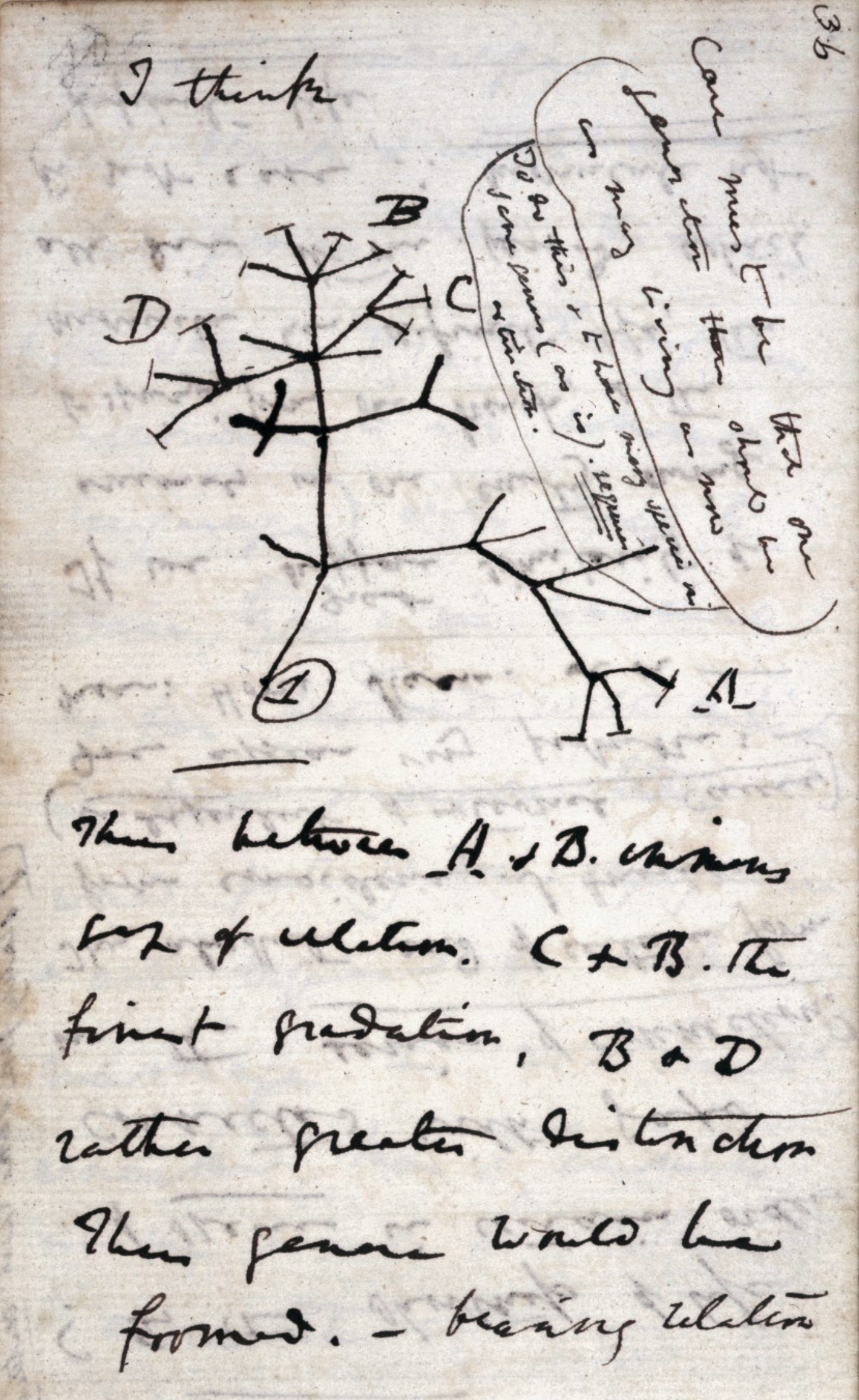 Theory