Quote
"Without your love Its a honky-tonk parade Without your love Its a melody played in a penny arcade. Its a Barnum and Bailey world Just as phony as it can be But it wouldnt be make-believe If you believed in me."
Y
Yip Harburg"Some day Ill wish upon a star And wake up where the clouds are far behind me Where troubles melt like lemondrops Away above the chimney tops, Thats where youll find me. Somewhere over the rainbow Bluebirds fly. Birds fly over the rainbow, Why then, oh why cant I?"
Edgar Yipsel "Yip" Harburg was an American popular song lyricist and librettist who worked with many well-known composers. He wrote the lyrics to the standards "Brother, Can You Spare a Dime?", "April in Paris", and "It's Only a Paper Moon", as well as all of the songs for the film The Wizard of Oz, including "Over the Rainbow". Harburg was known for the social commentary of his lyrics, as well as
"Without your love Its a honky-tonk parade Without your love Its a melody played in a penny arcade. Its a Barnum and Bailey world Just as phony as it can be But it wouldnt be make-believe If you believed in me."
"Say, its only a paper moon Sailing over a cardboard sea But it wouldnt be make-believe If you believed in me."
"So I ask each weepin willow And each brook along the way, And each lad that comes a-whistlin Tooralay How are things in Glocca Morra This fine day?"
"I never knew the charm of spring Never met it face to face I never knew my heart could sing Never missed a warm embrace Til April in Paris. Whom can I run to? What have you done to My heart?"
"Once I built a tower up to the sun Brick and rivet and lime Once I built a tower, now its done Brother, Can You Spare a Dime?"
"To let a fool kiss you is stupid, To let a kiss fool you is worse."
"Now Art, used collectively for painting, sculpture, architecture and music, is the mediatress between, and reconciler of, nature and man. It is, therefore, the power of humanizing nature, of infusing the thoughts and passions of man into everything which is the object of his contemplation."
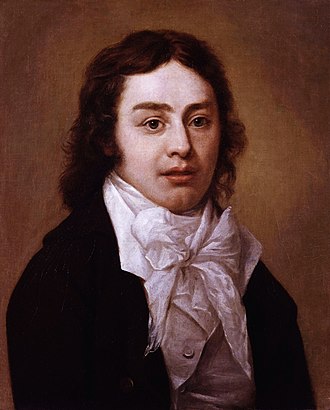 Samuel Taylor Coleridge
"The Good consists in the congruity of a thing with the laws of the reason and the nature of the will, and in its fitness to determine the latter to actualize the former: and it is always discursive. The Beautiful arises from the perceived harmony of an object, whether sight or sound, with the inborn and constitutive rules of the judgment and imagination: and it is always intuitive."
Samuel Taylor Coleridge"I believe that the unity of man as opposed to other living things derives from the fact that man is the conscious life of himself. Man is conscious of himself, of his future, which is death, of his smallness, of his impotence; he is aware of others as others; man is in nature, subject to its laws even if he transcends it with his thought."
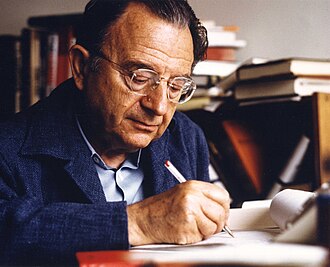 Erich Fromm
"Who made you glorious as the gates of heaven Beneath the keen full moon? Who bade the sun Clothe you with rainbows? Who, with living flower Of loveliest blue, spread garlands at your feet? God! let the torrents, like a shout of nations, Answer! and let the ice-plains echo, God! God! sing, ye meadow-streams, with gladsome voice! Ye pine-groves, with your soft and soul-like sounds! And they too have a voice, yon piles of snow, And in their perilous fall shall thunder, God!"
Samuel Taylor Coleridge"All Nature seems at work. Slugs leave their lair — The bees are stirring — birds are on the wing — And Winter slumbering in the open air, Wears on his smiling face a dream of Spring! And I the while, the sole unbusy thing, Nor honey make, nor pair, nor build, nor sing."
Samuel Taylor Coleridge"Taste is the intermediate faculty which connects the active with the passive powers of our nature, the intellect with the senses; and its appointed function is to elevate the images of the latter, while it realizes the ideas of the former."
Samuel Taylor Coleridge