Quote
"Come, let me know what it is that makes a Scotchman happy!"
S
Samuel Johnson"There is nothing which has yet been contrived by man, by which so much happiness is produced as by a good tavern or inn."
Samuel Johnson, often called Dr Johnson, was an English writer and polymath who made lasting contributions as a poet, playwright, essayist, moralist, literary critic, sermonist, biographer, editor, and lexicographer. The work for which he is best known is his 42,733-entry Dictionary of the English Language (1755). For this and other contributions in and to the English language, the Oxford Dictiona
"Come, let me know what it is that makes a Scotchman happy!"
"Ill come no more behind your scenes, [[w:David Garrick|David [Garrick]]]; for the silk stockings and white bosoms of your actresses excite my amorous propensities."
"A country governed by a despot is an inverted cone."
"Your manuscript is both good and original, but the part that is good is not original and the part that is original is not good."
"I hate mankind, for I think myself one of the best of them, and I know how bad I am."
"To a poet nothing can be useless."
"Ah well, towards happiness others will lead me With their tresses knotted to the horns of my brow: You know, my passion, that purple and just ripe, The pomegranates burst and murmur with bees; And our blood, aflame for her who will take it, Flows for all the eternal swarm of desire."
"In the life of each of us, I said to myself, there is a place remote and islanded, and given to endless regret or secret happiness."
"True love is timid, as it knew its worth, And that such happiness is scarce for earth."
"People ... become so preoccupied with the means by which an end is achieved, as eventually to mistake it for the end. Just as money, which is a means of satisfying wants, comes to be regarded by a miser as the sole thing to be worked for, leaving the wants unsatisfied; so the conduct men have found preferable because most conducive to happiness, has come to be thought of as intrinsically preferable: not only to be made a proximate end (which it should be), but to be made an ultimate end, to the exclusion of the true ultimate end."
"Meanwhile the mind from pleasure less Withdraws into its happiness; The mind, that ocean where each kind Does straight its own resemblance find; Yet it creates, transcending these, Far other worlds, and other seas; Annihilating all thats made To a green thought in a green shade."
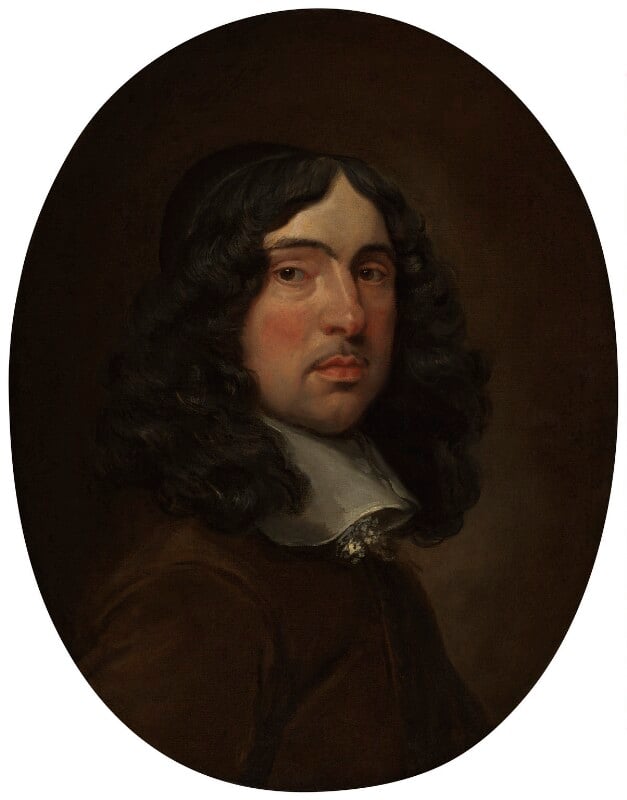 Andrew Marvell
"Also, for more understanding, this blessed word was said: Lo, how I loved thee! Behold and see that I loved thee so much ere I died for thee that I would die for thee; and now I have died for thee and suffered willingly that which I may. And now is all my bitter pain and all my hard travail turned to endless joy and bliss to me and to thee. How should it now be that thou shouldst anything pray that pleaseth me but that I should full gladly grant it thee? For my pleasing is thy holiness and thine endless joy and bliss with me. This is the understanding, simply as I can say it, of this blessed word: Lo, how I loved thee. This shewed our good Lord for to make us glad and merry."