Quote
"And oft-times cometh our wise Lord God, master of every trade, And tells them tales of His daily toil, of Edens newly made; And they rise to their feet as He passes by, gentlemen unafraid."
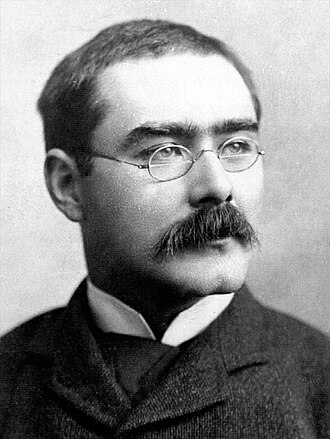 Rudyard Kipling
"Though our smoke may hide the Heavens from your eyes, It will vanish and the stars will shine again, Because, for all our power and weight and size, We are nothing more than children of your brain!"
Joseph Rudyard Kipling was an English journalist, novelist, poet and short-story writer. He was born in British India, which inspired much of his work.
"And oft-times cometh our wise Lord God, master of every trade, And tells them tales of His daily toil, of Edens newly made; And they rise to their feet as He passes by, gentlemen unafraid."
Rudyard Kipling"This man in his own country prayed we know not to what powers. We pray them to reward him for his bravery in ours."
Rudyard Kipling"Es a sort of a bloomin cosmopolouse—soldier an sailor too."
Rudyard Kipling"When first under fire an youre wishful to duck, Dont look nor take eed at the man that is struck, Be thankful youre livin, and trust to your luck And march to your front like a soldier. Front, front, front like a soldier..."
Rudyard Kipling"Two things greater than all things are, The first is Love, and the second War."
Rudyard Kipling"We pulled for you when the wind was against us and the sails were low. Will you never let us go?"
Rudyard Kipling"Now Art, used collectively for painting, sculpture, architecture and music, is the mediatress between, and reconciler of, nature and man. It is, therefore, the power of humanizing nature, of infusing the thoughts and passions of man into everything which is the object of his contemplation."
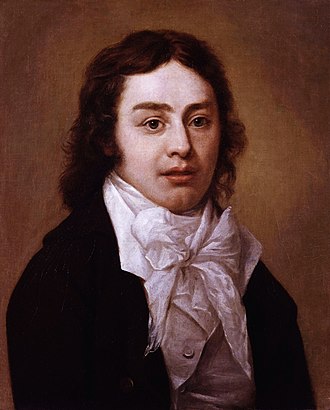 Samuel Taylor Coleridge
"The Good consists in the congruity of a thing with the laws of the reason and the nature of the will, and in its fitness to determine the latter to actualize the former: and it is always discursive. The Beautiful arises from the perceived harmony of an object, whether sight or sound, with the inborn and constitutive rules of the judgment and imagination: and it is always intuitive."
Samuel Taylor Coleridge"I believe that the unity of man as opposed to other living things derives from the fact that man is the conscious life of himself. Man is conscious of himself, of his future, which is death, of his smallness, of his impotence; he is aware of others as others; man is in nature, subject to its laws even if he transcends it with his thought."
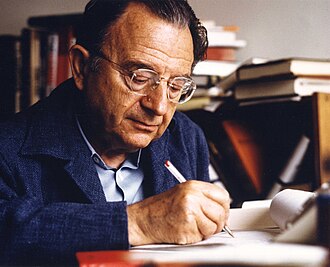 Erich Fromm
"Who made you glorious as the gates of heaven Beneath the keen full moon? Who bade the sun Clothe you with rainbows? Who, with living flower Of loveliest blue, spread garlands at your feet? God! let the torrents, like a shout of nations, Answer! and let the ice-plains echo, God! God! sing, ye meadow-streams, with gladsome voice! Ye pine-groves, with your soft and soul-like sounds! And they too have a voice, yon piles of snow, And in their perilous fall shall thunder, God!"
Samuel Taylor Coleridge"All Nature seems at work. Slugs leave their lair — The bees are stirring — birds are on the wing — And Winter slumbering in the open air, Wears on his smiling face a dream of Spring! And I the while, the sole unbusy thing, Nor honey make, nor pair, nor build, nor sing."
Samuel Taylor Coleridge"Taste is the intermediate faculty which connects the active with the passive powers of our nature, the intellect with the senses; and its appointed function is to elevate the images of the latter, while it realizes the ideas of the former."
Samuel Taylor Coleridge