Quote
"Last night I saw the grass Slowly divide (it was the same scene But now it glowed a fierce and mortal green) And saw the dog emerging."
R
Richard Wilbur"Try to remember this: what you project Is what you will perceive; what you perceive With any passion, be it love or terror, May take on whims and powers of its own. Therefore a numb and grudging circumspection Will serve you best — unless you overdo it, Watching your step too narrowly, refusing To specify a world, shrinking your purview To a tight vision of your inching shoes, Which may, as soon as you come to think, be crossing An unseen gorge upon a rotten trestle."
Richard Purdy Wilbur was an American poet and literary translator, and one of the foremost poets of the World War II generation. Wilbur's work, often employing rhyme, and composed primarily in traditional forms, was marked by its wit, charm, and gentlemanly elegance. He was acclaimed in his youth as the heir to Robert Frost, translated the verse dramas of Moliere, Corneille, and Racine into rhymed
"Last night I saw the grass Slowly divide (it was the same scene But now it glowed a fierce and mortal green) And saw the dog emerging."
"It is true that the poet does not directly address his neighbors; but he does address a great congress of persons who dwell at the back of his mind, a congress of all those who have taught him and whom he has admired; that constitute his ideal audience and his better self. To this congress the poet speaks not of peculiar and personal things, but of what in himself is most common, most anonymous, most fundamental, most true of all men. And he speaks not in private grunts and mutterings but in the public language of the dictionary, of literary tradition, and of the street. Writing poetry is talking to oneself; yet it is a mode of talking to oneself in which the self disappears; and the products something that, though it may not be for everybody, is about everybody."
"In each art the difficulty of the form is a substitution for the difficulty of direct apprehension and expression of the object. The first difficulty may be more or less overcome, but the second is insuperable; thus every poem begins, or ought to, by a disorderly retreat to defensible positions. Or, rather, by a perception of the hopelessness of direct combat, and a resort to the warfare of spells, effigies, and prophecies. The relation between the artist and reality is an oblique one, and indeed there is no good art which is not consciously oblique. If you respect the reality of the world, you know that you can approach that reality only by indirect means."
"The soul shrinks From all that it is about to remember, From the punctual rape of every blessed day, And cries, "Oh, let there be nothing on earth but laundry, Nothing but rosy hands in the rising steam And clear dances done in the sight of heaven."
"Wisely watch for the sight Of the supernova burgeoning over the barn, Lampshine blurred in the steam of beasts, the spirits right Oasis, light incarnate."
"I started in to cry and call his name, Asking forgiveness of his tongueless head. ... I dreamt the past was never past redeeming: But whether this was false or honest dreaming I beg deaths pardon now. And mourn the dead."
"The wound is the place where the Light enters you."
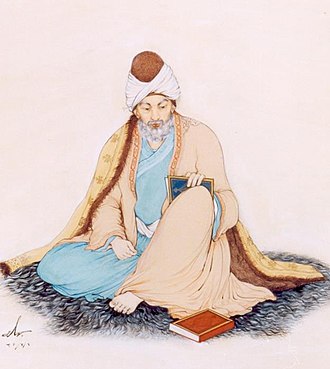 Rumi
Rumi"yes is a pleasant country... love is a deeper season than reason"
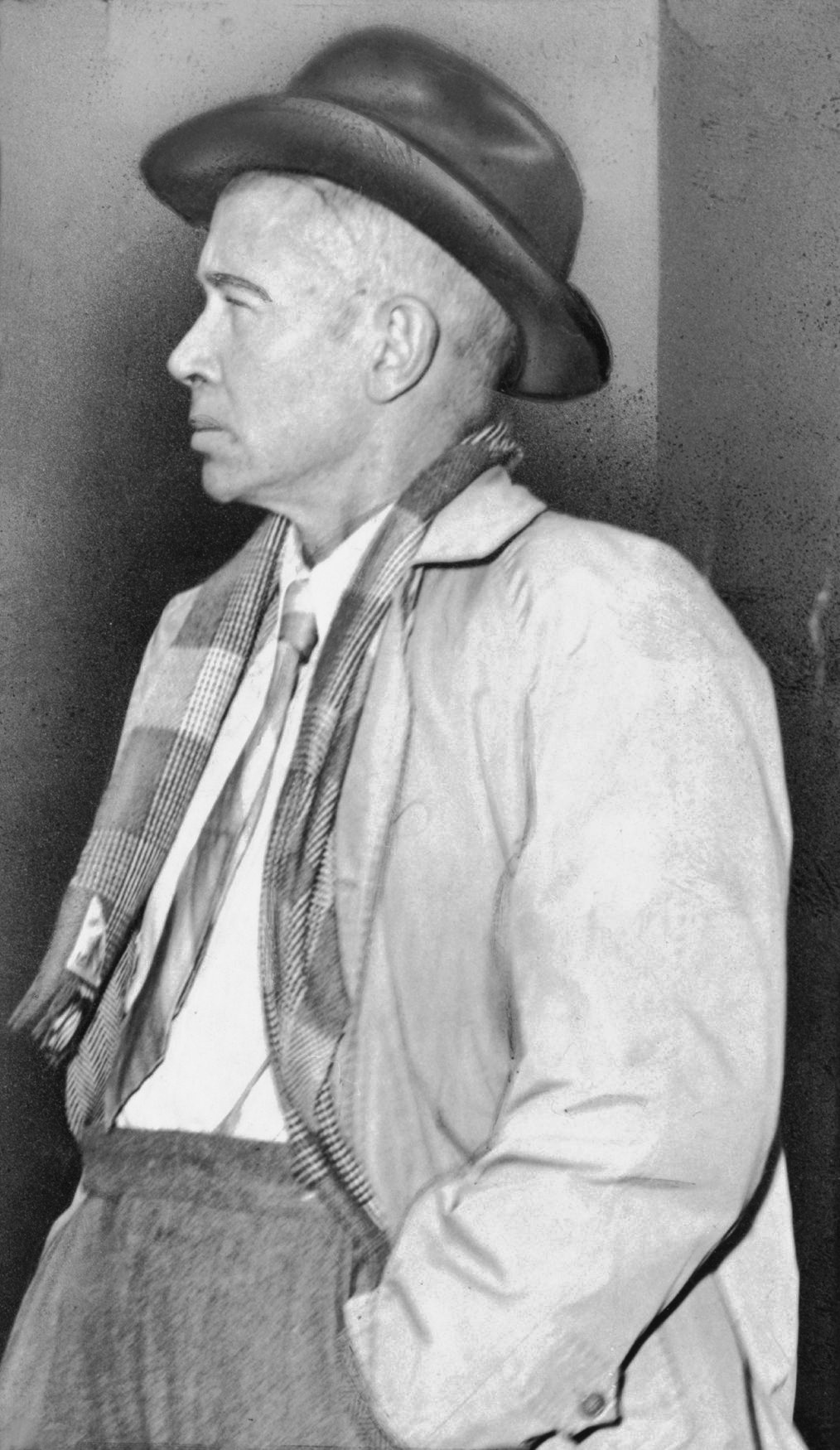 E. E. Cummings
"true lovers in each happening of their hearts live longer than all which and every who"
E. E. Cummings"What concerns me fundamentaly is a meteoric burlesk melodrama, born of the immemorial adage love will find a way."
E. E. Cummings"Who made you glorious as the gates of heaven Beneath the keen full moon? Who bade the sun Clothe you with rainbows? Who, with living flower Of loveliest blue, spread garlands at your feet? God! let the torrents, like a shout of nations, Answer! and let the ice-plains echo, God! God! sing, ye meadow-streams, with gladsome voice! Ye pine-groves, with your soft and soul-like sounds! And they too have a voice, yon piles of snow, And in their perilous fall shall thunder, God!"
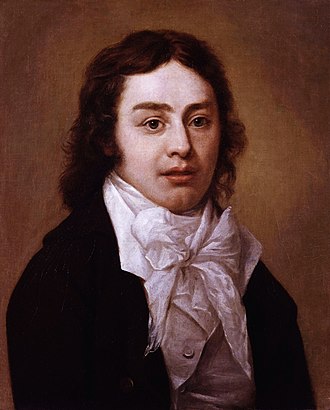 Samuel Taylor Coleridge
"Unchanged within, to see all changed without, Is a blank lot and hard to bear, no doubt. Yet why at others Wanings shouldst thou fret? Then only mightst thou feel a just regret, Hadst thou withheld thy love or hid thy light In selfish forethought of neglect and slight."
Samuel Taylor Coleridge