Quote
"When at first thought we think of a creator our ideas appear to us undefined and confused; but if we reason philosophically, those ideas can be easily arranged and simplified. It is a Being, whose power is equal to his will."
T
Thomas Paine"War involves in its progress such a train of unforeseen and unsupposed circumstances ... that no human wisdom can calculate the end."
Thomas Paine was an English-born American Founding Father, French Revolutionary, inventor, political philosopher, and statesman. His pamphlets Common Sense (1776) and The American Crisis (1776–1783) framed the Patriot argument for independence from Great Britain at the outset of the American Revolution. Paine advanced Enlightenment-era arguments for human rights that shaped revolutionary discourse
"When at first thought we think of a creator our ideas appear to us undefined and confused; but if we reason philosophically, those ideas can be easily arranged and simplified. It is a Being, whose power is equal to his will."
"One good schoolmaster is of more use than a hundred priests."
". That some desperate wretches should be willing to steal and enslave men by violence and murder for gain, is rather lamentable than strange. But that many civilized, nay, christianized people should approve, and be concerned in the savage practice, is surprising; and still persist, though it has been so often proved contrary to the light of nature, to every principle of Justice and Humanity, and even good policy, by a succession of eminent men, and several late publications."
"As these people are not convicted of forfeiting freedom, they have still a natural, perfect right to it; and the Governments whenever they come should, in justice set them free, and punish those who hold them in slavery."
"You know that the unanimity of the States finally depended on the vote of Joseph Hewes, and was finally determined by him. And yet history is to ascribe the American Revolution to Thomas Paine! Sat verbum sapienti ["a word to the wise is sufficient"]."
"A thing, moderately good, is not so good as it ought to be. Moderation in temper, is always a virtue; but moderation in principle, is a species of vice."
"In the life of the mass-order, the culture of the generality tends to conform to the demands of the average human being. Spirituality decays through being diffused among the masses when knowledge is impoverished in every possible way by rationalisation until it becomes accessible to the crude understanding of all."
"Ive been taking a closer look at these graduates. They are actually taller, stronger, smarter than we were, smart enough maybe to take our mistakes as their messages, to make our weaknesses their lessons, and to make our example — good and not so good — part of their education."
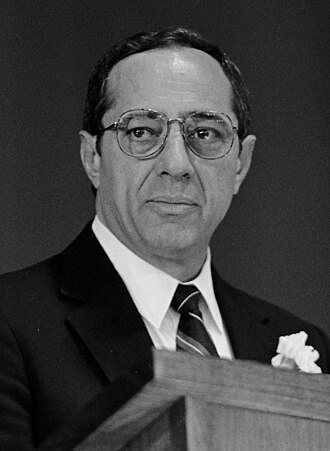 Mario Cuomo
"All men suppose what is called Wisdom to deal with the first causes and the principles of things; so that, as has been said before, the man of experience is thought to be wiser than the possessors of any sense-perception whatever, the artist wiser than the men of experience, the masterworker than the mechanic, and the theoretical kinds of knowledge to be more of the nature of Wisdom than the productive."
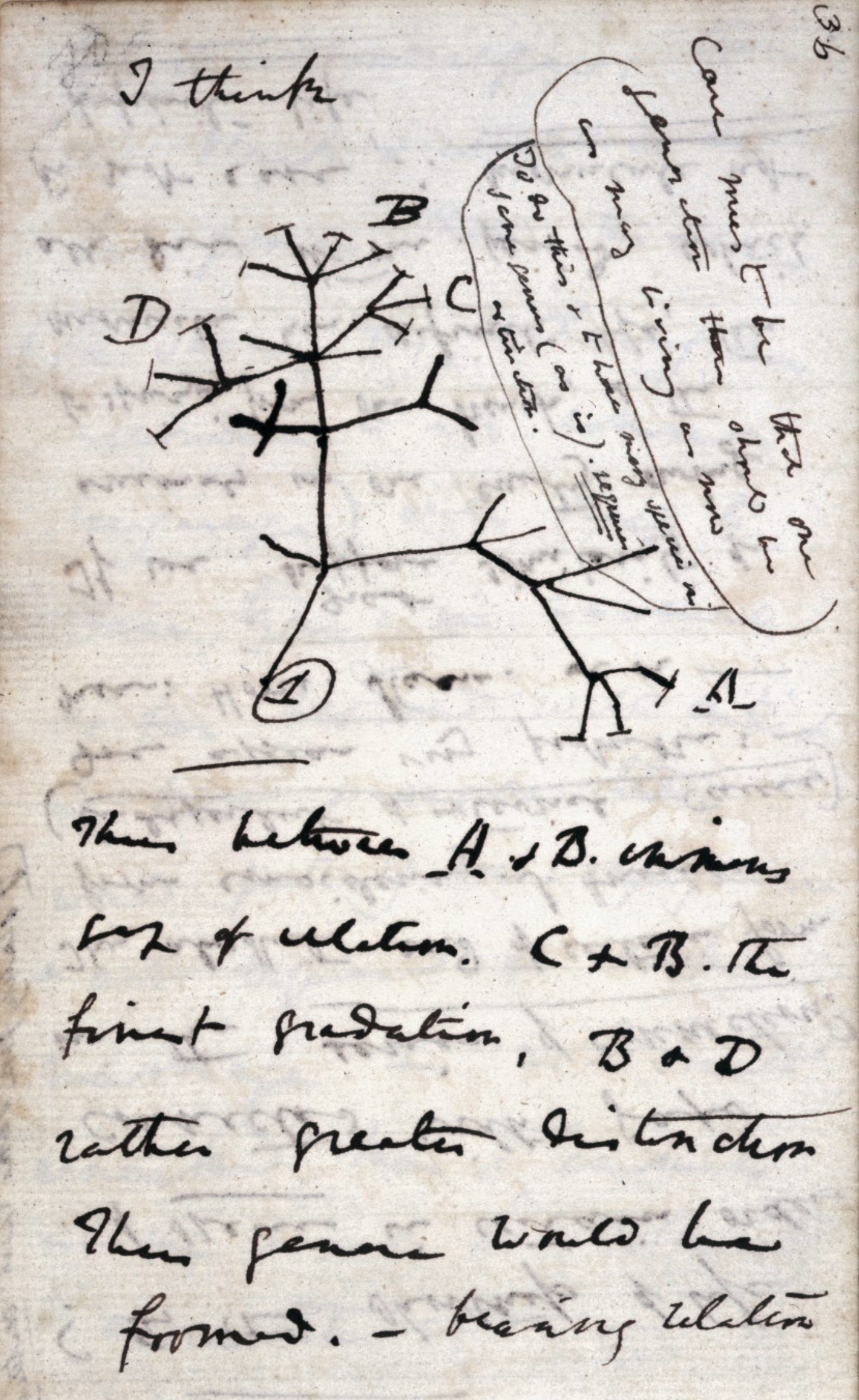 Theory
"How magnificent is the wisdom of the Lord! He is powerful and all-seeing. His eyes are on those who fear him. He knows all the works of man. He has commanded no one to be godless and has given no one permission to sin."
"First a name, just a persons name, youve heard it before. Sojourner Truth. That name is a language in itself. But Sojourner Truth spoke the unlearned language; about a hundred years ago, talking it in a public place, she said, "I have been forty years a slave and forty years free and would be here forty years more to have equal rights for all." Along at the end of her talk she said, "I wanted to tell you a mite about Womans Rights, and so I came out and said so. I am sittin among you to watch; and every one and awhile I will come out and tell you what time of night it is." She said, "Now I will do a little singing. I have not heard any singing since I came here."
"We do not see faith, hope, and charity as unattainable ideals, but we use them as stout supports of a nation fighting the fight for freedom in a modern civilization. Faith — in the soundness of democracy in the midst of dictatorships. Hope — renewed because we know so well the progress we have made. Charity — in the true spirit of that grand old word. For charity literally translated from the original means love, the love that understands, that does not merely share the wealth of the giver, but in true sympathy and wisdom helps men to help themselves."
 Franklin D. Roosevelt